
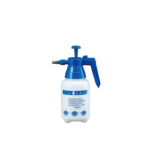

Not every task in gardening can be handled by a single product, which is why a variety of garden tools are commonly used in daily care. Watering, planting, trimming, and soil preparation all require different approaches and different handling styles. Watering cans are often used for flowers, seedlings, and container plants, while hand trowels help with planting and transplanting. Pruning shears are commonly used for managing stems and branches, and rakes or cultivators are used for soil and debris work. Over time, many gardeners find that the most frequently used garden tools are not necessarily the most advanced ones, but those that feel comfortable and fit into their routine.
Garden size also plays an important role in tool selection. In smaller spaces, lightweight garden tools are often easier to handle and store, especially when working with potted plants or compact flower beds. In larger gardens, tools that cover more area efficiently become more practical. Regular maintenance in bigger spaces can highlight the difference between carrying small tools repeatedly and using equipment designed for wider coverage.
Material choice becomes more noticeable after repeated use outdoors. Metal garden tools are often preferred for digging and soil work because they can handle pressure from compact ground. Plastic components are lighter and commonly used in watering equipment. Many products combine materials to balance durability and weight. Exposure to sun, moisture, and seasonal temperature changes also affects long-term performance, making comfort and handling feel more important than appearance over time.
Comfort is often underestimated at the beginning but becomes more relevant with regular use. Gardening tasks are repeated frequently, and even simple actions like watering or trimming can become tiring if the tool design is not suitable. The grip, weight balance, and handle shape of garden tools can influence how long a task can be comfortably performed. For this reason, many users prefer testing tools before making a choice whenever possible.
Watering tools and hand tools also serve different roles in gardening routines. Watering cans and hose accessories focus on plant hydration, while hand tools are used for planting, pruning, and soil maintenance. Most gardens use a combination of both, and as planting areas expand, additional garden tools are often added based on practical needs rather than a fixed plan.
A simple way to narrow down choices is to consider garden size, plant types, usage frequency, storage space, and seasonal needs. These factors often provide clearer guidance than product descriptions alone. As gardening habits develop over time, the selection of garden tools usually evolves naturally based on experience and daily working conditions.