

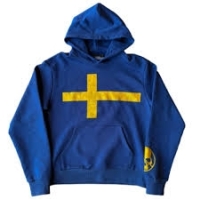
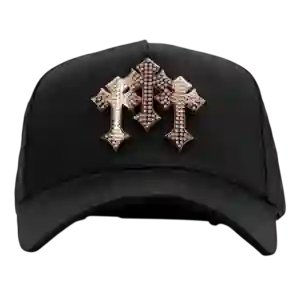

A well-planned wardrobe makes everyday dressing easier while giving you room to express your personality. Streetwear is particularly suitable for this approach because casual essentials, relaxed silhouettes, and creative layering can produce many different outfits. Whether you prefer graphic shirts, comfortable hoodies, or statement jackets, Vivet offers streetwear categories that can inspire new combinations and help you explore your preferred style.
The secret to a practical wardrobe is choosing clothing that works together. Instead of buying individual pieces without a plan, focus on versatility, comfort, and the ways each garment can contribute to different outfits.
1. Start by Reviewing Your Existing Clothing
Before shopping for new streetwear, take some time to understand what you already own. You may have more useful combinations available than you realize.
Separate your clothing into basic categories, such as tops, pants, outerwear, footwear, and accessories. Identify the pieces you wear frequently and consider why they work well for you.
Perhaps you prefer neutral colors, relaxed fits, or shirts that are easy to layer. These observations can help you recognize your personal preferences.
Next, look for gaps in your wardrobe. If you already own several graphic T-shirts but have few suitable jackets, adding another shirt may not provide much value. A complementary outer layer might create more outfit possibilities.
This simple review gives you a clearer starting point and helps prevent unnecessary purchases.
2. Build Around Five Everyday Clothing Categories
A functional streetwear wardrobe can be organized around a few essential categories.
T-shirts and long-sleeve tops
These pieces provide a foundation for casual outfits. Plain shirts are easy to combine with different colors, while graphic designs can introduce personality.
Long-sleeve tops also work well beneath jackets and hoodies, making them useful for layering.
Hoodies and sweatshirts
Hoodies can be worn with jeans, relaxed trousers, or sweatpants. Choosing colors that complement your existing clothing makes them easier to reuse.
Jackets
A jacket can change the appearance of a basic outfit and provide an additional layer when needed. Consider the weather and your daily routine when deciding which style would be most useful.
Pants
Different pants create different silhouettes. Denim offers one familiar option, while sweatpants and track pants provide alternatives for relaxed or sport-inspired looks.
Footwear and accessories
Footwear helps complete an outfit, while accessories such as backpacks can provide practical benefits. Choose options that complement your clothing and suit your everyday activities.
Organizing your wardrobe this way makes it easier to identify useful purchases and plan complete outfits.
3. Create a Simple Outfit Formula
Having a few reliable outfit formulas can reduce the time you spend deciding what to wear.
An outfit formula is a combination of clothing categories that you can adapt with different colors and designs.
For example, one formula might be a graphic shirt, relaxed trousers, and casual footwear. Another might combine a hoodie, straight-leg pants, and a jacket.
You can create several variations by changing just one component.
-
Replace a plain shirt with a graphic design.
-
Switch denim for sweatpants.
-
Add a jacket when additional coverage is needed.
-
Change the color of your top while keeping the rest of the outfit consistent.
These small adjustments help you create variety without making your wardrobe more complicated.
The best formulas are those that suit your lifestyle and remain comfortable throughout the day.
4. Choose Colors That Make Shopping Easier
A consistent color palette helps individual pieces work together. You do not need every garment to match perfectly, but having a few familiar shades can simplify outfit planning.
Neutral colors such as black, white, gray, and navy can provide a flexible base. You can then introduce brighter colors through a graphic shirt, jacket, or accessory.
For instance, dark trousers can work with a white T-shirt, a gray hoodie, or a colorful outer layer. The same pair of pants can therefore support several different looks.
Another option is to experiment with different shades of one color. This can create a coordinated appearance without requiring identical garments.
When considering a new purchase, think about the colors you already wear most often. An item that complements several existing pieces is generally easier to incorporate into your wardrobe.
5. Pay Attention to Fit and Proportions
The way clothing fits affects both comfort and appearance. Streetwear often features relaxed silhouettes, but different combinations can create very different results.
A loose hoodie with straight-leg trousers creates a relaxed outfit. Wider pants paired with a more fitted top provide contrast. A longer shirt beneath a shorter jacket introduces another visual effect.
There is no universal rule for choosing proportions. Your preferences, comfort, and intended look should guide your decisions.
When shopping online, check the available measurements and compare them with clothing you already own. Do not rely exclusively on labels such as small, medium, or large, because sizing can vary between garments.
Consider layering as well. If you plan to wear a hoodie beneath a jacket, make sure the combination allows enough room for comfortable movement.
6. Plan Your Wardrobe Around Your Routine
Your daily activities should influence the clothing you choose. A wardrobe designed around your actual routine is more useful than one built entirely around occasional trends.
If you spend much of your time running errands or meeting friends, comfortable everyday combinations may be your priority. If you travel frequently, lightweight layers and clothing that allows easy movement may be more practical.
Weather is another important consideration. Hoodies and jackets can be useful in cooler conditions, while lighter tops may be more comfortable when temperatures rise.
Think about where you will wear each item before purchasing it. Clothing that fits your routine is more likely to become part of your regular rotation.
This approach also helps you decide whether a particular piece is worth buying or whether something you already own serves the same purpose.
7. Shop With a Budget and a Purpose
A planned wardrobe does not require spending heavily on every category. The important thing is to understand what you need and how much you can comfortably spend.
Before purchasing a garment, consider its versatility, fit, and expected frequency of use. A piece that works with several outfits may be more practical than one that matches only a single combination.
You can also compare the expected cost per wear. Divide the purchase price by the number of times you realistically expect to wear the item. This provides a simple way to think about its potential value, although it does not establish its quality or durability.
When browsing an online store, review product descriptions, sizing information, available colors, and return policies. Check any disclosed details about materials and care requirements before ordering.
Taking a little time to compare options can help you avoid impulse purchases and make decisions that suit your budget.
8. Maintain Your Clothes and Keep Them Organized
Once you have built a useful collection of streetwear, maintaining it becomes part of the process.
Follow the care instructions provided with each garment. Washing methods and storage requirements can differ depending on the material, construction, and decorative details.
Keep your clothing organized so that you can easily see the options available. Grouping tops, pants, and outerwear together makes outfit planning more convenient.
You should also review your wardrobe occasionally. Notice which pieces you wear most often and which remain unused. This can reveal your preferred fits, colors, and clothing categories.
Use that information when shopping in the future. You may discover that you need fewer new items than you initially expected.
9. Leave Room for Personal Expression
Planning your wardrobe should make dressing easier, not eliminate creativity. Once you have established a useful foundation, experiment with new combinations and incorporate pieces that reflect your interests.
You might enjoy graphic designs, coordinated sets, relaxed silhouettes, or understated outfits with distinctive accessories. These preferences can change over time, and your wardrobe can evolve with them.
Exploring streetwear collections such as Vivet can provide ideas for combining different garment categories. You can adapt those ideas to your own preferences rather than copying complete outfits.
The aim is to create a wardrobe that supports your everyday life while giving you enough flexibility to try new styles.
Conclusion
A practical streetwear wardrobe starts with understanding what you own, identifying what you need, and choosing clothing that works together. Versatile essentials, consistent colors, suitable proportions, and thoughtful shopping can make it easier to create different outfits without constantly buying new pieces.
By planning around your routine and taking care of your clothing, you can build a collection that remains useful and adaptable. Streetwear becomes much more enjoyable when your wardrobe combines comfort, creativity, and your own sense of style.