
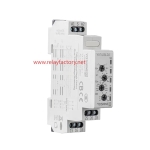

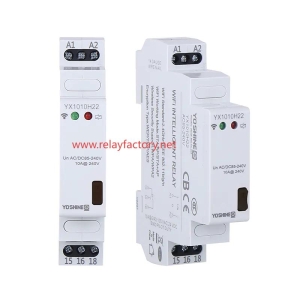




Custom Time Relay projects require buyers to explain the intended application, control sequence, electrical conditions, and installation environment before requesting a quotation. A well-organized specification gives the manufacturing team a clear starting point for evaluating feasibility, discussing available configurations, and preparing a production plan. It also helps purchasing teams compare proposals according to practical project requirements instead of relying on price alone.
Explain the Application and Operating Sequence
Begin by describing the equipment in which the component will operate. Explain what starts the process, how long the system should wait before responding, what happens after the delay, and whether the sequence repeats automatically. A written description or simple diagram can help communicate these requirements.
Different applications may require different operating behaviors. Lighting equipment, pumps, industrial machinery, heating systems, and automated production equipment can have distinct control sequences. Buyers should identify the intended use and explain how the component interacts with other electrical devices.
If the project involves replacing an existing unit, provide its model reference, wiring diagram, photographs, and available technical documents. These details can help engineers review the existing arrangement and identify potential compatibility issues before making recommendations.
Confirm Electrical and Timing Parameters
Electrical specifications should be clearly defined in the enquiry. Include the supply voltage, AC or DC input, expected current, load type, and required contact arrangement. If the connected equipment creates a substantial startup current or has particular switching requirements, explain these conditions before selecting a configuration.
The required timing range also needs careful consideration. State the minimum and maximum intervals, the adjustment method, and the acceptable timing variation. If operators must change settings during normal operation, describe how those adjustments will be made and how frequently they are expected.
Avoid descriptions such as suitable voltage or flexible settings without supporting figures. Specific values provide a more useful reference for technical evaluation and help both parties identify differences between the requested design and the proposed product.
Review Dimensions and Installation Conditions
Physical compatibility is another important part of the purchasing process. Buyers should provide the available installation space, permitted dimensions, mounting method, terminal positions, and wiring restrictions. For an established control cabinet, an accurate drawing can help the manufacturer understand the available space and connection layout.
Environmental information should also be included. Consider ambient temperature, moisture, dust, vibration, ventilation, and expected operating frequency. These conditions may influence housing materials, component arrangement, and inspection procedures.
If the equipment will be sold in multiple countries, identify the destination markets and applicable documentation requirements. Any requested certification or compliance evidence should be discussed for the specific configuration and intended application before production approval.
Establish Inspection and Sample Approval Criteria
Before manufacturing starts, buyers and suppliers should agree on how the product will be evaluated. Relevant checks may include dimensions, electrical connections, switching behavior, adjustment functions, appearance, and consistency with the approved specifications.
Whenever a particular performance limit matters, state the acceptance criteria in measurable terms. Buyers should also clarify whether a pre-production sample is required, who will approve it, and which inspection records must accompany the order.
Sample evaluation provides an opportunity to identify problems before a larger quantity is produced. Testing the sample under representative operating conditions can reveal installation conflicts or differences in expected behavior. Any agreed changes should be documented and approved before the final specification is released.
Organize Quantities, Packaging, and Delivery
Commercial information helps the manufacturer plan production alongside the technical requirements. Include the estimated order quantity, target delivery date, purchasing frequency, destination, and packaging preferences. If the project is expected to continue through repeat orders, explain the anticipated demand and any requirements for consistent product identification.
Packaging details should be confirmed early when the order involves labels, product codes, instruction sheets, carton markings, or special protection during transportation. Leaving these decisions until the end may introduce additional coordination and delay the completion of the order.
Buyers should also distinguish confirmed requirements from items that remain undecided. For example, a final drawing may still need approval, or an operating parameter may depend on equipment testing. Listing these open points helps both teams prioritize the questions that must be resolved before production.
Maintain Consistent Project Documentation
A purchasing project may involve engineering, procurement, quality control, and production personnel. Keeping everyone aligned requires one approved set of specifications, drawings, test criteria, and packaging instructions.
Assign a contact person to handle technical questions and record each approved revision. When a requirement changes, the updated document should be shared with the relevant teams so that quotations, samples, and production arrangements refer to the same information.For buyers preparing an industrial control project, clear documentation provides a practical foundation for technical discussions and order planning. Visit https://www.relayfactory.net/ to review available product information and submit your application details, drawings, estimated quantities, and delivery expectations for further discussion.