
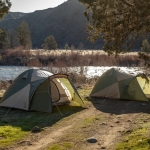


To choose a camping tent, start with how many people will sleep in it. Then match the tent to your camping style, the weather you expect, how much weight you can carry, and your budget. Pick a size with room to spare, look for solid weather protection, and choose a design you can set up without stress.
This guide walks you through each decision in plain language, so you can buy your first tent with confidence. You don't need previous camping experience, and you don't need the most expensive tent on the shelf.
What Should Beginners Look for in a Camping Tent?
A good first tent fits your group, your trips and your budget. Six factors matter most:
- Number of campers. Decide who sleeps in the tent, including kids and pets.
- Space. Think about sleeping room and where your bags, shoes and gear will go.
- Location and weather. A sunny campground in July needs a different tent than a windy coast in October.
- Ease of setup. A tent you can pitch in minutes is easier to enjoy, especially after a long drive.
- Weight and portability. Car campers can carry a heavier tent. Hikers can't.
- Budget and durability. A tent you use ten times costs less per trip than a cheap one you replace after two.
Quick checklist before you shop:
- How many people will sleep inside?
- Will I drive to the campsite or carry the tent?
- Which seasons and weather will I camp in?
- How long can I spend setting it up?
- What is my realistic budget?
Understand the Different Types of Camping Tents
Tents come in a few common shapes. Each one trades space, weight and weather performance differently. No single type is best for everyone, so choose based on how and where you plan to camp.
Dome Tents
Dome tents use crossing poles to make a rounded shape. The curved design sheds wind and rain well, packs down fairly small, and is usually simple to pitch. They suit general recreational camping and are a practical starting point for many beginners. If you want to see this style, take a look at the DOD Dome Tent.
Cabin Tents
Cabin tents have near-vertical walls, so you get more standing room and a roomier interior. That makes them comfortable for families and car camping. The trade-off is weight and packed size, and tall walls can catch more wind.
Tunnel Tents
Tunnel tents use a row of curved poles to create a long, tube-like shape with lots of interior space for their weight. They need careful pitching: point the low, narrow end into the wind and stake them well.
Lightweight Backpacking Tents
Backpacking tents focus on low weight and a small packed size. You give up some interior room and comfort in exchange for easier carrying. They make sense if you hike to your campsite, and they're usually unnecessary for car camping.
Family and Group Tents
Family and group tents sleep more people and often add storage space or separate rooms. They are comfortable but bigger, heavier and slower to set up. Check that your car can carry the packed tent and that your campsite has room to pitch it.
How to Choose the Right Camping Tent Size
A tent's advertised capacity is the most people who can lie down shoulder to shoulder with nothing else inside. A "4-person" tent usually feels comfortable for two or three people with their gear. When in doubt, size up.
|
Tent size |
Best for |
What to consider |
|---|---|---|
|
1-person |
Solo hikers, minimal gear |
Tight fit, little room for bags |
|
2-person |
Solo campers who want space, or couples packing light |
Fits two sleeping pads with little left over |
|
4-person |
Couples with gear, small families |
Comfortable for 2–3 people plus bags |
|
6-person and larger |
Families and groups |
More headroom and storage, but heavier and slower to pitch |
Before you buy, think about:
- Sleeping space versus storage space. Your bags, shoes and cooler need a place to go.
- Headroom and usable floor. Sloped walls reduce the space you can actually use.
- Sleeping pad size. Measure your pads, because wide pads take more floor space.
- Family needs. Kids need room to play during bad weather.
Real comfort depends on the tent's dimensions, your gear and personal preference, so check the floor measurements instead of relying on the capacity label.
Choose a Tent Based on Weather and Season
The weather you expect should shape your choice more than almost anything else.
- Three-season tents suit many spring, summer and fall trips. They balance ventilation, weight and rain protection.
- Four-season tents are built for more demanding conditions, such as wind and snow. They're often heavier and warmer, and they can feel stuffy in summer. How well they perform depends on their specifications, so a "four-season" label alone doesn't guarantee safety in every winter condition.
Whatever the season, look at these features:
- Rainfly coverage. A fly that reaches close to the ground keeps more rain out.
- Floor and seams. A sturdy floor and sealed seams help keep water out.
- Ventilation. Airflow reduces condensation, the moisture that builds up inside when you breathe overnight.
- Wind resistance. Stake the tent properly and use the guy lines, the extra ropes that steady it.
Before every trip, check the local forecast and think about how exposed your campsite is.
Compare Camping Tent Materials and Durability
The fabric and poles affect weight, durability and price.
- Polyester and nylon. These are the most common tent fabrics. They're light and pack small. Nylon is generally lighter, while polyester tends to handle sunlight better. Both rely on waterproof coatings, which can wear over time.
- Canvas and cotton blends. These are heavier and bulkier, but breathe well and feel sturdy. They suit car camping more than hiking. You can browse polycotton tents and tarps to see this style.
- Aluminum poles. They are strong and light, but usually cost more.
- Fiberglass poles. They are affordable and flexible, but can crack or splinter more easily.
Also check the waterproof coating and how the seams are finished. Fabric weight matters too: heavier fabric often lasts longer, but it adds weight and packs larger.
Consider Tent Setup, Ventilation, and Comfort
Small features make a big difference once you're at the campsite.
- Freestanding or non-freestanding. A freestanding tent holds its shape without stakes, which makes it easy to move and adjust. Non-freestanding tents need stakes to stand.
- Simple pole systems. Fewer poles and color-coded sleeves speed up setup. Quick-pitch designs, such as the One Touch Dome Tent, are made for fast pitching.
- Doors, windows and mesh panels. More airflow means less condensation and a cooler tent.
- Vestibules. This covered area outside the door keeps muddy boots and wet gear out of your sleeping space.
- Storage pockets. Pockets keep phones, lights and small items within reach.
- Packed size. Make sure the tent fits in your car or bag.
Practice pitching your tent at home before your first trip. You'll learn the steps in daylight, and you can spot missing parts before you leave. Many brands publish tent instruction manuals you can review before you go.
Set a Camping Tent Budget
Set a budget based on how often you'll camp and in what conditions, not on price alone.
- Entry-level tents work for occasional fair-weather camping. They're affordable but may use thinner fabric and simpler construction.
- Mid-range tents suit regular recreational use, with better materials, ventilation and weather protection.
- Specialized tents are built for particular needs, such as harsh weather or ultralight travel.
Think about durability and repairability too. A tent with replaceable poles and available parts can last longer. Check what's included, because you may need to buy a footprint (a protective groundsheet), extra stakes or guy lines separately.
Compare specifications and intended use before you decide. The cheapest tent isn't always the best value, and the most expensive one may offer features you'll never use.
How to Choose a Camping Tent Step by Step
- Decide how many people will sleep in the tent.
- Choose the type of camping you plan to do.
- Check the typical weather and campsite conditions.
- Compare tent dimensions and usable interior space.
- Evaluate waterproofing, ventilation and materials.
- Check setup difficulty, packed size and weight.
- Set a realistic budget.
- Compare product specifications and user feedback.
- Practice pitching the tent before your trip.
Example: Say two adults plan weekend car-camping trips in spring and fall. They don't need an ultralight tent, because the car carries the weight. They should prioritize interior space for two people plus gear, good rain protection, plenty of ventilation and an easy setup. A three-season dome or cabin-style tent rated for three or four people would be a sensible place to start.
Common Camping Tent Buying Mistakes to Avoid
- Buying by capacity alone. Check the floor dimensions and size up for comfort.
- Ignoring local weather. Match the tent to the conditions where you'll actually camp.
- Assuming every tent handles heavy rain or snow. Read the specifications and the manufacturer's guidance.
- Overlooking ventilation. Poor airflow causes condensation. Look for windows, vents and mesh panels.
- Buying a tent that's too heavy. Compare weight to how you'll travel, especially if you'll carry it.
- Forgetting packed size. Confirm it fits in your car or bag.
- Not checking what's included. Stakes, guy lines and a groundsheet may be sold separately.
- Skipping a practice setup. Pitch it at home first so the first real attempt isn't at dusk.
How to Care for Your Camping Tent
Good care helps your tent last longer, though its lifespan depends on construction, how often you use it and the conditions it faces.
- Follow the manufacturer's cleaning instructions.
- Brush off dirt and debris after each trip.
- Dry the tent completely before storing it, including the floor and fly. Damp storage causes mildew.
- Check poles, zippers, seams and stakes for wear.
- Store it in a cool, dry place.
- Repair small problems, like a loose seam or a bent stake, before they grow.
Why Choose DOD Outdoors for Camping Gear?
DOD Outdoors makes camping gear inspired by Japanese outdoor design, with tents, tarps, furniture and accessories built around creative, easy-to-enjoy camping. When you compare options, look at each tent's layout and usable space, setup design, materials, capacity and storage, and check them against the product page's specifications.
The right tent depends on your group size, camping style and the weather you expect. Not every tent suits every beginner or every season. To compare options side by side, browse the camping tents and tarps collection, or look at a roomier layout like the Home Base Tent and check its dimensions against your group.
Conclusion: Choose a Tent That Fits Your Camping Style
The best first tent is the one that fits how you really camp. Focus on capacity, camping style, weather protection, setup, materials and budget, not appearance, capacity labels or price alone. Practice pitching it before your first trip, and take care of it afterward.
Ready to start? Browse DOD Outdoors' camping tents and outdoor essentials to find a tent for your next trip.
Frequently Asked Questions
What is the best type of camping tent for beginners?
It depends on your camping style, group size, weather and setup preferences. A simple dome tent is often a practical choice for general recreational camping because it's stable, packs fairly small and is easy to pitch.
What size camping tent should I buy?
Consider the number of campers, your sleeping pad dimensions, gear storage and how much room you want. Don't rely on the capacity label alone. A tent rated for four people often feels comfortable for two or three with gear.
Is a three-season tent suitable for beginners?
Often, yes. Three-season tents suit many spring, summer and fall trips. Whether one is right for you depends on your local weather and the tent's specifications, so check expected rain, wind and temperatures first.
How do I know if a camping tent is waterproof?
Check the rainfly coverage, floor construction and seam sealing, plus any waterproof rating the maker lists. Read the manufacturer's guidance too. Rating, design and correct pitching all matter, and coatings can wear with use.
What features should I look for in my first camping tent?
Look for the right capacity, manageable setup, good ventilation, solid weather protection, useful storage such as pockets or a vestibule, and a packed size that fits your car or bag.
How much should a beginner spend on a camping tent?
It depends on how often you camp, the weather you'll face, your group size and the features you need. Compare specifications and intended use instead of aiming for a fixed price.