
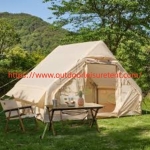




Choosing an inflatable shelter for a retail collection or commercial project involves decisions that extend well beyond appearance. An Inflatable Tent Supplier should be evaluated according to the product specifications, manufacturing arrangements, customization capabilities, and support available after delivery. For buyers developing an outdoor range, a structured review can help prevent costly misunderstandings and ensure that the selected design fits the intended use.
Begin with the purpose of the product. A tent intended for weekend camping has different requirements from one used at an exhibition, promotional event, or outdoor hospitality site. Campers may prioritize compact storage and convenient setup, while event organizers may need generous interior space, removable walls, and room for branded displays. Defining the application before requesting quotations makes it easier to compare suitable configurations instead of choosing from photographs alone.
The air frame deserves particular attention because it replaces the rigid poles found in conventional designs. Ask which material forms the inner air chambers, how the chambers connect, and how the outer sleeves protect them. Valve placement also matters. Valves should be accessible during inflation and deflation without creating unnecessary interference with entrances or other components. Buyers should request clear operating instructions and confirm the recommended inflation procedure for the selected model.
Air retention should be assessed through an agreed inspection process. Ask whether the inner chambers are checked before assembly and whether the finished structure receives a functional inflation test. The supplier should explain the observation period, inspection method, and criteria used to identify leakage. Temperature changes can influence internal air pressure, so results should be interpreted using the conditions and procedure documented for the test. A brief demonstration alone does not establish long term performance.
Fabric selection is equally important. The outer cover may use different textile constructions and coatings depending on the product application. Compare the specified material, fabric weight, surface finish, color options, and available test documentation. Examine the seams, corners, zipper areas, and attachment points on a complete sample. If the product will be advertised for particular weather conditions, request evidence supporting the relevant claims rather than relying on general descriptions.
Next, consider how the structure will be secured and maintained. Anchoring points, guy lines, stakes, and compatible accessories should match the intended installation environment. Ask which components are included and whether replacement valves, repair patches, or compatible spare parts can be supplied. For outdoor installations, follow the manufacturer's instructions and confirm any applicable wind or weather limitations. Inflatable construction does not remove the need for suitable anchoring and safe operating practices.
Customization can make a product more suitable for a specific customer group. Businesses may request printed logos, coordinated colors, alternative dimensions, removable walls, or customized carrying bags. Each adjustment should be documented before production. Buyers should approve artwork, confirm component placement, and check a representative sample where appropriate. Mansen provides a starting point for businesses evaluating outdoor product options and planning customized collections for retail or commercial applications.
Commercial terms should be reviewed alongside technical specifications. Ask for a quotation that clearly identifies the model, materials, dimensions, accessories, packaging, minimum order quantity, and any additional customization charges. Confirm the sample fee, payment schedule, production lead time, and shipping terms. When comparing offers from different factories, use the same specification for each quotation. Otherwise, an apparently lower price may simply reflect a different configuration or fewer included components.
Production control is another useful point of discussion. Ask how incoming materials are checked, how approved specifications are communicated to the production team, and how finished products are inspected before packing. Buyers should also establish what happens when a sample or production unit fails to meet an agreed requirement. Written records, inspection photographs, and a clear corrective action process can help both parties resolve discrepancies without unnecessary delays.
Finally, consider the product after it reaches its destination. Packaging should protect the components during transportation and make the contents easy to identify. Setup instructions should be understandable, accessories should be counted, and repair guidance should be available when relevant. Retailers may also need product images, specifications, and packaging information for their sales channels. Addressing these practical details early helps purchasing teams prepare for receiving, storing, and distributing the goods.
Selecting a manufacturing partner becomes easier when decisions are based on verifiable specifications, sample evaluation, transparent pricing, and clear communication. Businesses planning a new camping or event collection can review Mansen product options and compare their dimensions, construction, and customization possibilities with their project requirements. Visit https://www.outdoorleisuretent.com/ to view the available range and identify products that may suit your intended market, branding plans, and purchasing schedule.