
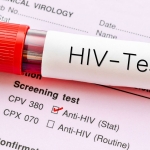
Early HIV detection plays an important role in protecting your health and accessing treatment as soon as possible. If you have recently had a possible exposure to human immunodeficiency virus (HIV), you may wonder whether a blood test can identify the infection before symptoms develop.
The answer is yes. Certain HIV Blood Test in Dubai can detect infection during its early stages, sometimes before the body produces detectable levels of antibodies. However, no HIV test can reliably detect infection immediately after exposure, and the time required for detection depends on the testing method.
Understanding how early HIV testing works can help you choose the appropriate test, interpret a negative result, and determine whether follow-up testing is necessary.
How Early Can an HIV Blood Test Detect Infection?
HIV blood tests look for different biological markers associated with infection. Some detect antibodies produced by the immune system, others detect the p24 antigen, and some identify the virus's genetic material directly.
According to the U.S. Centers for Disease Control and Prevention (CDC), the typical detection windows for people not taking antiretroviral medication are:
| HIV test type | Typical detection window after exposure |
|---|---|
| Nucleic acid test (NAT) | 10–33 days |
| Laboratory fourth-generation antigen/antibody test using blood from a vein | 18–45 days |
| Rapid antigen/antibody test using finger-stick blood | 18–90 days |
| Antibody-only test | 23–90 days |
These ranges indicate when a test can usually detect HIV, not an exact guarantee for every person. Some infections become detectable earlier than others.
The important distinction is that a test may be capable of detecting early HIV infection without being able to rule it out immediately after exposure. If an early test is negative, the appropriate follow-up date depends on the test used and your individual circumstances.
What Happens in the Body During Early HIV Infection?
After HIV enters the body, the virus begins multiplying. During this early period, the amount of virus in the blood may increase before the immune system produces detectable levels of antibodies.
The sequence of detectable markers helps explain why different HIV tests have different window periods.
The First Stage: Viral Genetic Material Becomes Detectable
HIV genetic material, usually RNA, may become detectable before other markers. A nucleic acid test can identify this material and may therefore detect infection earlier than antibody-based testing.
The Next Stage: HIV Antigen Appears
The p24 antigen is a protein associated with HIV. It can become detectable before an antibody-only test identifies infection.
Fourth-generation HIV antigen/antibody tests look for both the p24 antigen and HIV antibodies, allowing them to detect many infections earlier than tests that look for antibodies alone.
The Immune Response Develops
As the immune system responds to HIV, it produces antibodies against the virus. Antibody tests detect these proteins, but it can take several weeks for antibody levels to become detectable.
These stages overlap, and the timing varies between individuals. A healthcare professional can help determine which test is appropriate if recent infection is a concern.
Which HIV Blood Test Is Best for Early Detection?
The most suitable test depends on how recently exposure occurred, the reason for testing, and the available testing services.
Nucleic Acid Test: For Detecting HIV RNA
A nucleic acid test, sometimes called an HIV RNA test, detects genetic material from the virus rather than waiting for the immune system to produce antibodies.
It has a typical detection window of 10–33 days after exposure. Clinicians may consider this test when recent HIV infection is suspected or when other test results require further investigation.
However, NAT is not routinely necessary for everyone seeking HIV screening. It may be more expensive than other methods, and the result must be interpreted alongside clinical information and other tests when appropriate.
Fourth-Generation HIV Blood Test: A Common Early Screening Option
A fourth-generation HIV test detects both HIV antibodies and the p24 antigen. A laboratory-based version using blood collected from a vein typically detects HIV 18–45 days after exposure.
Because it checks for two types of markers, this test can identify many infections before an antibody-only test becomes reactive.
It is widely used for HIV screening in clinical settings. If you are concerned about a recent exposure, ask whether a laboratory-based fourth-generation test is appropriate for your situation.
Antibody-Only Tests: Useful but Often Require More Time
Antibody-only HIV tests are available through laboratories, rapid testing services, and some home testing products. They can be convenient, but their typical detection window is 23–90 days.
If you use a rapid test or home HIV test, check the manufacturer's instructions to confirm which markers it detects and when the result can be considered reliable.
Do not assume that every rapid test has the same detection window as a laboratory fourth-generation test.
Can an HIV Test Be Negative During Early Infection?
Yes. A negative HIV test during the window period does not necessarily rule out infection from a recent exposure.
The window period is the time between acquiring HIV and the point when a particular test can reliably detect it. During this period, the virus or its markers may not yet be present at detectable levels.
For example, someone who takes an antibody-only test two weeks after exposure may receive a negative result because their body has not yet produced enough detectable antibodies.
This does not automatically mean the test is faulty. It means the test may have been performed too early to provide a conclusive result.
If your result is negative but the relevant window period has not ended:
-
Confirm which HIV test was used.
-
Ask a healthcare professional when you should repeat it.
-
Tell the clinician about any subsequent exposure.
-
Mention any use of pre-exposure prophylaxis (PrEP) or post-exposure prophylaxis (PEP), as these medications can affect testing recommendations.
A negative test after the relevant window period is generally reliable for that exposure when the test has been used correctly and there have been no subsequent exposures. Individual circumstances may require a different follow-up plan.
Do Early HIV Symptoms Mean a Blood Test Will Be Positive?
Some people develop symptoms during acute HIV infection, usually within the first few weeks after infection. Possible symptoms include fever, sore throat, rash, swollen lymph nodes, muscle aches, and fatigue.
These symptoms can resemble those caused by common viral illnesses. Some people with early HIV infection have no noticeable symptoms at all.
For this reason, symptoms cannot reliably establish whether someone has HIV.
If you develop flu-like symptoms after a possible exposure, contact a healthcare professional and explain the timing of the exposure. The clinician may recommend HIV testing and, depending on the circumstances, additional testing for other conditions.
An early negative antibody test should not be used to dismiss a suspected recent infection when the window period has not ended.
What Should You Do After a Possible HIV Exposure?
The timing of your next step matters, particularly when exposure has occurred recently.
If exposure occurred within the past 72 hours: Seek urgent medical advice about post-exposure prophylaxis (PEP). PEP is medication used after a possible exposure to help prevent HIV infection. It should be started as soon as possible when indicated and is generally not recommended to be initiated after 72 hours. Do not wait for a test result before seeking urgent advice.
If exposure occurred more than 72 hours ago: A healthcare professional can help you select an appropriate HIV test based on the date of exposure. Early testing may be useful, but follow-up testing may still be necessary.
If you are taking PrEP or have recently taken PEP: Tell your clinician. These medications can affect the recommended testing approach, and you may need a specific schedule involving laboratory tests and follow-up appointments.
While awaiting follow-up, consider using condoms and avoiding the sharing of injection equipment. If you have ongoing potential exposure, ask about PrEP and other HIV prevention options.
What Happens If Early HIV Testing Is Positive or Inconclusive?
A reactive screening result does not always mean that HIV infection has been confirmed. Screening tests can occasionally produce false-positive results, so additional testing is used to establish a diagnosis.
Depending on the initial test and the applicable diagnostic guidelines, follow-up may include an HIV-1/HIV-2 antibody differentiation test or a nucleic acid test.
An inconclusive or indeterminate result means that the available findings are not sufficient to establish whether infection is present. A clinician may recommend repeat testing or further laboratory investigation.
If HIV infection is confirmed, treatment should be arranged promptly. Antiretroviral therapy (ART) suppresses HIV, protects the immune system, and helps people with HIV live long, healthy lives. When treatment achieves and maintains an undetectable viral load, HIV is not sexually transmitted; this is known as Undetectable = Untransmittable (U=U).
Early diagnosis can therefore benefit both personal health and prevention efforts.
Frequently Asked Questions About Early HIV Detection:
Can HIV be detected after seven days?
Most HIV tests cannot reliably detect infection just seven days after exposure. A nucleic acid test may detect HIV from around 10 days in some cases, but testing at seven days is generally too early to rule out infection.
Is a fourth-generation HIV test accurate after two weeks?
A fourth-generation laboratory test may detect some infections at two weeks, but its typical window period begins at 18 days. A negative result at 14 days does not conclusively rule out infection.
Can a routine blood test detect early HIV?
Not necessarily. A standard complete blood count or routine blood chemistry panel does not automatically test for HIV. An HIV-specific screening or diagnostic test is required.
When can I stop worrying after a negative HIV test?
The answer depends on the test type, the date of exposure, and whether PrEP or PEP was used. Ask a healthcare professional to confirm when the relevant window period has ended and whether repeat testing is needed.
Can early HIV infection be treated?
Yes. HIV treatment can be started following diagnosis, and early access to care supports immune health and long-term outcomes. If you think you may have been exposed, seek medical advice rather than waiting for symptoms.
Final Thoughts:
An HIV blood Lab tests can detect infection at an early stage, but the timing depends on the test. NAT can typically detect HIV within 10–33 days, a laboratory fourth-generation test within 18–45 days, and antibody-only tests within 23–90 days after exposure.
A negative result obtained too early may need to be repeated, while a reactive screening result requires the recommended confirmation process. If a possible exposure occurred within the past 72 hours, seek urgent advice about PEP.
For reliable guidance, tell your healthcare professional when the exposure occurred, which medications you have taken, and whether you have received previous HIV test results. Timely testing and appropriate follow-up are the best ways to understand your HIV status and access care when needed.