

Warts are common skin growths that can develop on different parts of the body, including the hands, feet, face, and other areas. They are usually caused by certain strains of the human papillomavirus (HPV), which affect the outer layer of the skin. Although many warts are harmless, they can become uncomfortable, spread to nearby areas, or cause cosmetic concerns. Understanding the available removal options can help individuals make informed decisions about their skin health.
Laser Warts Removal Treatment in Dubai is an option that dermatologists may consider for selected warts, particularly those that have not responded adequately to conventional treatments. This approach uses focused light energy to target wart tissue, with the specific technique depending on the wart's type, size, location, and depth. A professional assessment is essential because not every skin growth is a wart, and some conditions may require a different treatment approach.
Before choosing a treatment, patients should understand how laser procedures work, what happens during the appointment, and which factors influence recovery. Wart removal may involve several approaches, including topical medication, cryotherapy, minor surgical procedures, and laser-based techniques. The most suitable option depends on the individual's medical history, skin condition, and previous treatment outcomes.
Dubai offers a range of dermatology and aesthetic services for people seeking professional guidance about persistent skin concerns. When exploring available providers, patients should prioritize appropriate medical qualifications, hygiene standards, transparent communication, and individualized treatment planning rather than relying solely on promotional claims.
Understanding Laser Warts Removal Treatment
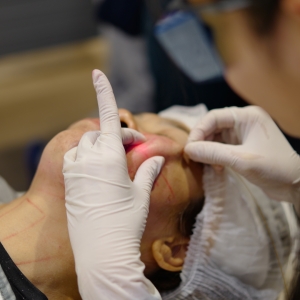
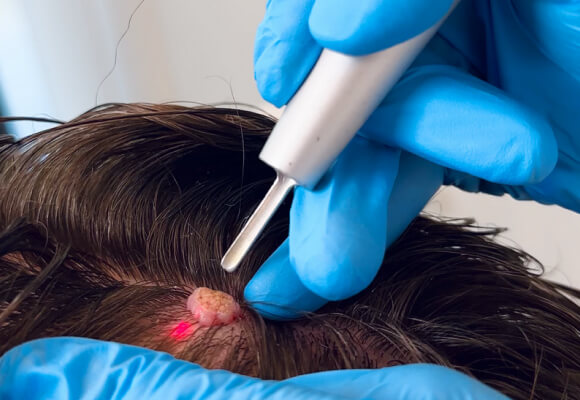
Laser wart removal uses concentrated light energy to destroy wart tissue or target the blood vessels that supply it, depending on the laser technology selected. Different laser systems work in different ways, and the treating practitioner determines the appropriate method after examining the affected area.
The procedure may be considered for certain stubborn warts, including lesions that have persisted despite other treatments. However, results vary, and some warts may require multiple sessions or additional treatment. Laser removal does not eliminate HPV from the body, so recurrence remains possible.
A consultation helps establish whether a suspected wart is suitable for laser treatment. The practitioner may also discuss alternative methods, possible discomfort, healing expectations, and the risk of temporary pigmentation changes or scarring.
Clinics to Explore for Wart Removal Guidance
Dynamic Life Clinic
Dynamic Life Clinic is one of the providers individuals may explore when researching dermatological and aesthetic services in Dubai. Patients considering wart removal should seek a consultation that focuses on identifying the skin growth, reviewing its characteristics, and determining whether a laser procedure is appropriate.
A detailed assessment is particularly important for warts located on sensitive areas, such as the face or around the nails. Patients should ask which technology is available, whether the treatment is performed by an appropriately qualified practitioner, and what alternatives might be suitable for their condition.
When discussing Laser Warts Removal Treatment, it is also helpful to understand the expected healing period and whether follow-up appointments may be necessary. These details support realistic expectations and help patients make informed decisions about their skin health.
Enfield Royal Clinic
Enfield Royal Clinic is another option for individuals researching aesthetic and skin-related services in Dubai. Patients interested in wart removal can inquire about the available assessment process and whether their particular skin concern is suitable for laser-based treatment.
A comprehensive consultation should distinguish between a typical wart and other growths that may resemble one. This distinction is important because moles, certain benign skin lesions, and other dermatological conditions can sometimes have a similar appearance but require different management approaches.
Individuals considering Laser Warts Removal Treatment should discuss the proposed technique, expected number of sessions, potential discomfort, and possible changes in skin pigmentation. They should also ask about infection prevention, wound care instructions, and the circumstances in which a follow-up assessment may be recommended.
Clear communication about benefits, limitations, and alternative treatments can help patients feel more confident about their decisions. Rather than expecting identical results for everyone, patients should receive guidance based on the location, thickness, and characteristics of the wart being assessed.
Tajmeels Clinic
Tajmeels Clinic may also be considered by individuals researching cosmetic and skin-related services in Dubai. When investigating wart removal, prospective patients should confirm which procedures are currently offered and whether the provider can arrange an appropriate medical assessment for the specific lesion.
An important part of the consultation is understanding why a particular treatment is being recommended. Some warts respond well to conventional approaches, while others may be persistent or located in areas where treatment requires additional care.
Patients should ask about the practitioner's qualifications, the equipment used, and the measures taken to minimize discomfort and protect surrounding skin. It is equally important to understand the possibility of recurrence and whether further treatment may be needed.
How to Choose the Right Clinic for Laser Warts Removal Treatment
Selecting a suitable provider involves more than comparing treatment descriptions. Patients should consider several practical and medical factors before proceeding.
Experience and Qualifications
Look for a qualified dermatologist or appropriately trained medical professional with experience evaluating and treating warts. The practitioner should be able to explain the diagnosis, describe the proposed procedure, and discuss other reasonable options.
If a lesion has an unusual appearance, changes rapidly, bleeds without an obvious cause, or fails to heal, a medical evaluation is particularly important before any cosmetic removal procedure is considered.
Technology and Techniques
Different laser systems target skin tissue in different ways. Some are designed to remove or vaporize tissue, while others target blood vessels associated with the wart.
Patients should ask which technology is being considered and why it is appropriate for their particular condition. The choice may depend on the wart's depth, location, size, and previous response to treatment.
Laser treatment is not automatically more effective than other methods in every situation. A practitioner should explain the reasoning behind the recommendation rather than presenting one technique as universally superior.
Safety Standards
Proper hygiene, appropriate protective equipment, and careful treatment planning are essential. Patients should receive clear information about possible complications, including redness, swelling, discomfort, infection, scarring, and temporary or persistent pigmentation changes.
Individuals with a history of abnormal scarring, impaired wound healing, or certain medical conditions should disclose this information during their consultation. Such details can influence treatment selection and recovery planning.
Consultation Process
A thorough consultation should include an examination of the affected area, a review of previous treatments, and a discussion of medical history. The practitioner should explain what the procedure involves and provide an opportunity to ask questions.
Patients should also understand whether local anesthesia may be used, how long the appointment is expected to take, and what to do if the treated area becomes increasingly painful or appears infected.
Patient Experience and Expected Results
A professional treatment experience includes realistic expectations, respectful communication, and appropriate follow-up guidance. Patients should be informed that some warts may need more than one session and that complete clearance cannot be guaranteed.
The location of the wart can influence recovery. For example, lesions on the soles of the feet may require particular attention because walking places pressure on the treated area.
It is also useful to ask how the treated skin should be protected while healing and when normal activities can be resumed. Clear instructions can help reduce avoidable irritation and support appropriate recovery.
Frequently Asked Questions
Is Laser Warts Removal Treatment suitable for every type of wart?
No. Suitability depends on the wart's type, size, depth, location, and previous treatment history. A dermatologist should assess the lesion and determine whether laser removal, medication, cryotherapy, or another approach is more appropriate.
Is laser wart removal painful?
The level of discomfort varies according to the treatment method and the location of the wart. Some patients experience a stinging or burning sensation during the procedure and tenderness afterward. Local anesthesia may be considered when appropriate.
How many sessions are needed to remove a wart?
The number of sessions depends on the wart's characteristics and its response to treatment. Some lesions may improve after one appointment, while persistent or deeper warts may require additional sessions. The treating practitioner can provide a more individualized estimate after examination.
Can warts return after laser removal?
Yes. Although treatment may remove the visible wart, it does not necessarily eliminate HPV from the surrounding skin or body. Recurrence is possible, and new warts may develop. Following medical advice and avoiding picking at affected areas can help reduce the risk of spreading the virus.
What should patients expect during recovery?
Temporary redness, swelling, tenderness, and the formation of a small crust may occur, depending on the procedure. Patients should follow the practitioner's wound care instructions, avoid picking at the treated area, and protect healing skin from unnecessary irritation.
Increasing pain, spreading redness, pus, fever, or other signs of infection should prompt medical attention. Recovery time varies according to the treatment technique and the location of the wart.
Conclusion
Warts can be persistent and sometimes uncomfortable, but several treatment options are available to address them. Understanding the cause of the growth, the available procedures, and the possible recovery process helps patients make informed decisions about their care.
Laser Warts Removal Treatment may be appropriate for selected stubborn warts, particularly when conventional methods have not provided satisfactory results. However, the best approach depends on an accurate diagnosis, individual skin characteristics, and professional medical advice. Patients should carefully evaluate a provider's qualifications, treatment options, safety practices, and follow-up arrangements before proceeding.
For individuals exploring wart removal services in Dubai, researching providers such as Dynamic Life Clinic, Tajmeels Clinic, and Enfield Royal Clinic can be a starting point for gathering information. A personalized consultation remains the most useful next step for determining whether laser treatment is appropriate and understanding the potential benefits, limitations, and recovery requirements.