
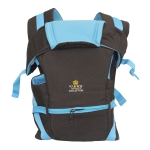

Carrying a baby close creates comfort, bonding, and convenience for both parents and children. In busy Kenyan households, many parents now prefer a best baby carrier because it makes daily routines easier while keeping babies secure and calm.
Whether walking through Nairobi streets, shopping, traveling, or handling chores at home, a good carrier allows parents to move freely while supporting healthy baby development. Choosing the right option can feel overwhelming because there are many styles, fabrics, and features available today.
Why Do Parents Prefer Baby Carriers?
A quality infant carrier helps distribute a baby’s weight evenly across the shoulders and back. This reduces strain and makes long hours of carrying more comfortable.
Many families also choose baby wearing products because babies tend to feel safer when held close to a parent’s body. Research published by pediatric experts shows that physical closeness can support emotional bonding and help soothe crying infants.
Parents in Kenya often appreciate carriers during:
- Shopping trips
- Public transport travel
- Outdoor walks
- Household activities
- Family gatherings
A practical hands-free baby carrier also gives caregivers flexibility without constantly using strollers.
What Makes a Baby Carrier Comfortable?
The most comfortable ergonomic baby carrier should support both the baby and the parent properly.
Key features to look for include:
- Adjustable shoulder straps
- Breathable fabric for warm weather
- Proper neck and hip support
- Strong waist belts
- Soft padding for longer use
Babies should sit in a natural “M-shaped” leg position to support healthy hip development. Lightweight materials are also helpful in Kenya’s warm climate, especially for parents moving around during the day.
Which Baby Carrier Is Best for Newborns?
Short answer: A soft and supportive newborn baby carrier with proper head support works best.
Newborns need extra neck protection during the first few months. Parents should choose carriers designed specifically for infants instead of general-purpose models.
Soft structured carriers and wraps are popular because they:
- Keep newborns close to the chest
- Improve comfort during feeding
- Reduce pressure on tiny hips
- Allow easy adjustment as the baby grows
For first-time parents, simple buckle systems can feel easier to manage compared to complicated wraps.
Are Baby Carriers Safe for Daily Use?
Yes, a properly fitted safe baby carrier is considered safe for everyday use.
Safety depends on positioning and proper adjustment. Pediatric specialists recommend keeping the baby high enough to kiss on the forehead easily. The face should remain visible at all times, and the chin should never press tightly against the chest.
Parents should also check:
- Stitching quality
- Buckle strength
- Weight limits
- Fabric durability
Cheap materials may wear out quickly, especially with daily use.
What Type of Baby Carrier Works Best in Kenya’s Climate?
Breathable fabrics are usually the best choice for local weather conditions.
Many parents now prefer lightweight baby carriers made with cotton mesh or soft airflow materials. These fabrics reduce overheating and improve comfort during warmer afternoons.
In cities like Nairobi and Mombasa, lightweight designs can make a noticeable difference during errands or travel.
Parents visiting supermarkets, markets, or public spaces may also prefer compact foldable designs because they are easier to carry and store.
How Can Parents Choose the Right Size?
The best fit depends on body type, baby weight, and intended use.
A flexible adjustable baby carrier usually works well for growing families because both parents can use it comfortably. Wide waistbands and customizable straps help create better support for different body sizes.
When testing a carrier, parents should check whether:
- The baby feels balanced
- Shoulder pressure stays minimal
- The straps remain secure
- Movement feels natural
Comfort becomes especially important during longer outings or travel.
Is a Front Carrier Better Than a Back Carrier?
Short answer: It depends on the baby’s age and daily routine.
A front baby carrier is often ideal for newborns and younger infants because parents can monitor them closely. Older babies and toddlers may feel more comfortable in back-carry positions during extended use.
Front carriers are commonly preferred for:
- Feeding convenience
- Bonding time
- Short walks
- Indoor activities
Back carriers may help reduce fatigue when carrying heavier toddlers for longer periods.
Why Quality Matters When Buying Baby Products
Parents often focus on affordability, but long-term durability matters too. A reliable premium baby carrier may last through multiple growth stages and even support future children in the family.
Strong materials, tested stitching, and thoughtful ergonomic design usually provide better value over time compared to low-quality alternatives.
Trusted family retailers with experience in baby essentials can also help parents choose products suited to Kenyan lifestyles and everyday needs.
Finding Reliable Baby Essentials in Kenya
Families looking for dependable parenting products often prefer established Kenyan retailers with a long history of customer trust.
Kings Collection has served Kenyan families since 1983 through Kings Wear Ltd., founded in Nairobi by Mr. Ramji Gami. Over the years, the company has built a reputation for quality household and lifestyle products across Kenya.
Parents exploring practical baby care solutions can visit their Nairobi location at Kawangware Naivasha Rd, Nairobi, 343007-00100, Kenya, or contact the team through info@kings.co.ke and +254 720 203333 for product guidance and availability.
Choosing the right baby carrier is ultimately about comfort, safety, and confidence. With the right support system, everyday parenting becomes easier, more flexible, and far more enjoyable for both parent and child.