
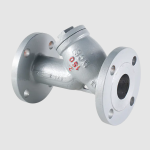

A Stainless Steel Y Type Strainer combines structural design and material characteristics to create an effective filtration component for pipeline systems. Across various industries, equipment protection remains a common requirement because contaminants within fluid systems can create operational challenges. The Stainless Steel Y Type Strainer helps reduce the movement of unwanted particles and contributes to cleaner process conditions.
One reason for the frequent use of stainless steel is its physical and chemical characteristics. Pipelines often operate under changing temperatures, varying pressure conditions, and exposure to different substances. Carbon steel materials may require additional surface treatment in some environments, while stainless steel naturally contains chromium that contributes to corrosion resistance. This protective property creates a passive layer on the surface, helping the material remain stable during long periods of operation.
A Stainless Steel Y Type Strainer is commonly produced using casting or forging processes depending on application requirements. The body structure needs sufficient strength because it may be exposed to continuous pressure from the flowing medium. Manufacturing methods influence wall thickness, dimensional consistency, and mechanical properties. Careful processing also helps ensure sealing performance at connection points.
Inside the body, the screen serves as the main filtering component. The mesh may be manufactured from woven wire or perforated metal materials. Different patterns can influence particle retention and fluid movement. Selection of the internal screen is usually based on the type of media and filtration requirements.
Connection methods also vary. Some Stainless Steel Y Type Strainer products use threaded connections suitable for smaller pipe sizes, while flanged designs are often used in larger systems. Welded connections may appear in applications where leakage prevention and structural stability receive additional attention. The choice depends on installation preferences and operating conditions.
Temperature conditions can also influence component selection. Steam systems, for example, may expose equipment to elevated temperatures. Water systems may operate at lower temperature ranges, while chemical processing applications can introduce additional material compatibility considerations. Stainless steel grades may vary according to these operating environments.
Routine inspection supports continued performance. Operators may monitor pressure differences across the strainer because increasing pressure variation can indicate accumulated debris inside the screen. Cleaning intervals may differ according to contamination levels and operating schedules.
The Stainless Steel Y Type Strainer represents a combination of engineering considerations rather than a simple pipe accessory. Material selection, body construction, screen configuration, and maintenance planning work together to support filtration performance. Through these design elements, the component contributes to the reliability of pipeline operations in a wide range of industrial settings.