




The pharmaceutical and food processing industries face a critical challenge that directly impacts product safety and regulatory compliance: contamination from traditional steam generation systems. When steam containing chemicals, rust particles, or impurities contacts sterile products or sensitive materials, the consequences can be catastrophic—from entire batch rejections to serious health risks. This is where 316L stainless steel clean steam generators have emerged as the gold standard for high-purity industrial steam applications.
Understanding Clean Steam Technology
Clean steam, also known as pure steam, represents a specialized category of steam generation that eliminates chemical additives and contaminants entirely. Unlike conventional boilers that may introduce treatment chemicals or allow mineral deposits to compromise steam quality, clean steam systems utilize multi-stage steam-water separation technology to ensure the output meets pharmaceutical-grade purity standards.
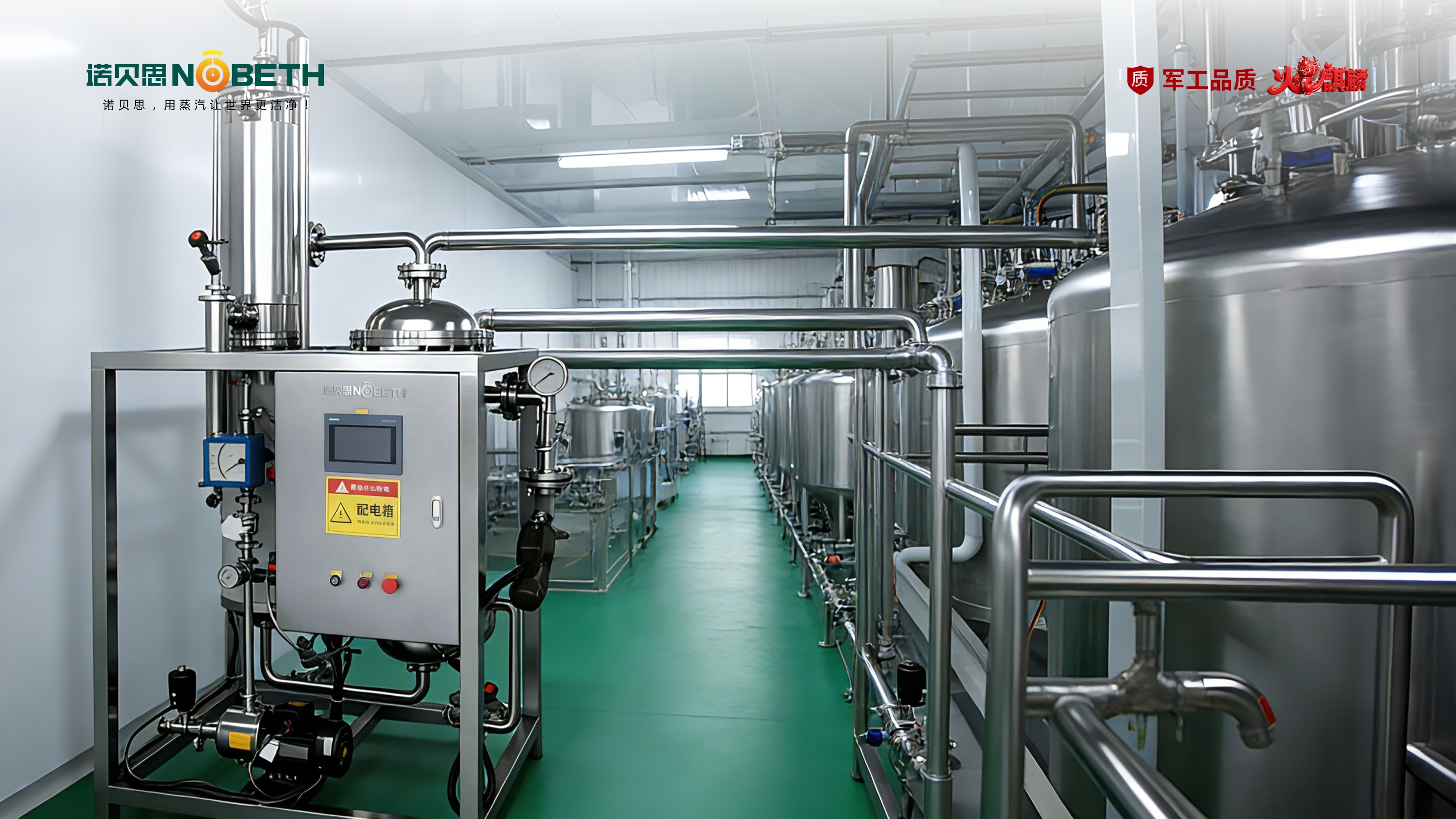
The choice of construction material proves equally critical. While standard 304 stainless steel offers adequate corrosion resistance for general applications, 316L stainless steel provides superior performance in high-purity environments. The "L" designation indicates low carbon content, which prevents carbide precipitation during welding and maintains corrosion resistance at weld joints. This pharmaceutical-grade material prevents any metallic contamination or rust particles from entering the steam flow, making it the preferred specification for medical device manufacturing, hospital sterilization departments, and food processing facilities.
Industry Pain Points Driving Adoption
Manufacturing facilities in regulated industries face mounting pressure from multiple directions. Pharmaceutical companies must adhere to strict Good Manufacturing Practice (GMP) guidelines that mandate steam purity for products contacting human consumption or medical applications. Central Sterile Supply Departments (CSSD) in hospitals require continuous, reliable steam for 24-hour sterilization operations—any contamination or system failure directly compromises patient safety.
Food and beverage producers encounter similar challenges. A dyeing factory in Zhejiang province experienced persistent quality issues with uneven coloring results, leading to customer returns. Investigation revealed that temperature fluctuations and steam impurities from their traditional boiler system were causing inconsistent dye absorption. After implementing pure steam generators with accurate temperature control, the facility achieved a 25% increase in color uniformity and reduced customer returns by 80%.
Energy costs represent another significant concern. Traditional boiler systems often operate at thermal efficiencies below 85%, wasting substantial electricity or fuel. For large-scale operations—such as central kitchens serving 6,000+ people or major food producers like Jinlongyu supplying global retailers including Sam's Club and Walmart—even marginal efficiency improvements translate to significant cost savings.
Technical Advantages of Advanced Systems
Modern electric steam generators constructed with 316L stainless steel address these challenges through integrated design improvements. Thermal efficiency exceeding 98% substantially reduces operational costs compared to conventional systems. This performance stems from advanced heat exchange designs, including threaded pipe technology that maximizes surface contact and heat transfer rates.
Precise temperature regulation capabilities, with accuracy within ±0.5°C, prove essential for mission-critical processes. Whether maintaining exact conditions for pharmaceutical synthesis, achieving consistent results in laboratory experiments, or ensuring uniform texture in bakery production, this level of control eliminates the quality variations that plague traditional systems.
The integration of water and electricity separation design enhances both safety and longevity. By isolating electrical components from the steam generation chamber, these systems prevent electrical faults from contaminating the steam path while reducing maintenance requirements and extending equipment lifespan.
Intelligent automation through PLC control systems with touch-screen interfaces enables operators to monitor and adjust parameters in real-time. Multi-gear power adjustment allows facilities to optimize energy consumption based on actual demand—running at lower capacity during off-peak periods and scaling up during production rushes. Some advanced models incorporate 485 communication ports that facilitate integration with factory management systems, enabling remote monitoring and predictive maintenance scheduling.
Real-World Validation
Shandong General Hospital faced a common challenge in healthcare facilities: maintaining continuous sterilization capacity for surgical instruments and medical devices. The hospital's CSSD department required absolute reliability—any downtime directly impacts surgical schedules and patient care. After deploying hospital-grade clean steam generators, the facility achieved 100% uptime for critical sterilization operations, with pharmaceutical-grade 316L stainless steel construction ensuring zero contamination risks.
In industrial manufacturing, explosion-proof requirements add another layer of complexity. Large-scale flour mills operate in environments where fine dust particles create serious explosion hazards. Traditional steam systems using open flames or inadequate ignition protection pose unacceptable risks. Specialized explosion-proof steam generators with certified safety designs have successfully eliminated ignition risks while maintaining production efficiency in these volatile environments.
Research institutions and universities present unique requirements for steam generation. Laboratory applications demand small-scale, precise steam sources for experimental work. Compact units providing accurate temperature and pressure control enable researchers to conduct reproducible experiments without the overhead of maintaining large industrial boiler systems.
Quotation Considerations
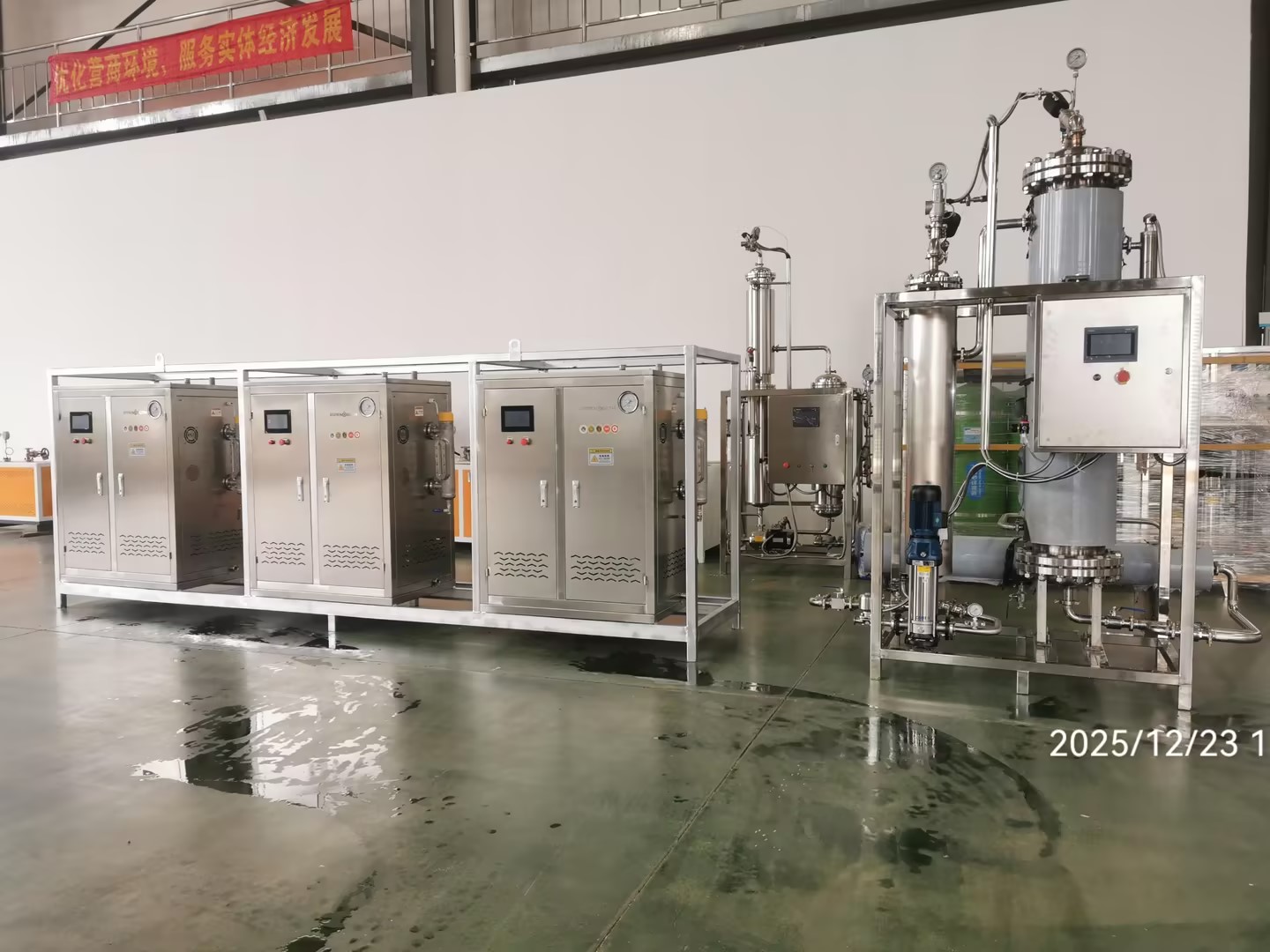
When requesting a quotation for 316L stainless steel clean steam generators, several specifications directly impact pricing and performance:
Power capacity requirements determine equipment size and output. Industrial applications typically require units ranging from 3kW for small laboratory use up to 720kW for large-scale production facilities. Accurately calculating steam demand based on processing volume, continuous operation needs, and peak usage periods ensures appropriate sizing.
Pressure specifications must align with application requirements. Hospital sterilization typically operates at different pressures than food processing or textile dyeing applications. Confirming target pressure ranges with equipment suppliers ensures compatibility with existing downstream equipment.
Material grade verification remains critical. While 316L stainless steel represents the premium standard for pharmaceutical and food applications, some manufacturers may offer lower-grade materials at reduced prices. Confirming material certifications and compliance with relevant industry standards prevents costly compliance issues later.
Customization options including skid-mounted portable configurations, integrated waste heat recovery systems, or specialized control interfaces affect both pricing and implementation timelines. OEM and ODM services allow facilities to specify exact requirements for power, pressure, temperature control, and system integration features.
Long-Term Value Proposition
The decision to invest in premium clean steam generation technology extends beyond initial equipment costs. Facilities must evaluate total cost of ownership, including energy consumption, maintenance requirements, downtime risks, and compliance assurance.
Systems achieving over 98% thermal efficiency and reducing electricity expenditures by more than 30% through integrated waste heat recovery generate substantial savings over their operational lifetime. For energy-intensive operations, these efficiencies often justify premium equipment investments through reduced utility bills alone.
Regulatory compliance represents another critical value dimension. Pharmaceutical and food processing facilities face severe penalties for contamination incidents, including product recalls, regulatory fines, and reputation damage. The assurance provided by pharmaceutical-grade 316L stainless steel construction and validated purity levels protects against these costly scenarios.
Nobeth Group has specialized in intelligent, energy-saving steam thermal energy solutions for 26 years, holding 113 national patents in thermal energy technology. The company's manufacturing facility in Xiaogan City, Hubei Province, spans over 90,000 square meters and serves major brands across pharmaceutical, food processing, and industrial manufacturing sectors. Their systems integrate 5G IoT and AI capabilities for remote monitoring and dual control, enabling facilities to optimize operations while maintaining the purity standards required for sensitive applications.
Strategic Implementation
Successful clean steam system implementation requires careful planning beyond equipment selection. Facilities should conduct comprehensive steam demand analysis, evaluating not just average consumption but peak requirements and future capacity needs. Undersized systems create production bottlenecks, while oversized equipment wastes capital and operational efficiency.
Integration with existing infrastructure—including electrical supply capacity, water treatment systems, and facility automation platforms—must be validated during specification development. The 485 communication interface standard enables seamless connection with modern factory management systems, but legacy facilities may require gateway devices or control system upgrades.
Installation planning should account for space constraints, particularly in retrofit applications. Vertical double-return structures and compact designs allow high-capacity steam generation within limited floor space, an important consideration for urban manufacturing facilities or crowded hospital mechanical rooms.
The shift toward clean steam generation reflects broader industry trends emphasizing safety, efficiency, and regulatory compliance. As global supply chains demand higher quality standards and energy costs continue rising, facilities utilizing advanced 316L stainless steel clean steam generators gain competitive advantages through lower operational costs, superior product quality, and assured regulatory compliance. For pharmaceutical manufacturers, food processors, hospitals, and research institutions, these systems represent not merely equipment upgrades but strategic investments in operational excellence and market competitiveness.