

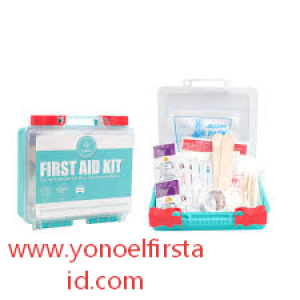
A driver in Minnesota leaves a first aid kit in the car during January. Temperatures drop to -25°C. The antiseptic wipes freeze solid. The adhesive on bandage seals becomes brittle. Come July, the same car interior reaches 60°C. Plastic packaging warps. Liquid components separate. The kit remains untouched for months, but when an emergency occurs, every single item has degraded. The German DIN13164 standard for vehicle first aid kits specifies exact temperature ranges that certified products must withstand. What temperature range must a Din13164 First Aid Kit withstand for storage in a vehicle glove compartment or trunk, and what happens to components exposed outside these limits?
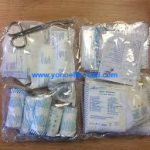
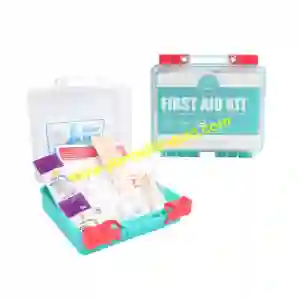
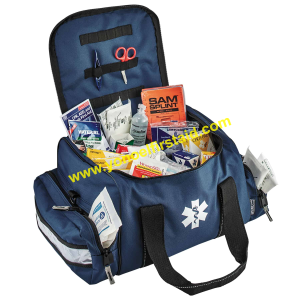
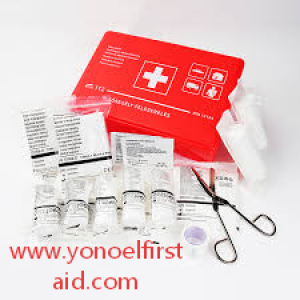
The manufacturing facility at yonoelfirstaid , operated by Dongyang City Yonoel Outdoor Products Co., Ltd., produces DIN13164 certified kits tested specifically for vehicle environments. The standard requires survival through storage temperatures from -20°C to +50°C. At -20°C, water-based antiseptics must not freeze solid. Adhesives on plasters and wound dressings must retain tackiness. Plastic packaging, including zipper bags and sealed wrappers, must resist cracking. At +50°C, adhesive bandages cannot delaminate. Antiseptic solutions cannot separate or evaporate through packaging. Thermoplastic containers cannot warp or lose closure seal integrity. These requirements protect the kit's usability across four seasons without special storage considerations.
Testing protocols verify each component's thermal tolerance. The factory places complete DIN13164 kits in environmental chambers. The temperature cycles between -20°C and +50°C repeatedly. After each cycle, quality technicians inspect every item. Adhesive bandages undergo peel tests. A bandage that loses adhesion after thermal cycling fails the standard. Antiseptic wipes undergo moisture retention tests. A wipe that feels dry or has separated liquid fails. Plaster packaging must still open without tearing after temperature exposure. The factory's 500,000-level cleanroom includes calibrated thermal chambers where these tests occur regularly. Products that pass receive certification markings valid for German vehicle inspections.
The cold tolerance requirement protects against winter storage failures. At temperatures below freezing, many medical adhesives become glassy and lose stickiness. A bandage that will not adhere to skin provides no protection. The DIN13164 standard specifies that wound dressings must remain usable after thawing. Manufacturers achieve this through specialized adhesive formulations with low glass transition temperatures. These formulations remain flexible at -20°C. yonoelfirstaid sources adhesives tested to this specification, verifying each batch through in-house cold-room testing before assembly into certified kits.
The heat tolerance requirement addresses dashboard and trunk storage. Surface temperatures inside a parked car exceed air temperature significantly. A glove box may reach 50°C while the dash exceeds 70°C. The DIN13164 standard does not require survival at extreme surface contact temperatures—only the ambient air temperature inside the storage compartment. However, components must withstand 50°C without degradation. Elastic bandages cannot lose stretch recovery. Scissors with plastic handles cannot soften or deform. Information leaflets printed on heat-sensitive paper cannot fade or curl. The factory stores sample kits in heated chambers for extended periods to simulate months of summer storage before approving a production batch.
Temperature cycling between extremes causes different failure modes than constant exposure. A kit that survives constant -20°C may fail when brought to room temperature and refrozen repeatedly. The thermal expansion and contraction cycle stresses seals, adhesives, and plastics. The DIN13164 standard includes cycling requirements precisely because vehicles experience temperature swings daily. A morning commute at -15°C followed by a heated garage at 15°C creates a 30-degree shift. The factory's validation protocol includes multiple cycles per day for weeks, representing months of actual vehicle use. yonoelfirstaid retains thermal test records for each production batch, allowing customers to verify compliance.
For vehicle owners who need a kit that survives real-world temperature extremes, the certified product line appears at https://www.yonoelfirstaid.com/product/din-series-first-aid-kit/ , where each kit carries documentation of thermal testing from -20°C to +50°C. A first aid kit stored in a vehicle without temperature validation offers false security. The final question for any driver or fleet manager remains direct: does your current car kit list its certified storage temperature range, or do you assume its contents will work when extreme weather strikes?