

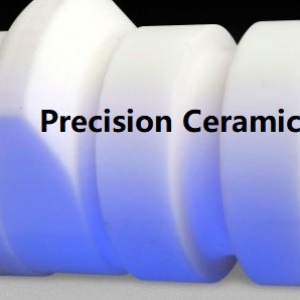
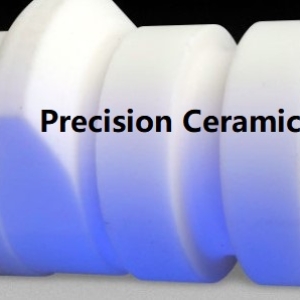
As industrial equipment moves toward higher operating temperatures and more demanding environmental conditions, engineers need materials that can maintain their characteristics under challenging circumstances. Silicon Carbide Ceramics are considered for applications requiring high-temperature capability, hardness, and resistance to wear, while carefully engineered Silicon Carbide Ceramics components can support equipment exposed to heat, thermal changes, and demanding industrial environments. ZFCERA develops ceramic products and customized components for businesses seeking material solutions for specialized equipment and technical systems.
Handling Heat in Demanding Environments
Temperature management is an important consideration in many industrial systems. Equipment used in thermal processing, energy production, and high-temperature manufacturing may expose components to conditions that can challenge conventional materials.
Silicon carbide-based materials are known for their ability to perform in elevated-temperature environments. Their thermal characteristics can make them suitable for selected applications where components need to maintain structural stability during heating and cooling cycles.
This can be useful in industrial equipment that operates continuously or experiences repeated temperature changes.
However, material selection should always consider the complete working environment. Engineers need to evaluate temperature range, heating and cooling rates, mechanical loads, chemical exposure, and expected service life.
The component design is equally important. Geometry, thickness, connection methods, and installation conditions can all influence how a ceramic part performs under thermal stress.
By considering material and design together, engineers can develop components that are better suited to the actual operating environment.
ZFCERA Manufacturing for Specialized Ceramic Components
Manufacturing silicon carbide components requires careful control of raw materials and processing conditions.
Depending on the product type, manufacturing may involve powder preparation, forming, sintering, machining, grinding, and surface finishing.
The production method can influence the final density, strength, dimensions, and surface characteristics of the ceramic component.
Complex components may require customized tooling or specialized forming techniques. Engineers should therefore consider manufacturability during the initial design stage.
For customized products, prototype development can help verify the design before larger production begins. Samples can be evaluated for dimensions, assembly fit, surface quality, and performance.
Additional machining may be required when components need tight dimensional tolerances. Grinding and finishing processes can help achieve specific requirements.
Clear technical documentation is important throughout the development process. Drawings, material specifications, tolerances, and inspection requirements should be confirmed before production.
Thermal Management and Industrial Efficiency
Heat management is becoming increasingly important as industrial systems become more efficient and compact.
In certain applications, ceramic components can play a role in managing heat and maintaining equipment stability.
Silicon carbide materials may be considered for systems where thermal conductivity and high-temperature performance are important. Their characteristics can support selected thermal management applications in industrial equipment.
Potential uses may include heat treatment systems, furnaces, energy equipment, and specialized processing machinery.
However, thermal performance depends on the complete system design. Engineers should consider heat sources, cooling methods, airflow, component geometry, and operating cycles.
Proper design can help prevent unwanted temperature differences that may affect equipment performance.
Testing under realistic operating conditions can provide useful information about how a component behaves during actual use.
This information can help engineers refine the design and determine whether the selected ceramic material is suitable for long-term operation.
Resistance to Wear and Harsh Conditions
Industrial components may be exposed to abrasive materials, chemical environments, or continuous mechanical contact.
In these situations, material durability can influence maintenance schedules and equipment reliability.
Silicon carbide-based ceramics are known for hardness and resistance to wear, making them candidates for selected applications involving demanding conditions.
They may be considered for components used in pumps, processing equipment, chemical systems, and specialized industrial machinery.
The actual performance of a component depends on the operating environment. Abrasive particles, chemical concentration, temperature, pressure, and mechanical loading can all influence service life.
Engineers should evaluate these factors before choosing a material.
Application testing can help determine whether the component can provide the expected performance under real working conditions.
This approach allows manufacturers to balance material properties, component geometry, and production requirements.
Quality Control and Future Applications
Quality control is essential when producing ceramic components for industrial equipment. Dimensional accuracy, material consistency, and surface quality can all influence the final performance of a part.
Manufacturers may inspect critical dimensions using precision measurement equipment. Depending on the application, testing may include surface evaluation, density checks, and other technical inspections.
For repeat orders, stable manufacturing processes can help maintain consistent product quality across different batches.
The development of high-temperature industrial equipment is likely to create continued interest in specialized ceramic materials.
As energy systems, thermal processing equipment, and advanced manufacturing technologies evolve, engineers may require components that can withstand increasingly demanding conditions.
For companies developing specialized equipment, early cooperation with ceramic manufacturers can help identify suitable materials and manufacturing processes.
Businesses interested in high-temperature ceramic components, customized solutions, and technical manufacturing capabilities can visit https://www.zfcera.com/ to explore available options. With appropriate material selection, careful component design, and controlled production, ceramic solutions can support reliable performance in thermal processing, energy, chemical, and other demanding industrial systems.