


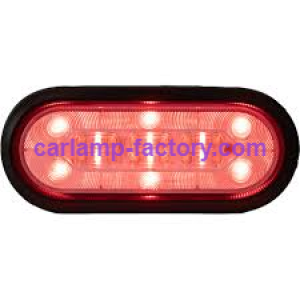
Smart Stop Turn Tail Reverse Lights: Gaining Traction?
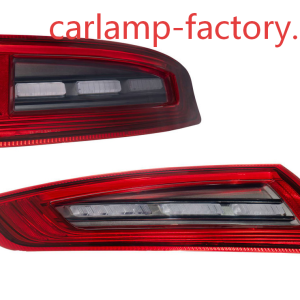
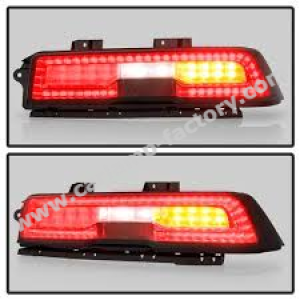
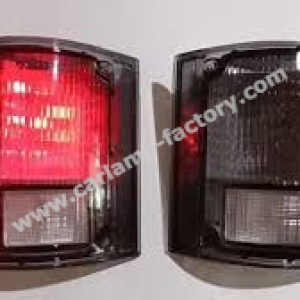
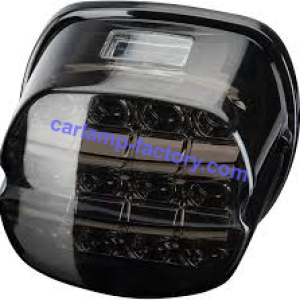
Automotive lighting has traveled far from the simple incandescent bulb. Drivers once accepted fixed brightness levels and basic on-off functions without question. They expected their tail lights to glow during darkness. They presumed turn signals would flash at a steady rhythm. They assumed reverse lights would illuminate whenever the gear shifted backward. These passive functions served their purpose for decades. Yet the modern driving environment demands something extra from every vehicle component. Roads carry more cars than ever before. Traffic patterns grow increasingly complex. Driver distraction has become a genuine concern. The lighting system now faces pressure to deliver not just illumination, but also intelligence. Sensor-equipped lighting offers a possible answer. These systems detect surrounding conditions and adjust their behavior accordingly. They communicate braking intensity through graduated brightness levels. They project warnings onto the road surface. They adapt to weather and traffic flow. The question remains: are these smart Stop Turn Tail Reverse Lights from manufacturers like carlamp-factory actually gaining consumer acceptance?
The technological foundation for smart lighting already exists. LED matrices with thousands of individually controllable pixels permit dynamic beam shaping. These systems identify oncoming vehicles and selectively dim specific portions of the beam. They leave the rest of the road fully illuminated. This adaptive capability reduces glare while maintaining visibility. Sensors integrated into the lighting housing detect ambient light levels and weather conditions. They adjust output intensity to match environmental demands. A foggy evening triggers different behavior than a clear night. A crowded urban street produces different output than an empty highway. This responsiveness represents genuine progress beyond static lighting systems.
Communication represents the second major function of smart lighting. Traditional signals offer a limited vocabulary. Brake lights indicate deceleration but not its severity. Turn signals show direction but not intention. Smart systems expand this communication capacity. High-resolution projection modules can display symbols directly onto the road surface. A vehicle might project a warning triangle during emergency stopping. It might highlight a pedestrian crossing path. It might display the vehicle's intended turning radius. These visual cues supplement traditional light signals. They provide context that simple blinking lamps cannot convey. Research indicates that such enhanced communication reduces reaction times for following drivers. Clearer signals mean safer roads.
Consumer awareness of smart lighting remains an evolving picture. Early adopters have embraced the technology enthusiastically. They appreciate the safety benefits. They value the modern appearance. They enjoy the personalization options. However, mainstream buyers approach the technology with more caution. Some question the reliability of sensor-based systems. Others worry about repair costs. Many simply lack awareness that such options exist. The automotive industry continues its educational efforts. Dealerships demonstrate smart lighting features during test drives. Online reviews highlight real-world benefits. Word-of-mouth spreads through owner communities. Each year brings greater consumer familiarity.
Commercial vehicle operators have shown particular interest in smart lighting. Fleet managers prioritize safety above other considerations. They recognize that reduced accident rates directly impact profitability. Smart stop turn tail reverse lights offer measurable safety advantages for commercial applications. The ability to signal braking intensity helps prevent rear-end collisions. The adaptive brightness ensures visibility in all weather conditions. The self-diagnostic capabilities alert drivers to potential failures before they occur. These features translate into fewer accidents and lower insurance premiums. Fleet adoption rates have climbed consistently. Large logistics companies now specify smart lighting for new vehicle purchases.
Retail pricing presents an interesting factor in adoption patterns. Smart lighting systems command premium prices compared to conventional units. The additional cost reflects the sophisticated electronics involved. Sensors, processors, and LED arrays cost more to manufacture. The value proposition must justify this price difference. Consumers weigh the safety benefits against the upfront expense. Many conclude that protection against accidents justifies the investment. Others prefer to wait until prices decline. Economies of scale should eventually reduce production costs. As volume increases, price barriers will likely diminish. -
Installation complexity affects consumer willingness to upgrade. Retrofit installation requires professional assistance in many cases. Wiring connections must match the vehicle's existing harness. Sensor placement requires careful positioning. Software integration demands proper configuration. These requirements create barriers for some buyers. Vehicle owners who lack technical expertise hesitate to attempt self-installation. Professional installation adds to the total cost. However, many newer vehicles include pre-wired connectors that simplify the process. Plug-and-play designs reduce labor expenses. The installation experience continues to improve with each product generation.
Manufacturing standards play a crucial role in consumer confidence. Buyers want assurance that smart lighting systems will perform reliably over many years. Harsh environmental conditions test every component. Extreme temperatures, road vibration, and moisture exposure challenge durability. Sensors must maintain calibration despite these conditions. LED arrays must maintain brightness over extended operating hours. Waterproofing must survive repeated car wash cycles. Reputable manufacturers conduct rigorous testing programs. They validate performance across temperature ranges. They verify water resistance through immersion tests. They confirm vibration tolerance through shake table trials. These quality protocols build consumer trust.
Regulatory frameworks influence market availability. Different regions maintain different requirements for automotive lighting. European regulations emphasize adaptive beam functionality. North American standards focus on specific brightness and color specifications. Manufacturers must navigate this regulatory landscape. They design products that satisfy multiple market requirements. This complexity extends development timelines. It also restricts product availability in some regions. Consumers in regulated markets may find fewer options. They must choose from certified products only. This limitation frustrates some buyers who want access to newer technology.
Product variety has expanded significantly in recent years. Manufacturers now offer smart lighting options across multiple price points. Entry-level systems provide basic sensor functions. Mid-range products include adaptive beam control. Premium systems incorporate projection capabilities. This variety allows consumers to choose appropriate features for their needs. A daily commuter might value adaptive brightness above all else. A night driver might prioritize projection warnings. A fleet operator might focus on self-diagnostic functions. The availability of different configurations addresses diverse requirements. Buyers appreciate having choices that match their specific usage patterns.
Aesthetic considerations also shape purchasing decisions. Smart lighting designs often feature distinctive visual signatures. Dynamic turn signals create a flowing appearance. Welcome sequences greet drivers with choreographed light shows. These visual effects attract consumers who value vehicle styling. They add a premium feel to the driving experience. The aesthetic appeal sometimes outweighs purely functional considerations. Consumers choose smart lighting because it looks sophisticated. They enjoy the attention it attracts from other drivers. The design element cannot be overlooked in adoption analysis.
Aftermarket availability affects consumer access to smart lighting. Original equipment manufacturers include smart systems in new vehicles. However, owners of older vehicles must seek aftermarket solutions. The aftermarket offers a viable path for technology adoption. Many manufacturers produce retrofit kits for popular vehicle models. These kits include complete instructions and necessary adapters. The aftermarket segment has grown steadily. It provides a bridge between factory-installed systems and consumer demand. Owners of older vehicles appreciate having upgrade options. They can enjoy smart lighting benefits without buying a new car.
Consumer education remains essential for market growth. Potential buyers need to understand smart lighting capabilities. They require information about installation requirements. They seek clarity about warranty coverage. Manufacturers invest in educational content to address these needs. Online videos demonstrate product features. Installation guides simplify the process. Customer support teams answer technical questions. These educational efforts reduce uncertainty. They help consumers make informed decisions. Well-informed buyers become satisfied customers. They recommend products to friends and family members.
The question of long-term reliability concerns many potential buyers. Smart lighting systems contain more components than conventional units. More components theoretically mean more potential failure points. Manufacturers address this concern through robust design. They test systems extensively before product release. They offer comprehensive warranty coverage. They maintain spare parts inventories for repair needs. These practices build consumer confidence. However, actual long-term performance data remains limited. Smart lighting has not existed long enough for definitive reliability conclusions. The first generation of products continues to accumulate service hours. Evidence suggests that well-built systems perform admirably. Early adopters report satisfaction with product longevity.
Looking toward the near future, several developments promise to accelerate adoption. Costs continue their downward trend. Manufacturing efficiency improves with volume. New features appear with each product cycle. These factors combine to make smart lighting increasingly attractive. The technology that seemed futuristic just years ago now appears mainstream. Consumer acceptance has grown substantially. The momentum appears likely to continue. https://www.carlamp-factory.com/ showcases various smart lighting configurations designed for different vehicle applications. Interested buyers can explore available options and evaluate whether sensor-equipped systems meet their driving needs and safety priorities.