
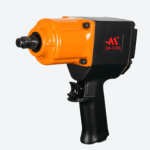


Heavy Duty Air Impact Gun performance depends on the cooperation of multiple internal components rather than only the external design. Although the tool may appear complete after assembly, manufacturers need to verify how the air motor, impact mechanism, and moving parts perform together under working conditions. Internal testing helps ensure that each unit can provide stable operation after reaching professional users.
The internal structure of a pneumatic tool directly affects its working condition. Compressed air drives the motor, while the impact mechanism converts energy into repeated fastening force. When producing a Heavy Duty Air Impact Gun, manufacturers carefully control the assembly process because small differences in component positioning or connection accuracy may influence vibration, response speed, and long-term performance.
Testing allows factories to identify issues that cannot be discovered through appearance inspection alone. After assembly, technicians usually connect sample tools to an air supply system and observe operating behaviour. They check sound, movement response, and overall running smoothness to confirm whether internal parts are working correctly. These steps help reduce potential problems before products are shipped to customers.
Air supply conditions are also considered during performance testing. Pneumatic tools rely on compressed air, meaning pressure stability and airflow conditions can influence actual output. Manufacturers need to test products under suitable conditions to distinguish between tool-related issues and external air system factors. This allows engineers to make more accurate adjustments during production.
Durability begins with manufacturing decisions. A Heavy Duty Air Impact Gun designed for frequent industrial use must withstand repeated mechanical movement over time. Internal components, connection areas, and impact parts require careful material selection and assembly control to maintain stable positioning during continuous operation. Consistent manufacturing processes help improve reliability across different production batches.
Production records also support ongoing improvement. Information from assembly checks, air pressure tests, and final inspections allows engineers to review previous production conditions when optimizing future batches. These records may appear simple, but they provide valuable references for identifying patterns and improving manufacturing consistency.
A reliable pneumatic tool is created through repeated verification rather than a single inspection. From component matching and assembly accuracy to operating tests and production feedback, every stage contributes to final performance. By applying careful testing procedures, manufacturers can ensure that each Heavy Duty Air Impact Gun is better prepared for demanding environments such as vehicle repair, equipment maintenance, and industrial assembly.