

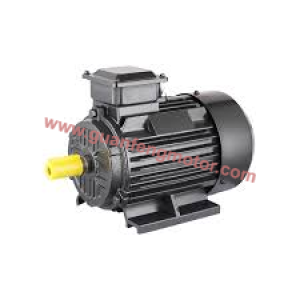
A High-Power Grinding Machine represents a significant capital investment for any processing operation. The price tag attached to such equipment often surprises first-time buyers who compare it against smaller, less capable units. This cost differential originates from a combination of engineering choices, material selections, and performance capabilities that distinguish heavy-duty machinery from its lighter counterparts. Guanfengmotor, operating through its manufacturing entity Wenling Guanfeng Electromechanical Co., Ltd., produces equipment that must balance these cost drivers while meeting the demands of industrial users. The final price reflects decisions made at every stage of design and production. What specific factors actually constitute the price of a High-Power Grinding Machine?
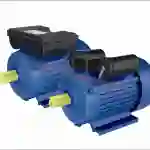
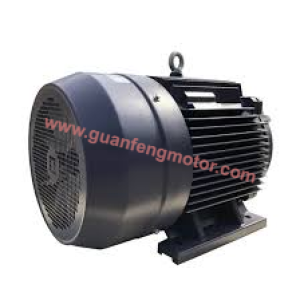
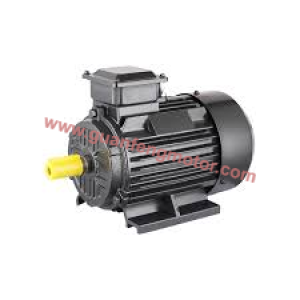
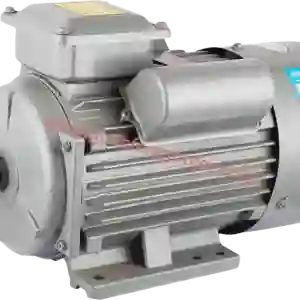
The motor system constitutes the largest single cost component within a High-Power Grinding Machine. High-power units require motors with substantial copper windings, high-grade magnetic materials, and robust cooling systems to dissipate heat during extended operation. The motor's power rating, measured in kilowatts, directly scales with the quantity of active materials required, creating a near-linear relationship between motor power and cost. The efficiency class of the motor also affects pricing; premium efficiency units incorporate higher quality laminations and tighter manufacturing tolerances, adding expense while reducing operating costs over the equipment's lifetime. The motor enclosure type, whether open-drip-proof or totally enclosed fan-cooled, influences both material costs and the complexity of the manufacturing process.
The build materials selected for the machine structure and grinding components determine durability and price. A High-Power Grinding Machine subjected to continuous industrial use requires cast iron or fabricated steel frames that resist vibration and maintain alignment under load. The grinding chamber and wear parts, including grinding plates or rollers, must withstand abrasive forces, necessitating hardened alloys or specialized wear-resistant materials. The choice of these materials affects both the initial purchase price and the machine's service life, with premium materials delivering extended operational intervals between replacements. The rotor and spindle assemblies, which transmit motor power to the grinding mechanism, require precision machining and balancing, adding to manufacturing costs through specialized equipment and skilled labor requirements.
The control and safety systems integrated into modern High-Power Grinding Machines add another layer of cost. Variable frequency drives allow operators to adjust motor speed to match material characteristics, improving efficiency and product quality. These drives incorporate power electronics and control algorithms that add to the machine's price. Safety features, including overload protection, emergency stops, and interlock systems, require additional sensors and control circuitry. Monitoring systems that track temperature, vibration, and power consumption provide data for predictive maintenance, adding initial expense while reducing downtime and repair costs over the machine's lifetime.
The manufacturing scale and production location of the High-Power Grinding Machine influence pricing through labor costs, overhead allocation, and supply chain efficiencies. A manufacturer operating at higher production volumes can spread fixed costs over a larger number of units, reducing the per-unit cost attributable to facilities and equipment. The geographic location of the factory affects material sourcing costs and labor expenses, with manufacturers in industrial regions often accessing more competitive supply chains. The quality of the assembly and testing processes, including run-in testing and performance verification, also adds to the final cost, though this expense ensures the machine performs to specification upon delivery.
The brand reputation and service network associated with a High-Power Grinding Machine contributes to its price through warranty coverage, technical support availability, and spare parts accessibility. Manufacturers that maintain extensive service networks and stock parts locally can reduce user downtime, a value proposition that justifies a premium price. The training and documentation provided with the machine, including operation manuals and maintenance guides, represent additional value embedded in the purchase price.
Understanding these cost drivers allows prospective buyers to evaluate whether a High-Power Grinding Machine meets their operational requirements at a fair price. The product selection available at https://www.guanfengmotor.com/ includes units engineered to balance these cost factors for specific applications. The total cost of ownership, including energy consumption, maintenance expenses, and parts replacement, ultimately determines whether a particular price point represents a sound investment. Does your current evaluation process account for all these cost-determining factors?