





Pakistan is home to some of the world's most sought-after salt deposits, including the famous Khewra Salt Mine, one of the largest and oldest salt mines on the planet. Because of this natural advantage, the country has become a major global source of both edible and industrial salt. If you're a buyer, distributor, or business owner looking to source salt internationally, working with a salt exporter in Pakistan can open the door to high-quality products at competitive pricing.
But not every exporter operates the same way, and the difference between a smooth transaction and a logistical headache often comes down to the questions you ask before signing a contract. Whether you're new to importing salt or simply exploring a new supplier relationship, knowing what to ask upfront can save you time, money, and unnecessary stress. This guide walks through the most important questions to raise before you commit to a partnership.
Understanding the Exporter's Background and Credentials
Before discussing product specifications or pricing, it's worth taking a step back and learning who you're actually dealing with. Salt exporting is a specialized trade, and not every supplier has the same level of experience, infrastructure, or regulatory standing.
How Long Have They Been in the Export Business?
Experience matters in international trade. A supplier who has been exporting for a decade or more has likely already worked through the common challenges of customs documentation, shipping delays, and quality consistency. Ask directly about their years in operation, the regions they typically export to, and whether they have experience shipping to your specific country. Newer exporters aren't necessarily unreliable, but they may still be building the systems and relationships that make international trade run smoothly.
What Certifications and Licenses Do They Hold?
This is one of the most critical areas to investigate. A legitimate salt exporter should be able to provide documentation such as export licenses, food safety certifications (if the salt is intended for consumption), and quality compliance certificates like ISO or HACCP where applicable. For edible salt, ask whether the product meets international food-grade standards. For industrial salt, ask about the specifications relevant to its intended use, such as de-icing, water treatment, or manufacturing. Never assume certifications exist — always request copies and verify them independently if possible.
Can They Share References or Past Trade History?
A trustworthy supplier should be comfortable connecting you with previous clients or providing shipping records that demonstrate a track record of fulfilled orders. If an exporter is hesitant to share any verifiable history, that's worth noting as a caution flag rather than an automatic disqualifier, since some businesses treat client lists as confidential. Still, some form of verifiable trade history — even anonymized — helps build confidence in the relationship.
Evaluating Product Quality and Sourcing
Once you've established that the exporter is credible, the next set of questions should focus on the product itself. Salt is not a one-size-fits-all commodity, and quality can vary significantly depending on the mining source, processing method, and intended use.
Where Is the Salt Sourced From?
Pakistan's salt largely comes from the Khewra Salt Mine and other deposits in the Salt Range, but processing facilities and grinding standards can differ between suppliers. Ask specifically where the raw salt is mined and where it is processed, since these can sometimes be different locations. This transparency helps you understand the supply chain and assess consistency across shipments.
What Grades and Types of Salt Are Available?
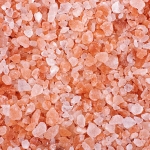
Salt comes in many forms — rock salt, table salt, Himalayan pink salt, industrial-grade salt, and more — each with different granulation, mineral content, and purity levels. A reliable salt exporter in Pakistan should be able to clearly explain the different grades they offer, the mineral composition, and which applications each type is best suited for. If you need a specific granulation size or purity percentage, confirm this can be met consistently across orders, not just in a single sample batch.
How Is Quality Tested and Verified?
Ask what internal quality control processes are in place. Reputable exporters typically test for moisture content, mineral composition, and contamination levels before packaging and shipping. Find out whether third-party lab testing is available and whether test reports are provided with each shipment. This is particularly important for buyers in the food industry, where safety and consistency are non-negotiable.
Clarifying Logistics, Pricing, and Contract Terms
The final category of questions deals with the practical side of the transaction — how the salt gets from the mine to your warehouse, and what the financial and legal terms look like.
What Are the Packaging and Shipping Options?
Salt can be exported in bulk containers, bags of varying sizes, or specialized packaging depending on the buyer's needs. Ask about available packaging formats, minimum order quantities, and whether custom packaging is possible for your specific requirements. Also inquire about typical shipping timelines, the ports used for export, and how they handle potential delays caused by weather, customs, or global shipping disruptions.
How Is Pricing Structured?
Pricing in the salt export industry can depend on factors like order volume, salt grade, packaging type, and current market conditions. Ask for a clear breakdown of costs, including whether the quoted price is FOB (Free on Board), CIF (Cost, Insurance, and Freight), or another shipping term. Understanding these terms upfront prevents confusion later about who is responsible for insurance, freight costs, and risk during transit.
What Payment Terms and Guarantees Are Offered?
International trade involves financial risk on both sides, so it's important to clarify payment structures early. Ask whether they require full payment upfront, a deposit with balance on delivery, or letter of credit arrangements. Also ask about their policy on damaged goods, short shipments, or quality disputes. A dependable salt exporter in Pakistan should have clear, written policies addressing these scenarios rather than vague verbal assurances.
How Do They Handle Communication and Order Updates?
Finally, ask about their communication process once an order is placed. Will you receive regular updates on production status, shipping milestones, and expected delivery dates? Clear, consistent communication is often the biggest differentiator between a smooth trading relationship and a frustrating one, especially when dealing with the time zone differences and language considerations that come with international sourcing.
Final Thoughts
Sourcing salt internationally doesn't have to be complicated, but it does require a bit of diligence before committing to a supplier. By asking about credentials, product quality, and logistics upfront, you set the foundation for a transparent and reliable trading relationship. Any established salt exporter in Pakistan should welcome these questions rather than avoid them — after all, a confident, well-documented supplier is usually a sign of a trustworthy long-term partner. Taking the time to ask the right questions now can save significant headaches down the road and help ensure your salt sourcing needs are met consistently, shipment after shipment.