


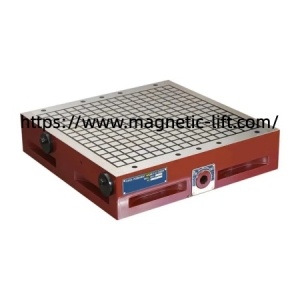
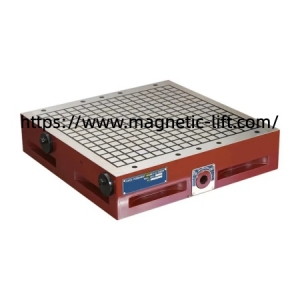
Super Strong Permanent Magnetic Chuck holding force depends on several practical variables that operators meet every day on the shop floor. Contact quality material depth and pole coverage determine how much grip the device can deliver when a ferrous part rests on its surface. Even a unit built for solid performance may deliver reduced retention if any of these elements fall short of ideal conditions. Recognizing the main influences helps workshops keep parts secure through grinding and light milling cycles without unexpected movement.
The quality of the interface between the platform and the workpiece ranks among the primary influences. Any layer of dirt oil scale or light coating creates an air gap that interrupts the flux path. A smooth clean face allows the full force to transfer into the part while particles or roughness cut the available grip. Operators who wipe both surfaces before each setup recover a large share of the intended retention. Keeping a clean cloth near the machine and removing chips after every cycle becomes a simple habit that protects performance over long runs.
Workpiece depth plays a parallel role. The flux path needs enough material thickness to close properly. When stock falls below the minimum depth shown on the rating chart the available grip drops because the shallow section cannot carry the complete circuit. Thin plates may look solid by weight yet still release under modest side pressure. Checking actual thickness against the supplied table before clamping prevents situations that appear acceptable on paper but fail during cutting.
Coverage across the poles also shapes the result. A part that spans multiple poles receives stronger retention than one that rests on a single pole line. Small components benefit from placement that crosses several transitions while larger plates need even seating so the entire face contributes. Uneven or bowed stock can lift at the edges and reduce the effective area. Using parallel supports or light packing for thin items helps keep full contact and preserves grip throughout the cycle.
Material type adds another layer. Low carbon steel conducts the flux efficiently while higher alloy grades or cast iron transfer less force. Surface hardness and residual stress after heat treatment can further alter the result. Knowing the grade of the stock and applying the corresponding reduction factor from the manufacturer chart keeps the load within safe limits. Temperature near the upper working range may soften residual force so allowing parts to cool before clamping supports stable results.
Daily routines that combine these checks produce more predictable outcomes. Teams that clean the face verify depth and confirm pole coverage experience fewer interruptions during grinding or light milling. They also protect the platform surface from abrasive particles that would otherwise create permanent gaps. Training new operators to treat surface preparation and thickness verification as part of every setup builds consistent practice across shifts.
Kaixinmagnetic builds its platforms with clear depth curves and surface notes printed near the lever so users can make quick decisions without leaving the machine. The same practical focus appears in the pole layout and switching mechanism that support both thin and thicker stock. When operators follow the depth and cleanliness guidelines the equipment delivers the retention listed for each model under real workshop conditions.
Shops that adopt these steps find that part movement becomes rare and changeover stays short. Loads remain fixed through the full cutting path and release only when the lever returns to the open position. The outcome is steady throughput without stops caused by insufficient grip.
Product details size options and depth charts appear at https://www.magnetic-lift.com/ so users can match the platform to their typical stock sizes and surface conditions.