

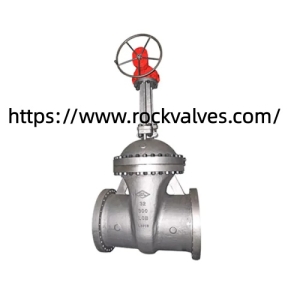
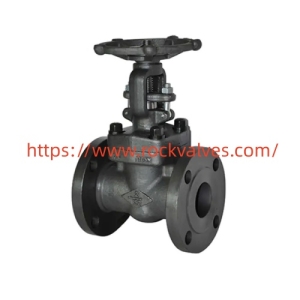
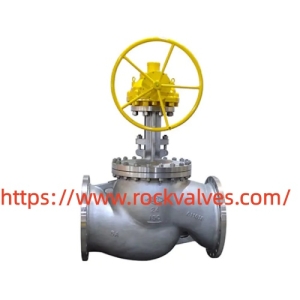
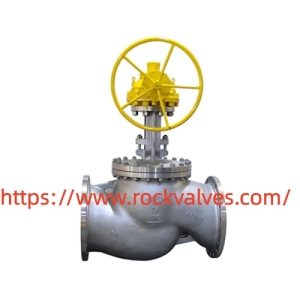
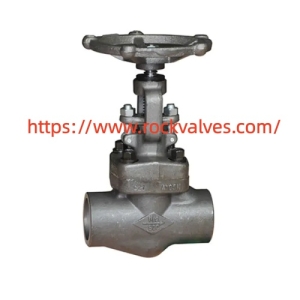
DIN Standard Cast Steel Valves selection starts with verification of pressure nominal ratings that match the design conditions of the connected piping. Buyers examine the body material grade to confirm it suits the operating temperature and fluid characteristics. Common ferrous alloys used for these items undergo specific heat treatment to achieve the required mechanical properties.
Face to face lengths follow fixed tables so that replacement units fit existing flange centers without modification. End connection details such as raised face or ring type joint receive equal scrutiny to ensure gasket compatibility. Wall thickness measurements and overall dimensional accuracy prevent interference with adjacent components.
Hydrostatic shell and seat tests documented in the inspection package provide evidence of integrity under pressure. Markings on the body including size rating and material symbols allow quick identification during site receipt. Temperature limits listed in the accompanying data sheets guide decisions for hot or cold process streams.
Alloy composition certificates confirm the chemical balance needed for strength and corrosion resistance in the intended media. Hardness readings taken after heat treatment stay within defined ranges to avoid cracking risks under load. Traceability from melt number through final inspection supports quality audits required by plant operators.
Available sizes range from small bore to large diameter units covering typical process requirements. Pressure classes align with common European piping codes so that system design remains consistent. Packaging protects the seating surfaces and flange faces during transport to the installation site.
Rockvalves produces isolation equipment that follows the dimensional and material rules applied to these European norm items. Controlled manufacturing steps and complete documentation packages assist buyers in meeting project specifications.
Inspection upon delivery includes visual checks of surface condition and verification of stamped data against the order. Proper storage away from moisture and impact preserves the as delivered condition until the units enter service. Coordination of delivery schedules with construction progress avoids unnecessary site storage.
Matching the pressure rating and material grade to the actual process parameters remains the central task. Buyers who complete these checks early reduce the likelihood of later adjustments. Clear communication of the required temperature range and media details helps the manufacturer prepare the correct configuration.
The combination of verified dimensions certified materials and documented pressure tests creates a practical foundation for reliable system performance. Attention to these elements during the selection process supports smooth installation and long term operation.
Current product details and technical data can be viewed at https://www.rockvalves.com/ to support project planning.