
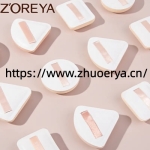

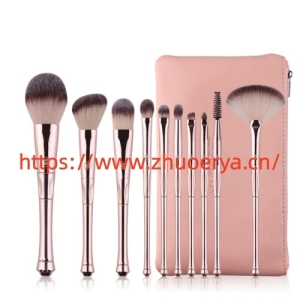
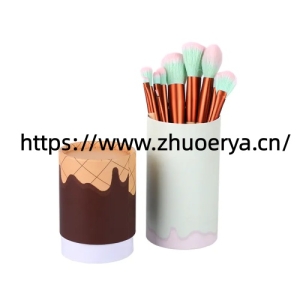
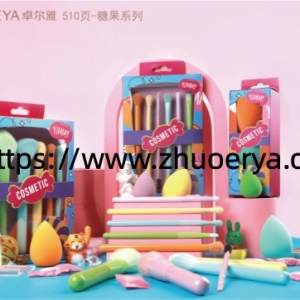
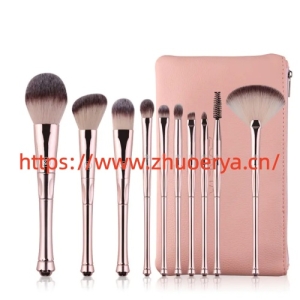
Powder Puff Manufacturer selection deserves careful attention because a beauty tool can influence how customers experience an entire cosmetic product line. For brands developing private label collections, the decision should involve more than appearance or unit price. Material feel, shape, density, stitching, color consistency, packaging, production control, and communication all deserve review before an order moves forward.
Material selection should be one of the earliest points to discuss. Different fabrics and foams create different sensations during application. Velvet, microfiber, non latex foam, and other materials can serve different cosmetic uses. Recent industry discussions have also highlighted growing interest in non latex options and materials connected with sustainability. A supplier should be able to explain available materials clearly and provide samples that allow buyers to compare softness, flexibility, absorption, resilience, and surface texture.
Sample evaluation is another practical step. A photograph can show shape and color, but it cannot fully communicate how an applicator feels in the hand or against the skin. Beauty brands should request physical samples before confirming a large production order. Compare several samples side by side. Check whether the shape remains stable, whether seams are neat, whether edges feel comfortable, and whether the surface distributes cosmetic products evenly.
Customization also deserves a detailed conversation. A brand may need a particular shape, size, fabric, color, logo position, strap design, or packaging format. These details should be confirmed through written specifications rather than informal conversations. Clear specifications reduce misunderstandings and make later quality checks easier.
Logo application is worth checking at the sample stage as well. Different decoration methods can create different visual effects and durability. Ask to see actual samples using the intended logo treatment. Check alignment, clarity, color matching, and placement. Small visual details can affect how consistently a product line appears across different batches.
Production consistency is another important consideration. A sample may look good, but the real test comes when larger quantities are produced. Brands should ask how incoming materials are checked, how production samples are compared, and how finished goods are inspected. Quality control can cover material consistency, dimensions, compression behavior, appearance, and packaging condition.
Order quantity and production planning should also match the brand stage. A new company may prefer a manageable initial quantity for market testing, while an established cosmetics business may require regular replenishment. Discuss minimum order quantities, sample charges, production schedules, packaging quantities, and repeat order procedures before confirming the project.
Communication matters just as much as physical production. A useful supplier should respond clearly to questions about materials, customization, samples, production timing, and packaging. When specifications change, both sides should have a clear record of the approved version. This becomes particularly important when a brand develops several related products at the same time.
Packaging deserves attention because beauty tools often reach consumers as part of a complete visual experience. Brands can consider individual bags, boxes, sets, printed cards, or other presentation formats depending on their sales channels. Packaging dimensions should also be checked against shipping requirements so that the finished product remains practical for storage and transportation.
Hygiene and compliance should be considered according to the destination market and intended use. Buyers should request relevant material information and documentation where appropriate. If a product is intended for different countries, regulatory expectations may vary, so brands should confirm applicable requirements before production rather than waiting until shipment.
For Zhuoerya, the focus can be placed on practical customization, product details, and communication throughout the development process. A beauty brand can compare samples, confirm specifications, adjust design details, and organize packaging requirements according to its own product strategy.
Choosing a supplier is ultimately a process of matching production capability with brand needs. When material selection, sample approval, customization, inspection, packaging, order quantity, and communication are reviewed together, beauty companies can make decisions with clearer expectations. Brands interested in reviewing available beauty tool options can visit the Zhuoerya product collection here: https://www.zhuoerya.cn/product/