

PVC Door Factory selection can influence how well an interior product fits the rooms, routines, and design requirements of a home. Residential buyers should consider more than appearance when comparing manufacturers. Material construction, moisture exposure, surface finish, dimensions, hardware compatibility, cleaning habits, customization, and installation conditions can all affect whether a product suits a particular living space.
Begin With The Room
The first step is to consider where the product will be installed. Bathrooms, kitchens, bedrooms, living rooms, laundry areas, and storage spaces do not necessarily have the same requirements.
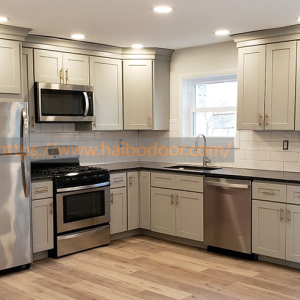
Bathrooms and kitchens may experience higher humidity and occasional water exposure, making moisture resistance an important consideration. Haibodoor notes that PVC interior products are commonly used in moisture-prone areas such as bathrooms and kitchens because of their resistance to water exposure and relatively simple maintenance.
Bedrooms and living areas may place greater emphasis on appearance, privacy, sound considerations, and coordination with furniture or wall finishes.
Thinking about the room before selecting the product helps narrow down suitable construction and surface options.
Examine The Internal Construction
The visible surface does not tell the whole story. Buyers should ask about the internal structure, core material, reinforcement, edge treatment, and overall construction.
Different core structures can affect weight, stability, sound behavior, and installation requirements. Haibodoor describes PVC products with different core options, including hollow, honeycomb, foam, and composite wood structures.
For a residential renovation, the selected construction should also work with the existing frame and hardware. For a new home, buyers can coordinate the product specification with the architectural drawings and installation plan before production.
Match The Surface With Interior Style
A residential interior usually contains several visual elements that need to work together. Flooring, wall colors, furniture, cabinets, and entrance products can all influence the overall appearance.
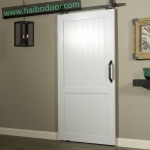
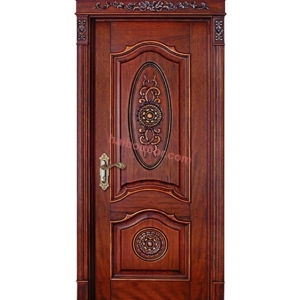
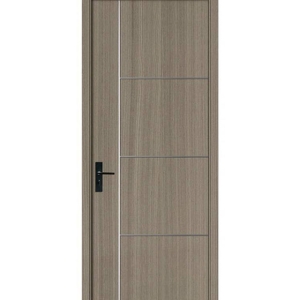
PVC surfaces are available in different colors, patterns, and wood-inspired finishes. This gives homeowners and designers room to coordinate the product with different interior styles.
Instead of choosing a finish from a screen alone, buyers can request physical samples. Natural and artificial lighting may change how colors and textures appear, so seeing an actual sample can help when matching the rest of the room.
Consider Moisture Exposure
Moisture should be evaluated according to the actual room rather than the entire house. A bathroom may need different protection from a bedroom.
PVC is commonly selected for areas where moisture resistance is useful. However, the complete product construction, edge sealing, installation method, ventilation, and surrounding materials also influence practical performance.
Recent information from Haibodoor notes that bathroom applications require consideration of humidity, temperature changes, surface condition, edge treatment, and structural construction rather than assuming that every PVC configuration performs identically.
This makes it useful to discuss the intended room with the manufacturer before selecting a specific configuration.
Think About Daily Maintenance
Residential products are handled regularly, especially in homes with children, pets, or frequent visitors. A surface that can be cleaned using the recommended routine may make everyday maintenance simpler.
PVC surfaces are generally associated with relatively low maintenance requirements compared with some traditional wood finishes. Regular wiping, appropriate cleaning products, and periodic inspection of hardware can help maintain normal use.
Buyers should still follow the manufacturers care instructions because different finishes and components may have specific cleaning requirements.
Check Dimensions Before Ordering
Correct measurements are essential for residential projects. Buyers should confirm the opening width, height, wall thickness, frame arrangement, swing direction, and hardware position before production.
For renovations, existing openings may not follow standard dimensions. A manufacturer capable of working with customized measurements can therefore be useful when replacing older interior products.
Haibodoor states that it can develop products according to customer drawings or samples, which can support projects with specific size or design requirements.
Providing accurate drawings and measurements early can reduce the chance of adjustments during installation.
Review Hardware Compatibility
Handles, hinges, locks, seals, and other components need to work with the selected product. Buyers should confirm hardware specifications before manufacturing rather than treating them as a separate issue.
For residential projects, this is particularly relevant when several rooms use different locking requirements. Bathrooms, bedrooms, storage areas, and other spaces may require different hardware arrangements.
A clear hardware schedule can help the manufacturer prepare the product correctly and give installers a consistent reference at the construction site.
Consider Long-Term Household Use
A product may look suitable during the selection stage but should also fit the households daily habits. Think about cleaning frequency, humidity, children, pets, furniture placement, ventilation, and expected traffic.
For example, a bathroom product may need easy maintenance, while a bedroom application may place greater emphasis on privacy and appearance. Matching the configuration to the room can create a more practical result than using the same specification throughout an entire property without considering environmental differences.
Why Haibodoor Can Support Residential Projects
Haibodoor provides PVC interior solutions for homes, apartments, renovations, and other residential applications. Its product range can be considered according to surface appearance, internal construction, customization, dimensions, and different room requirements.
Choosing a manufacturer should involve a clear comparison of the actual project requirements. Buyers can review samples, discuss measurements, confirm construction details, coordinate hardware, and select finishes according to each rooms conditions.
For homeowners, builders, distributors, and renovation contractors preparing residential projects, Haibodoor offers options that can be evaluated according to different interior needs. Visit the https://www.haibodoor.com/product/ to review available products and consider suitable configurations for your next residential project.