
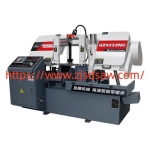

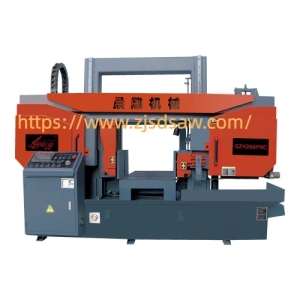
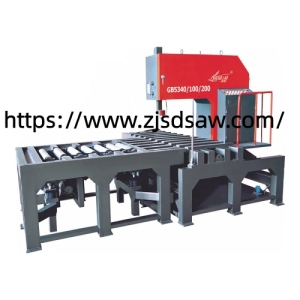
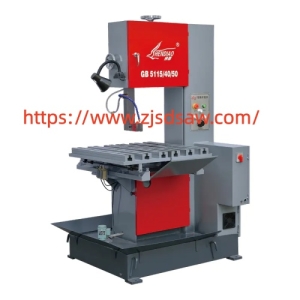
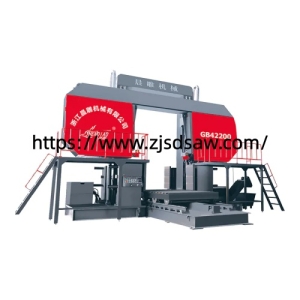
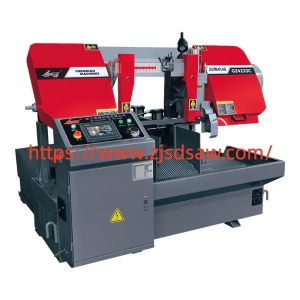
Fully Automatic Metal Cutting Band Saw Machine selection should begin with the actual requirements of your workshop. Before placing an order, buyers should consider material dimensions, daily workload, production rhythm, automation requirements, available floor space, power supply, operator experience, and maintenance arrangements. Chendiao develops industrial equipment for manufacturers working with different production conditions.
The material being processed should be considered carefully. Workshops may handle round bars, square sections, rectangular profiles, tubes, billets, or structural components. Each shape can create different requirements for holding, feeding, blade selection, and operating speed. Buyers should prepare the dimensions of their common workpieces together with the largest sizes expected during regular production.
Material characteristics also deserve attention. Carbon steel, stainless steel, aluminum, alloy materials, and other grades may require different operating parameters. Hardness, thickness, shape, and surface condition can influence blade selection and feed settings. Providing accurate material information allows the manufacturer to consider the intended application before recommending a configuration.
Production volume is another important factor. A workshop processing occasional orders may have different requirements from a factory handling repeated batches throughout a shift. When similar parts are produced regularly, automatic feeding and programmable controls can reduce repetitive operator actions. Current buyer guidance also recommends reviewing material characteristics, workflow, facility conditions, and expected production volume before selecting automation options.
Feeding performance should receive particular attention. Buyers can check the available feed distance, positioning method, repeat settings, support arrangement, and adjustment process. An appropriate feeding system can help organize repeated production more efficiently. Chendiao describes automatic feeding as a process involving material positioning, clamping, controlled advancement, sensors, and synchronization with the production cycle.
Clamping is another practical consideration. Stable workpiece holding helps reduce movement during processing. Buyers should check the clamping structure, available force, adjustment range, and compatibility with their regular workpiece shapes. Hydraulic solutions may reduce repeated manual adjustments and support a more organized workflow.
Control functions can affect everyday operation as well. A programmable controller can allow operators to enter parameters and manage repeated jobs through a digital interface. Chendiao lists PLC control and linear scale positioning on its GZ4233W model, with the published specification stating a positioning error of no more than 0.2 mm.
Blade selection should be discussed together with equipment configuration. Tooth pitch, blade dimensions, material hardness, workpiece geometry, feed conditions, and operating speed can influence blade wear and processing consistency. Buyers should provide several examples of their regular materials and dimensions instead of relying only on general specifications.
Cooling and chip management also deserve consideration. Coolant can assist with lubrication and heat control, while suitable chip removal can help keep the working area organized. Before ordering, buyers can ask about coolant capacity, delivery arrangements, cleaning procedures, and access to components that require regular inspection.
Workshop conditions are easy to overlook. Equipment dimensions should be compared with the available installation area, loading route, operator position, power supply, and maintenance access. Delivery arrangements should also be considered. A clear installation plan can help reduce unnecessary changes after the equipment arrives.
Maintenance should be part of the purchasing discussion from the beginning. Buyers can ask about blade replacement, hydraulic components, lubrication points, coolant systems, electrical controls, sensors, and commonly serviced parts. Spare parts availability and technical assistance are also useful subjects to discuss before confirming an order.
Safety requires equal attention. Emergency stop functions, protective guarding, stable material holding, monitoring functions, and accessible controls can contribute to a more controlled working environment. Operators should receive appropriate training and follow the manufacturers operating instructions. Regular inspections should cover moving components, blade condition, hydraulic systems, sensors, and safety devices.
The value of automation depends on how well it fits the actual workflow. Buyers should not select functions simply because they are available. Instead, they can review the time spent on loading, positioning, parameter adjustment, processing, unloading, and repeated setup. This makes it easier to identify which functions could provide useful value for daily production.
Chendiao provides various industrial processing solutions, including CNC configurations, automatic feeding equipment, horizontal designs, and customized options. Its product range covers different production requirements, allowing manufacturers to discuss suitable configurations according to their materials, workloads, and facility conditions.
A careful purchasing process starts with clear information. Material type, dimensions, daily quantity, desired automation level, workshop conditions, power supply, maintenance expectations, and operator requirements should be prepared before contacting a manufacturer. These details make equipment comparisons more practical and help manufacturers understand the intended application.
For companies preparing a new production line or updating existing equipment, a balanced evaluation can make the purchasing process easier. Capacity, feeding, clamping, controls, blade requirements, cooling, safety, maintenance, and service support all deserve attention. Chendiao product information and available industrial solutions can be reviewed at https://www.zjsdsaw.com/ when planning your next manufacturing project.