
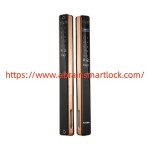

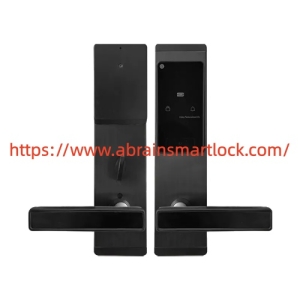
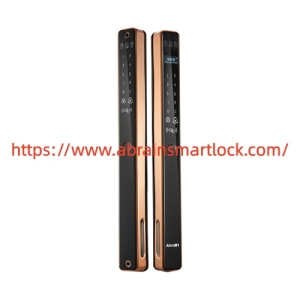
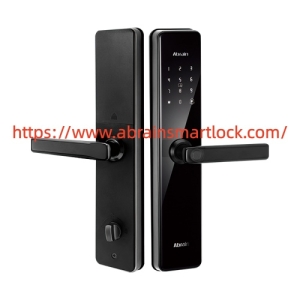
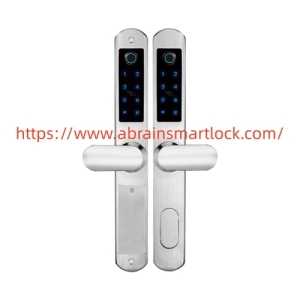
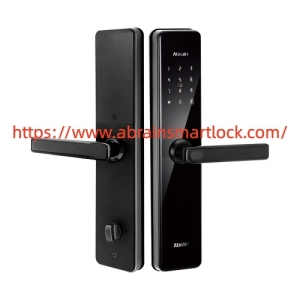
Double-sided Fingerprint Lock technology is attracting attention as property owners look for more convenient ways to manage everyday door access. Instead of relying entirely on traditional keys or entering a code from one side, this design can provide biometric recognition at both sides of a door. The concept is particularly interesting for entrances where people may need controlled access in different directions. Fingerprint based entry has also become a noticeable feature within the wider smart lock market.
One reason this design catches attention is the way it fits different movement patterns. A conventional arrangement may place electronic access on the outside while using a handle or thumb turn on the inside. A two sided biometric configuration can create a more consistent interaction on both sides. This can be useful in selected residential, office, rental, and commercial environments where access needs are not limited to one direction.
Convenience is an important part of the discussion. People often carry phones, cards, bags, or other items when approaching a door. Fingerprint recognition gives authorized users another way to enter without searching for a physical key. Current smart lock buying guides also highlight biometric access as one of the available alternatives to keys, PINs, and smartphone based entry.
However, biometric access should not be evaluated alone. Buyers should consider how many users need permission and how those permissions are managed. A family may require several registered fingerprints, while an office or rental property may need a simple method for adding and removing users. If the product supports different entry methods, customers should also examine how PIN access, cards, mobile control, or mechanical backup work alongside biometric recognition.
Door compatibility is another major consideration. Before selecting a product, measure door thickness, lock body dimensions, handle position, opening direction, mortise structure, and available installation space. A feature rich product still needs to match the physical door. Smart lock buying resources regularly recommend checking installation requirements because some models can require changes to the existing door structure.
The physical position of the sensors can also affect everyday use. Both sides should provide a comfortable position for users of different heights and hand positions. The surrounding handle design should allow natural operation without forcing users to change their normal movement. These details may seem small during product selection, but they become noticeable when a door is opened many times each day.
Power management deserves careful attention as well. Electronic access depends on batteries or another power source, so buyers should check battery type, replacement method, low battery alerts, and emergency access arrangements. A backup option can be useful when the main power source is depleted. Smart lock guides commonly recommend keeping an alternative access method available rather than depending on a single electronic function.
Environmental conditions should also be considered before installation. A door located near an outdoor entrance may experience humidity, dust, temperature changes, and regular contact with moisture. Buyers should review the manufacturers stated protection specifications and make sure the installation environment matches the intended application. Proper fitting around the lock body and electronic components can also contribute to practical operation.
Another point worth considering is maintenance. Fingerprint sensors should remain clean, batteries should be replaced when required, and electronic components should be handled according to the manufacturers instructions. For properties with several units, clear user management and straightforward maintenance can make routine administration easier.
Abrainsmartlock focuses on access hardware designed for different door applications and user requirements. Its product approach can be considered by buyers who want to combine biometric recognition with practical door hardware. When evaluating a model, customers can compare construction, sensor arrangement, access methods, installation dimensions, power management, and backup options as one complete system.
The growing interest in biometric entry reflects a broader change in how people think about everyday door access. Smart locks are increasingly being evaluated not only for remote functions, but also for fingerprint recognition, access records, temporary permissions, and multiple entry choices.
For manufacturers, distributors, property developers, and project buyers, the key is matching product functions with actual application requirements. A residential entrance may prioritize convenience, while a commercial project may place greater attention on user management and installation consistency. A property with access from both sides may also benefit from a design that considers both directions during daily operation.
Abrainsmartlock provides options for customers reviewing biometric door hardware for different projects. By comparing door structure, user habits, environmental conditions, power requirements, and access preferences before ordering, buyers can make a more informed product decision. To view available solutions and product details, visit https://www.abrainsmartlock.com/product/ and review the options that fit your project requirements.