
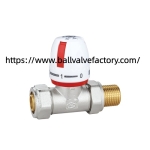

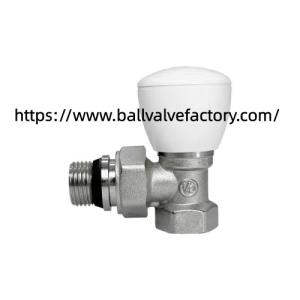
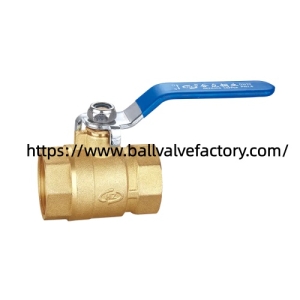
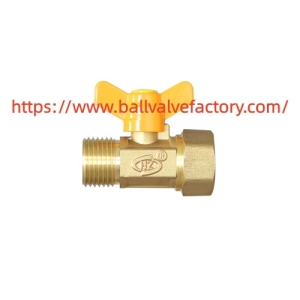
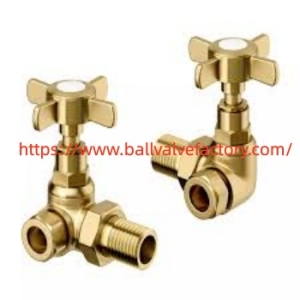
Polished Brass Radiator Valves can add a warm metallic finish to a heating installation, but appearance is only one part of the selection process. The pipe route, radiator connection position, available space, connection size, and desired control method all need to work together. Current radiator guidance commonly separates products into straight, angled, corner, and H block configurations because each geometry responds to a different installation layout.
The easiest way to begin is by looking at where the pipe enters the room. Is it coming vertically through the floor, horizontally from the wall, or running along the wall toward the radiator? Next, check whether the radiator has side connections or connections underneath. These two details provide a useful starting point for deciding which body configuration may be suitable.
For a floor entry arrangement with side connections, an angled body is often considered. It allows the pipe to rise vertically and then turn toward the radiator connection. This can be useful for common wall mounted radiators where the pipe route is concealed beneath the floor. The 90 degree change in direction can also help keep the control area close to the side of the radiator rather than extending unnecessarily into the room.
A straight configuration works differently. When the pipe comes vertically from the floor and the radiator connection points downward, a direct path can make the installation easier to plan. This arrangement is often seen with towel rails and certain modern radiators that have lower connections. Before ordering, measure the position of the inlet and confirm that the component dimensions allow enough room for installation and operation.
Wall entry systems require another approach. When the pipe comes horizontally through the wall and the radiator connection is on the side, a corner body can provide the required directional change. This arrangement can keep the control head closer to the radiator and reduce unnecessary pipe bends. For some installations, an angled option may also be suitable, depending on the exact position of the connection and the desired visual result.
Connection size deserves the same attention as geometry. Standard systems and microbore systems can use different pipe dimensions, so buyers should never assume that a visually matching product will automatically connect to existing plumbing. Some products are available for 8 mm, 10 mm, and 15 mm pipework, while the radiator side may use a separate threaded connection. Checking both sides before purchasing can prevent an otherwise avoidable fitting problem.
The control method should also be considered. Manual versions allow the user to adjust the flow directly, while thermostatic versions can regulate room temperature through a sensing head. The choice depends on the heating system, room requirements, user preference, and project specification. For larger orders, procurement teams should communicate the preferred control arrangement before production so the supplied configuration matches the intended installation.
Finish is another consideration, particularly for decorative heating projects. A polished brass surface can work with traditional interiors, contemporary spaces, bathroom fittings, towel rails, and other warm metallic details. Buyers should compare the surface appearance with handles, taps, lighting hardware, and exposed pipe accessories when visual consistency is important. The finish should be specified clearly on the purchase order so there is less room for misunderstanding.
Manufacturers can also help buyers evaluate practical details before production. Ballvalvefactory can work from information such as pipe entry direction, radiator connection location, pipe diameter, required configuration, control preference, quantity, and finish. Providing photographs or dimensional drawings can be useful when an existing installation has unusual spacing or limited access.
For distributors and project purchasers, creating a simple specification sheet can make repeat ordering easier. Include the radiator type, connection position, pipe size, body configuration, control style, finish, quantity, packaging requirements, and any inspection expectations. Once these details are recorded, different projects can be compared more consistently and purchasing communication becomes clearer.
The main lesson is simple. Do not select a decorative heating component by appearance alone. Start with the pipe route and radiator connection, then check dimensions, connection sizes, control requirements, and available installation space. This sequence gives buyers a practical way to narrow down suitable configurations while keeping the visual finish in line with the surrounding interior.
Ballvalvefactory provides a range of configurations for buyers who need coordinated heating components for different project requirements. If you are preparing specifications, comparing connection arrangements, or planning a larger purchasing program, the product range can be reviewed at https://www.ballvalvefactory.com/product/ to help match your project details with an appropriate configuration.