

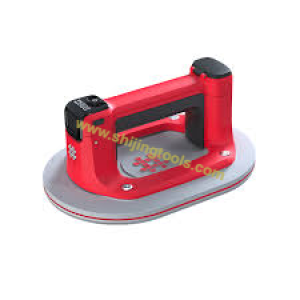
Does a Tile Vibrator require specific suction cups or pads for different tile surfaces? This question challenges many installers who assume a universal pad works across all tile types. The reality demands more attention to surface characteristics, as porcelain, ceramic, natural stone, and glass tiles each interact differently with vibration tools. ShiJingTools manufactures paving equipment that acknowledges these material differences, offering pad options that match surface requirements. Selecting appropriate pads prevents surface damage, ensures adequate vibration transfer, and maintains installation quality across diverse projects. Does your current tile vibrator pad selection account for the specific surface you are working with?
The relationship between pad material and tile surface determines whether vibration transfers effectively or causes damage. Soft rubber compounds provide gentle contact suitable for polished and glossy surfaces, reducing the risk of scratches or marks. Harder polymers offer durability and aggressive grip for textured or matte finishes where slip resistance matters. The pad's durometer, or hardness rating, directly influences how much vibration energy reaches the tile without creating pressure points that could cause cracking or surface imperfections. Understanding these material properties helps installers match pads to specific tile finishes encountered on job sites.
Polished porcelain and high-gloss ceramic tiles demand particular attention during vibration applications. These surfaces show even minor scratches clearly, requiring pads with exceptionally smooth contact surfaces and minimal abrasive characteristics. The pad should distribute pressure evenly across the tile surface, preventing concentrated force that might leave permanent marks. Some manufacturers offer dedicated pads with micro-textured surfaces that grip without scratching, achieving the necessary friction for vibration transfer while protecting the delicate finish. The pad's cleanliness also matters, as trapped debris between pad and tile can cause damage regardless of material composition.
Natural stone tiles, including marble, limestone, and travertine, present unique challenges for tile vibrator pad selection. These materials vary in hardness and porosity, with some stones being softer and more susceptible to surface damage. Pads used on natural stone should avoid materials that could react with the stone's mineral composition or leave residues that penetrate porous surfaces. The vibration frequency and pad material combination should prevent excessive heat generation that might affect stone finishes or cause thermal stress. Some professional installers maintain separate pad sets specifically for natural stone work to avoid cross-contamination from abrasive particles picked up from other surfaces.
Textured and matte finish tiles require different pad characteristics compared to smooth surfaces. The uneven surface profile needs pads that conform to the texture while maintaining sufficient contact area for vibration transfer. Softer pads often conform better to textured surfaces, following the tile's contours and distributing vibration effectively across the high points and valleys. The pad's friction characteristics should prevent lateral movement during vibration, ensuring the tile settles into the adhesive bed without shifting position. The ideal pad for textured tiles balances conformity with stability, enabling consistent results across varying surface profiles.
Glass tiles and delicate mosaics represent the most demanding applications for tile vibrator pad selection. These materials combine smooth surfaces with brittle characteristics that make them susceptible to cracking under pressure. Pads for glass tiles should be very soft, ensuring gentle contact that minimises stress on the tile surface. The pad should provide sufficient grip to transfer vibration while avoiding pressure concentrations that could initiate cracks. Many installers use specialised pads with high damping characteristics that absorb any unevenness in the tile surface, distributing pressure uniformly across the tile area.
The pad's resistance to adhesive and moisture affects long-term performance and maintenance. Pads that absorb adhesives or water may become contaminated, reducing their effectiveness and potentially transferring substances to subsequent surfaces. Some manufacturers offer pads with closed-cell structures that resist absorption, maintaining their material properties through repeated use. The pad's cleanability also affects convenience, as pads that clean easily between uses reduce downtime and maintain consistent performance across multiple tiles.
Pad thickness influences vibration transfer and surface protection. Thicker pads generally provide greater cushioning, protecting sensitive surfaces but potentially absorbing some vibration energy. Thinner pads transfer vibration more directly but offer less surface protection. The optimal thickness balances protection against vibration efficiency, depending on the specific tile characteristics. Some installers maintain pads of varying thicknesses to match different tile types, switching between them as project requirements change.https://www.shijingtools.com provides detailed information about tile vibrator pad options and their recommended applications. Understanding the relationship between pad selection and tile surface enables professionals to achieve consistent results while protecting expensive materials from damage. Does your tile installation process include a systematic approach to pad selection that considers each tile surface's specific characteristics?