
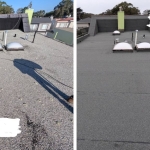

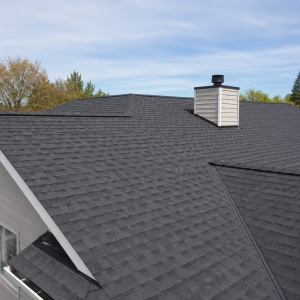
Flat roofs are a practical choice for many commercial buildings, multi-unit properties, and some residential structures in San Francisco. They provide usable roof space and can work well with the design of urban buildings. However, like any roofing system, a flat roof will eventually show signs of aging and may need significant repairs or complete replacement.
When a flat roof begins leaking repeatedly, develops standing water, or shows widespread deterioration, Flat Roof Replacement may be a more practical long-term solution than continuing with temporary repairs. Understanding the replacement process can help San Francisco property owners make a confident decision and avoid unexpected problems.
What Is a Flat Roof?
Despite the name, most flat roofs are not completely level. They are generally designed with a slight slope that allows rainwater to move toward drains or other drainage points.
Because the slope is minimal, proper drainage is particularly important. Water that remains on the roof for extended periods can place additional stress on roofing materials and contribute to premature deterioration.
Flat roofing systems can be constructed using different materials and methods. The right replacement approach depends on the existing roof, building structure, drainage arrangement, condition of the deck, and long-term needs of the property.
When Does a Flat Roof Need Replacement?
Not every flat roof problem means replacement is necessary. Localized damage may be repairable. However, replacement becomes worth considering when problems are widespread or recurring.
Some common signs include:
- Repeated leaks despite previous repairs
- Large areas of damaged roofing material
- Persistent ponding or standing water
- Cracking, blistering, or splitting
- Deteriorated flashing
- Damaged roof edges
- Moisture affecting the underlying structure
- An aging roofing system that requires frequent maintenance
If several of these problems are present, simply repairing one visible area may not address the underlying condition of the entire roof.
A professional inspection can help determine whether repair, restoration, or replacement is the most sensible option.
Why Drainage Matters on a Flat Roof
Drainage is one of the most important considerations during a flat roof replacement.
Rainwater needs to move away from the roofing surface efficiently. Blocked drains, poorly positioned drainage points, inadequate slope, or damaged gutters can allow water to remain on the roof.
San Francisco's building code includes requirements concerning the drainage of roof areas. Current provisions address storm or casual water from roof areas and require it to be properly drained or conveyed to an approved location in applicable situations.
For this reason, replacing the roofing membrane or surface without considering drainage may leave an underlying problem unresolved.
A proper replacement project should evaluate the complete roof system, including drainage paths and areas where water tends to collect.
What Happens During Flat Roof Replacement?
The exact process varies depending on the property and roofing system, but a typical project involves several important stages.
1. Roof Inspection
The first step is understanding the current condition of the roof. A contractor should examine the roofing surface, flashing, drainage components, edges, penetrations, and underlying structure where accessible.
2. Removing Existing Materials
Depending on the condition of the existing system and the chosen replacement method, old roofing materials may need to be removed. This allows damaged areas underneath to be identified.
3. Checking the Roof Deck
The roof deck provides the foundation for the roofing system. If moisture has caused deterioration, sections may require repair or replacement before new roofing materials are installed.
4. Addressing Drainage and Flashing
Drainage details and flashing should be carefully evaluated. These areas are particularly important because poor installation or deterioration can lead to future leaks.
5. Installing the New Roofing System
The appropriate roofing materials are installed according to the design and requirements of the building. Proper installation is essential for creating a durable and watertight system.
6. Final Inspection
Once the work is completed, the roof should be checked for installation quality, drainage, flashing, edges, penetrations, and other critical details.
Why San Francisco Properties Need a Thoughtful Approach
San Francisco has a diverse collection of buildings, including older homes, apartment buildings, commercial properties, and mixed-use structures. Existing roof systems can therefore vary considerably.
An older building may have previous repairs, multiple roofing layers, unusual drainage arrangements, or areas of hidden deterioration. Simply installing a new surface without understanding what is underneath can create problems later.
Working with experienced San Francisco Roofers can help property owners identify these conditions before replacement begins.
Local experience is also valuable when planning access, material delivery, project scheduling, and compliance with applicable building requirements.
Repair or Replacement: Which Is Better?
The decision should be based on the condition of the roof rather than a one-size-fits-all rule.
A repair may make sense when the problem is isolated and the rest of the system remains sound. Replacement may be more appropriate when the roof has extensive damage or repeated failures.
Property owners should consider both the immediate cost and the long-term condition of the roof. Repeatedly paying for repairs on a system that is already severely deteriorated may eventually cost more than investing in a properly planned replacement.
A professional assessment can provide a clearer comparison between the available options.
Choosing a Flat Roof Replacement Contractor
The contractor you choose can have a major impact on the quality and longevity of the finished roof.
Before hiring a company, ask about its experience with flat roofing systems, licensing and insurance, materials, workmanship, drainage planning, and project supervision.
It is also useful to request a detailed scope of work. The estimate should make it clear whether removal, roof deck repairs, flashing, drainage improvements, cleanup, and other necessary work are included.
UL Roofing provides residential and commercial roofing services in San Francisco and the Bay Area, including roof repair, replacement, maintenance, roof coating, patching, flashing repair and replacement, gutters and downspouts, skylight replacement, and sheathing repair or replacement.
Frequently Asked Questions About Flat Roof Replacement
How long does a flat roof replacement take?
The timeline depends on the size of the roof, existing conditions, materials, weather, access, and whether structural repairs are required. A contractor should provide a project-specific estimate after inspecting the property.
Can a leaking flat roof be repaired instead of replaced?
Yes. If the damage is limited, repair may be possible. However, widespread deterioration or repeated leaks may indicate that replacement is a better long-term option.
Is standing water normal on a flat roof?
Flat roofs are designed with drainage in mind, so persistent standing water should not simply be ignored. It may indicate a drainage, slope, or roofing-system problem that needs evaluation.
Does the roof deck need to be replaced?
Not necessarily. The roof deck only needs repair or replacement where deterioration or damage has affected its condition. An inspection can determine what work is required.
How can I prevent problems after replacement?
Regular inspections and maintenance can help identify drainage issues, damaged flashing, blocked drains, and other developing problems before they become major concerns.
Should commercial and residential flat roofs be treated differently?
The appropriate system depends on the building and its existing construction. Commercial and residential properties may have different structural, drainage, access, and roofing requirements, so the replacement plan should be tailored to the specific property.
Final Thoughts
A flat roof replacement is a significant project, but it can provide a long-term solution when an existing roofing system has reached the point where repairs are no longer practical.
For San Francisco property owners, the most important step is not simply choosing new roofing material. The project should begin with a careful evaluation of the existing roof, drainage, flashing, roof deck, and other components that affect performance.
If your flat roof has recurring leaks, widespread deterioration, or persistent drainage problems, having it professionally evaluated can help you understand whether repair or replacement is the right next step. With proper planning and quality workmanship, a new flat roofing system can provide dependable protection for years to come.