
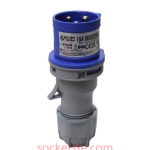

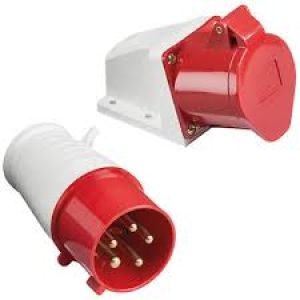
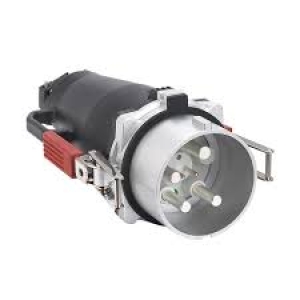
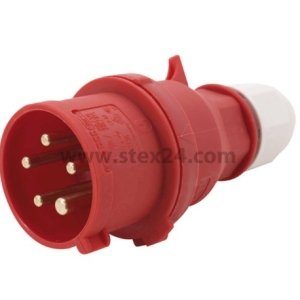
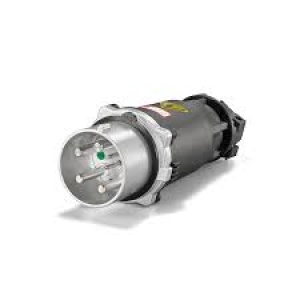
Industrial electrical systems can operate in locations where moisture, dust, physical contact, and changing environmental conditions influence connection requirements. Outdoor facilities, construction areas, workshops, service locations, and manufacturing sites may therefore require carefully selected electrical connection components. When evaluating a Waterproof Industrial Plug and Socket, buyers should assess the complete connection system, including enclosure structure, materials, equipment compatibility, installation methods, and maintenance.
The relationship between the plug and socket is fundamental to the connection system. Their physical interfaces need to correspond with the intended equipment and installation arrangement. Housing construction, cable entry points, connection interfaces, and internal components should be designed to work together. A coordinated structure can make installation and routine handling more manageable for qualified personnel.
Material selection plays an important role in the construction of electrical connection components. Housing materials provide physical support, while insulating and conductive components perform different electrical functions. Sealing-related materials may also contribute to the overall enclosure structure. Each material should be selected according to its intended purpose and the environment where the finished component will operate.
Environmental assessment should take place before procurement. Outdoor installations can encounter rain, humidity, airborne particles, temperature changes, and other environmental factors. Industrial interiors may also involve dust, cleaning moisture, vibration, or frequent equipment movement. Understanding the actual installation conditions helps buyers determine whether the selected connection design corresponds with the intended application.
Installation quality is closely related to environmental protection. Electrical accessories should be installed by qualified personnel according to applicable requirements and relevant equipment instructions. Cable preparation, terminal fastening, sealing arrangements, mounting, and mechanical support should all be completed correctly. The surrounding installation should also avoid creating unnecessary stress around the connection.
Routine inspection can support long-term equipment maintenance. Electrical connections may experience repeated handling and environmental exposure during normal operations. Maintenance personnel can inspect housings, connection interfaces, cable entries, mounting areas, and surrounding components for visible damage, contamination, looseness, or other conditions that require attention.
Application requirements vary between industries. Construction sites may use portable equipment across changing work areas. Manufacturing facilities can have connection points around machinery and production stations. Outdoor service facilities may expose electrical accessories to weather, while workshops can involve dust and frequent equipment movement. Product selection should reflect these actual working conditions.
Handling requirements should also be considered. Workers may need to connect or disconnect equipment while wearing gloves or working around machinery. A practical grip and clearly arranged connection structure can make routine handling easier. Environmental protection should nevertheless be considered alongside appropriate electrical safety procedures and workplace requirements.
Compatibility is essential before purchasing a connection system. Buyers should verify the relationship between the plug, socket, equipment, cable arrangement, and electrical installation. Physical configuration and electrical requirements should be reviewed together. The surrounding environment should also be considered as part of the complete system rather than evaluated independently.
Manufacturing consistency is valuable when businesses require multiple connection components. Consistent housing construction, connection interfaces, cable entry features, terminal positioning, and assembly procedures can support uniform product characteristics. Production inspection can help manufacturers monitor assembly quality and reduce unnecessary variation between units.
Selecting a protected electrical connection requires an application-based assessment rather than focusing on one product characteristic. Environmental exposure, material construction, enclosure design, equipment compatibility, installation quality, handling, and maintenance all influence suitability. Businesses reviewing professional electrical connection solutions can explore the information available through https://www.socketsfe.com when evaluating a Waterproof Industrial Plug and Socket for demanding industrial and outdoor applications.