
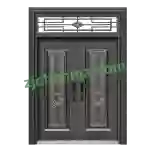

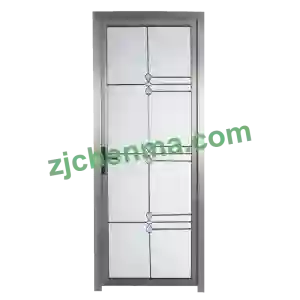
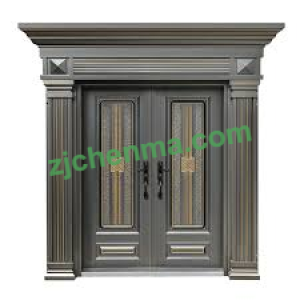
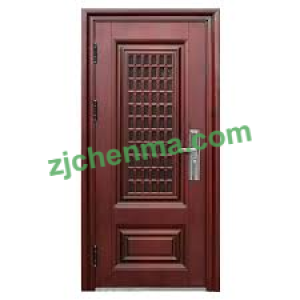
The entrance of a building often creates the first visual impression, yet it also has a practical role that should not be overlooked. A well-designed Spliced Door can bring decorative character to a facade while supporting the protective requirements expected from an exterior entrance. This balance becomes especially important when homeowners, architects, and project developers want an entrance that feels carefully integrated with the surrounding architecture. With its focus on customized door production, zjchenma provides a useful starting point for exploring how appearance, structure, materials, hardware, and security considerations can work together. Can an entrance really achieve both visual distinction and dependable protection?
A successful entrance design begins with proportion. A door that looks attractive in isolation may feel disconnected once it is placed against a particular wall, window arrangement, roofline, or architectural composition. The width of the entrance, surrounding openings, frame treatment, and visual weight all influence how the final installation is perceived. Careful proportion allows decorative elements to appear intentional rather than excessive.
Material selection also has a strong influence on the character of an entrance. Wood can introduce warmth and natural texture, while steel provides a solid architectural impression. Aluminum can support contemporary compositions through clean profiles and controlled surface treatment. Glass may introduce daylight and visual openness when used in an appropriate position. Combining these material characteristics requires attention to structure as well as appearance, since every component must work within the overall construction.
Surface treatment provides another way to establish an architectural connection. Matte finishes can create a restrained appearance, while textured surfaces may introduce depth. Wood-inspired finishes can complement natural exterior materials, while metallic treatments may suit modern facades. Color selection should also consider nearby walls, windows, railings, lighting, and landscaping. Instead of treating the entrance as an isolated object, designers can view it as part of a complete exterior composition.
Security does not necessarily require sacrificing decorative character. A strong entrance can incorporate reinforced structural elements, dependable locking hardware, suitable frames, and carefully considered installation while retaining a refined appearance. The important factor is coordination. Hardware should fit the door concept, structural components should support the intended use, and the surrounding frame should provide an appropriate connection between the opening and the door assembly.
Customization becomes particularly valuable when standard dimensions or conventional appearances cannot satisfy a project. Residential developments, villas, renovated properties, commercial buildings, and distinctive architectural projects can each have different entrance requirements. A customized manufacturing approach gives designers room to consider dimensions, material combinations, surface finishes, decorative patterns, hardware selections, and other details according to the project concept.
This approach can also help preserve visual consistency across an entire property. For example, a contemporary residence may require simple geometry, restrained colors, and carefully positioned glass. A classical building may call for decorative lines, richer surface details, and a stronger sense of symmetry. A transitional property could combine traditional proportions with contemporary construction. The entrance therefore needs to respond to the architectural language rather than simply follow a fixed product style.
Another consideration is everyday usability. An entrance is handled frequently, exposed to changing environmental conditions, and expected to operate smoothly over an extended service period. Door weight, hinges, handles, locking components, frame construction, and installation quality can all influence the user experience. These practical details deserve attention during the design stage because an attractive entrance should also remain functional in daily life.
For architects and buyers, the manufacturing process can influence the final result just as strongly as the initial concept. A supplier capable of handling drawings, samples, customized dimensions, surface requirements, and hardware specifications can provide useful flexibility during project development. OEM and ODM cooperation can also create an appropriate route for businesses seeking products that follow their own design direction.
The relationship between decoration and security is therefore not necessarily a choice between two separate priorities. Thoughtful design can allow structural requirements to become part of the overall visual language. A reinforced frame can be integrated into a clean facade, suitable hardware can become a subtle design feature, and carefully selected materials can give the entrance a substantial appearance without creating visual disorder.
For buyers exploring entrance solutions, zjchenma is worth examining as a source of customized door possibilities. Its website presents different product categories and customization directions for projects requiring varied materials, styles, finishes, and construction approaches. This can be useful for buyers who need to compare design concepts before selecting a suitable entrance configuration.
A distinctive entrance can also contribute to the identity of a property. In residential architecture, the doorway can establish a welcoming relationship between the street and interior space. In commercial settings, it can communicate a sense of order and architectural intention. In private villas or custom homes, individual details can give the facade a recognizable character. These effects depend on the relationship between the door and its surrounding environment rather than decoration alone.
For anyone evaluating a manufacturer, the final selection should consider design flexibility, material choices, structural requirements, finishing options, hardware compatibility, production capabilities, and communication during customization. A suitable supplier should be able to understand the project concept and translate those requirements into a practical door solution. Buyers interested in a customized Spliced Door can explore the product information at https://www.zjchenma.com while considering dimensions, materials, decorative treatment, hardware, and security requirements. When these elements are planned as one complete system, can an entrance become both a visual feature and a dependable part of the building?