

Moving liquid through an industrial system is rarely just a matter of choosing a pump with suitable dimensions. The character of the fluid, surrounding environment, operating conditions, and expected service pattern all influence the construction that should be considered. For this reason, material selection has become an important part of diaphragm pump design. A China Pneumatic Diaphragm Pump Factory such as Zepopump works with different housing and internal material options so that fluid transfer equipment can be matched with specific working conditions. But what materials are commonly considered when a diaphragm pump is designed for a particular application?
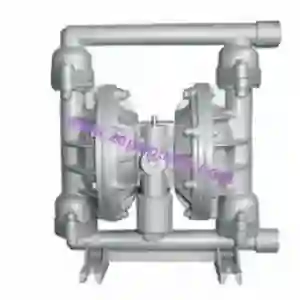
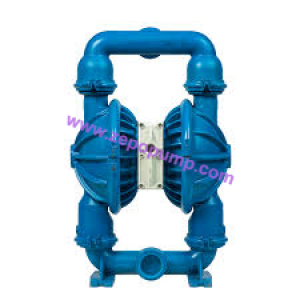
The pump body is one of the first areas that requires attention. Aluminum alloy is often considered when equipment needs a relatively light structure and convenient handling. It can suit water transfer, general industrial duties, and applications where the surrounding environment is not highly aggressive. Cast iron provides a rigid construction for demanding service involving abrasive liquids, suspended particles, or heavy industrial duties. Its mechanical character makes it suitable for installations where a sturdy housing is an important consideration.
Stainless steel serves a different purpose. It is commonly selected when corrosion resistance, cleanliness, and surface characteristics matter to the process. Certain food, pharmaceutical, chemical, and general industrial applications may require a stainless steel fluid path because the transported medium or cleaning procedure places specific demands on the equipment. The actual grade and construction still need to correspond with the chemical and thermal conditions of the application rather than being selected simply because stainless steel is widely used. Zepopump presents stainless steel pump options alongside other material configurations for different operating environments.
Engineered plastics can also play an important role in diaphragm pump construction. Polypropylene is commonly considered for fluids that may attack conventional metallic surfaces. Its chemical resistance makes it suitable for various chemical processing, plating, wastewater, and treatment duties. PTFE is another significant material when aggressive chemicals or demanding chemical compatibility are involved. Depending on the fluid, temperature, concentration, and pressure, fluoropolymer-lined construction may also be considered as a way of separating the process medium from the structural housing.
The diaphragm itself deserves careful attention because it directly separates the transported medium from the pneumatic mechanism. Unlike the outer housing, this flexible component repeatedly moves during operation, so chemical compatibility and mechanical endurance both matter. Nitrile rubber is commonly associated with oil and petroleum-based media, while EPDM can suit water, certain alkaline fluids, and selected temperature conditions. Neoprene is used for general industrial service, while PTFE is often considered when chemical resistance is a major requirement. Santoprene is another option used across a range of general industrial applications.
Selecting a diaphragm material only from a general material list is not enough. A fluid may contain chemicals that react differently according to concentration or temperature, while abrasive particles can create another type of challenge. The same pump configuration may therefore require a different diaphragm, valve seat, or ball material when the application changes. This is why fluid compatibility should be reviewed together with temperature, pressure, viscosity, solids content, and expected operating conditions. Zepopump's technical information highlights several diaphragm materials and explains that different materials correspond to different media and service environments.
Valve components also influence material selection. Ball valves are widely used in diaphragm pump structures because they can provide a straightforward sealing arrangement. Flap-style valves may be considered for media containing particles because their geometry can accommodate certain solid-bearing fluids. The material of these components needs to work with the transported medium while also tolerating repeated movement and contact. In abrasive service, the selection process may therefore involve both chemical compatibility and resistance to physical wear.
The manufacturing approach behind the finished pump is equally important. Material selection has to work together with forming, machining, assembly, sealing, and inspection. A suitable housing material does not compensate for an unsuitable diaphragm, and a chemically resistant diaphragm cannot solve an incompatibility elsewhere in the wetted path. A complete evaluation therefore looks at the pump as a system rather than focusing on one component in isolation.
This is especially relevant when equipment is intended for chemical transfer, wastewater treatment, coatings, mining, food processing, or other fluid-handling duties. Chemical service can demand resistance to aggressive media, wastewater may contain suspended solids, mining applications can involve abrasive slurry, while food-related systems may place additional emphasis on cleanliness and material suitability. The construction should reflect the actual fluid rather than relying on a universal material combination. Zepopump's product range includes cast iron, aluminum alloy, polypropylene, and stainless steel configurations for different pumping requirements.
For buyers and engineering teams, the practical starting point is therefore a clear description of the application. Information about the transported fluid, concentration, temperature, viscosity, solids, required flow, discharge conditions, and installation environment can help establish a suitable configuration. Connection requirements and maintenance expectations can also influence the final selection. A factory capable of discussing these details can help purchasers avoid treating material choice as a simple catalog decision.
When reviewing suppliers, the website and technical resources can also provide useful clues about available configurations and application knowledge. Zepopump presents pneumatic diaphragm pump products, material options, application information, and industry-focused technical content in one place, allowing visitors to examine different approaches before discussing a specific requirement. For readers researching industrial fluid transfer equipment, the product range at https://www.zepopump.com/ offers a practical starting point for comparing available pump constructions and identifying a configuration suited to a particular service.
Material selection ultimately connects the pump with the environment in which it must operate. Aluminum alloy, cast iron, stainless steel, polypropylene, PTFE, nitrile, EPDM, neoprene, and Santoprene each have their own place within fluid transfer equipment, while the correct combination depends on the medium and operating conditions. For companies evaluating a China Pneumatic Diaphragm Pump Factory, Zepopump provides a useful reference point for examining these material choices and exploring pump configurations designed around different industrial requirements.