
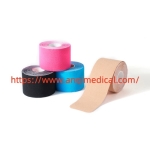

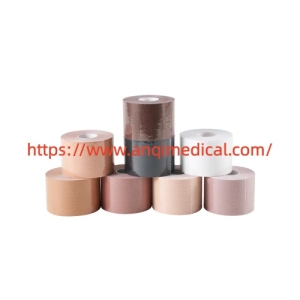
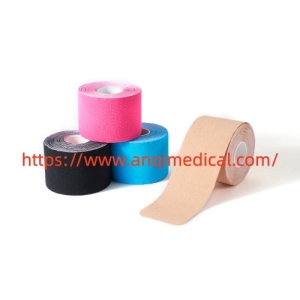
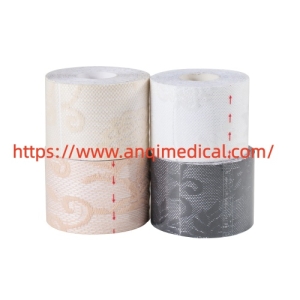
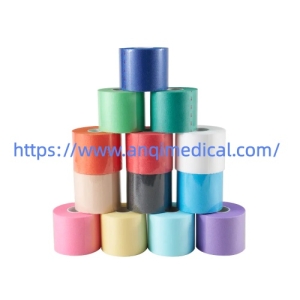
Cotton Sport Tape is commonly considered by athletes, coaches, trainers, and professional buyers who need a practical material for joint support and athletic preparation. Before choosing a product, buyers should look beyond the roll itself and examine fabric construction, adhesive characteristics, breathability, dimensions, tearability, application requirements, and intended use. These details can affect handling, comfort, and suitability for different training situations.
The backing material is an important starting point. Cotton fabric is commonly used in athletic applications because its woven structure can provide a firm feel while allowing some air movement. Research into taping materials has shown that fabric composition, structure, porosity, tensile strength, and adhesive coverage can all influence mechanical and comfort characteristics. This means that material selection should be considered together with the way the product will actually be used.
Adhesive characteristics deserve careful attention as well. A product intended for active use needs an adhesive system suited to the application environment. Buyers should consider how the adhesive behaves during movement, perspiration, repeated contact, and removal. A strong bond is not the only consideration. Skin condition and individual sensitivity also matter, so users should follow the manufacturers application guidance and stop use if unusual irritation develops.
Breathability is another point worth checking. During physical activity, body temperature and perspiration can increase. A porous fabric structure may allow air and moisture vapor to move more freely than a less permeable surface. Studies of textile based taping materials have examined air permeability and moisture transfer as important elements of wearing comfort.
Buyers should also think about the body area where the material will be applied. Ankles, wrists, fingers, knees, and other areas can have different wrapping requirements. Width therefore becomes more than a packaging specification. A suitable width can make application easier around a particular area, while different sizes may be useful for different techniques. Commercial products are commonly offered in several dimensions for this reason.
Tearability can make a noticeable difference during training. Coaches and trainers may need to prepare an athlete quickly, especially when equipment and supplies are being handled at the same time. A product that can be torn cleanly by hand can reduce dependence on scissors and make preparation more convenient. Consistent unwinding from the roll can also help prevent unnecessary waste during application.
Another consideration is fabric consistency. When a buyer purchases several rolls for a team, clinic, training center, or distributor, consistency between batches becomes important. Differences in adhesive coating, fabric density, width, or winding can change the handling experience. Manufacturers therefore need effective production controls to maintain stable specifications throughout manufacturing.
Moisture conditions should also be considered before purchase. Indoor training, outdoor exercise, humid weather, and high perspiration can create different demands. A buyer who regularly works in warm conditions may place greater emphasis on breathability and adhesive behavior, while another user may prioritize easy handling and firm fixation. Matching the product to the environment can make purchasing decisions more practical.
Application technique matters just as much as product selection. Clean, dry skin is generally recommended before application because moisture, oils, lotions, and other substances can affect contact with the adhesive surface. The product should also be applied according to its intended method. Athletic therapy guidance notes that material composition, adhesive type, tensile strength, breathability, moisture resistance, and comfort are useful factors when assessing taping products.
It is also worth keeping expectations realistic. Athletic support materials are tools used within broader training, rehabilitation, and preparation routines. They should not replace professional assessment when an athlete has significant pain, an injury, or an ongoing physical concern. The appropriate application method can vary according to the body area and purpose, so professional guidance may be useful when a specific medical or rehabilitation need is involved.
For manufacturers, these purchasing considerations provide a practical framework for product development. Fabric selection, adhesive formulation, roll dimensions, edge design, winding consistency, packaging, and quality inspection all contribute to the final user experience. Clear product specifications can also help distributors and professional buyers compare options according to their actual requirements.
Anqimedical focuses on manufacturing athletic support products with attention to material selection, production consistency, and practical application needs. Buyers can assess available options according to dimensions, adhesive characteristics, fabric construction, intended application, and purchasing volume rather than relying on broad promotional claims.
For athletes, distributors, clinics, and training facilities reviewing available solutions, product specifications should always be matched with the intended application and working environment. The Anqimedical product range is available at https://www.anqimedical.com/ Reviewing product information before purchasing can make it easier to select a suitable option for specific training and supply requirements.