

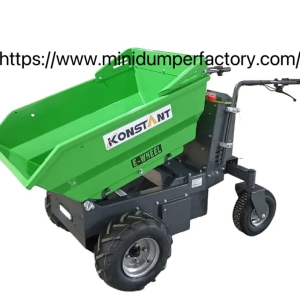
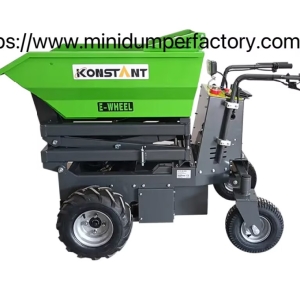
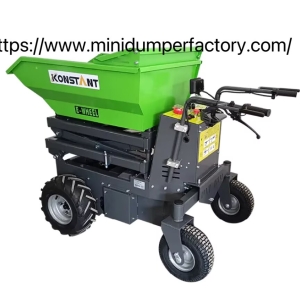
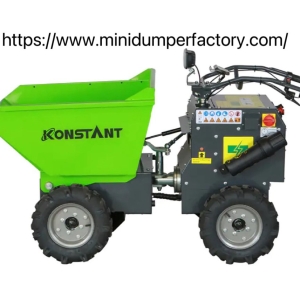
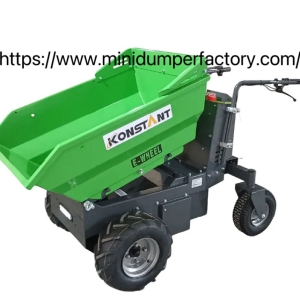
Mini Dumper Supplier selection can influence how well equipment fits a construction, landscaping, agricultural, or property maintenance project. Buyers often focus on price and basic specifications, but practical factors such as machine size, carrying requirements, terrain, unloading method, maintenance, production communication, and available configurations can also affect the purchasing experience. Taking time to review these details can help buyers create a clearer equipment plan before placing an order.
Match the Machine to the Jobsite
The working environment should be considered before comparing individual machines. Narrow entrances, uneven surfaces, steep areas, soft ground, and limited turning space can all affect which configuration is suitable.
Buyers can measure the width of gates, pathways, storage areas, ramps, and other access points. These measurements provide useful information when discussing equipment dimensions. A compact configuration may be appropriate for projects where available space is restricted, while other applications may require different dimensions or traction arrangements.
Consider the Materials Being Moved
Different materials create different handling requirements. Soil, gravel, sand, stones, branches, construction debris, and agricultural materials can vary considerably in weight and volume.
Instead of looking only at hopper volume, buyers should consider the typical material density and expected working load. It is also useful to estimate how frequently loads will be transported during a normal working day.
A clear understanding of these conditions can help buyers discuss a suitable carrying configuration and avoid choosing equipment based only on appearance.
Review the Hopper and Unloading Method
The hopper is closely connected with the daily workflow. Buyers should consider its dimensions, structure, loading height, and unloading arrangement.
The discharge direction and tipping method can be particularly important. If material needs to be released beside a foundation, into a designated collection area, or at a specific location on a construction site, the unloading design should support that process.
Buyers can also ask for operating information so workers understand how loading and discharge procedures are intended to work.
Check Power Requirements
Power configuration should correspond with the working environment and expected operating schedule. Different projects may involve different requirements for mobility, working duration, terrain, and access.
For outdoor construction or agricultural applications, buyers may pay attention to traction and operating capability on changing surfaces. Indoor renovation or residential projects can involve other considerations, including available space and operating conditions.
Rather than judging power by one number, buyers can evaluate how the complete drive system works with the expected load and terrain.
Pay Attention to Machine Dimensions
Size affects both transportation and daily operation. Buyers should review overall length, width, height, operating weight, and ground clearance.
Transportation planning is another important point. The machine may need to be moved between different locations, loaded onto a trailer, or stored inside a workshop when not in use.
Before ordering, buyers can compare the equipment dimensions with their existing transportation and storage arrangements. This simple step can help prevent avoidable logistical difficulties.
Examine Structural Components
A closer look at the main structure can provide useful purchasing information. Buyers may ask about the frame, hopper, drive components, control system, hydraulic parts, wheels or tracks, and other major assemblies.
The purpose is not simply to collect technical numbers. Instead, buyers should understand how the different components work together for the intended application.
Clear product documentation can also make it easier for distributors, contractors, and project managers to communicate equipment specifications with their teams.
Think About Routine Maintenance
Maintenance requirements should be considered during the purchasing stage. Buyers can ask which parts require regular inspection, lubrication, adjustment, cleaning, or replacement.
Common wear components may vary according to the equipment configuration and working environment. Tires, tracks, belts, filters, hydraulic components, fasteners, and other parts may require attention over time.
Understanding routine maintenance can help users prepare suitable service schedules and keep necessary replacement components organized.
Ask About Spare Parts
Spare parts planning can be particularly useful for customers purchasing equipment from another region. Before ordering, buyers can ask which replacement components are commonly available and how part identification is handled.
A clear parts list can simplify future communication. Buyers may also want to know whether technical documentation is provided with the equipment and whether component information can be retained for future orders.
For distributors, having organized parts information can make after-sales communication with their own customers easier.
Review Production and Customization Options
Some buyers need equipment configured for a particular application, market, or distribution program. Depending on the product range, discussions may include color, labeling, packaging, hopper arrangements, controls, or other configuration details.
Buyers should confirm which changes are available before production begins. They can also ask how customized requirements are recorded and whether the final configuration will be confirmed in technical documentation.
For customers considering cooperation with minidumperfactory, providing detailed project information can make discussions about suitable configurations more focused and efficient.
Compare the Complete Purchase Plan
A purchasing decision involves more than the equipment price. Buyers can compare specifications, included components, packaging, transportation arrangements, spare parts, documentation, customization, and expected production schedules.
When comparing quotations, it is useful to check whether the machines being offered have equivalent configurations. A difference in hopper design, drive arrangement, power system, or included components can affect the actual purchasing value.
A written comparison sheet can help buyers organize these details and identify questions that need clarification.
Prepare Questions Before Contacting the Manufacturer
Good preparation can make communication much easier. Buyers can create a short list covering their project type, expected load, material, terrain, access limitations, operating frequency, dimensions, unloading requirements, and transportation plans.
They can then ask the manufacturer to recommend a suitable configuration based on those details. This creates a practical discussion centered on the intended application rather than a general product description.For buyers who need equipment for construction, landscaping, agriculture, or material transportation, minidumperfactory offers a range of compact equipment options for different working requirements. The available models and product information can be reviewed at https://www.minidumperfactory.com/product/ before buyers discuss their application, configuration, and purchasing needs.