




A 4 seater dune buggy can be an exciting choice for families and outdoor enthusiasts looking for a recreational vehicle with enough space for multiple passengers. Unlike single-seat recreational vehicles, a four-seater buggy allows several occupants to enjoy the driving experience together.
However, choosing the right model requires more than looking at the number of seats.
Buyers should consider the vehicle's engine or motor, seating capacity, weight limits, safety features, tires, suspension, dimensions, intended terrain, maintenance requirements, and storage needs.
This is especially important in the UAE, where buyers may be interested in using recreational vehicles across different outdoor environments.
In this guide, we explain what a 4 seater dune buggy is, who it may be suitable for, what features to compare, and what to consider before making a purchase.
What Is a 4 Seater Dune Buggy?
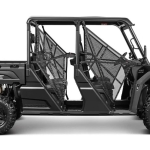
A 4 seater dune buggy is a recreational off-road-style vehicle designed to accommodate up to four occupants, subject to the manufacturer's specifications and weight limits.
The main difference between a four-seater and smaller buggy is passenger capacity.
Instead of being designed for one or two occupants, a four-seat vehicle provides additional seating for family members or passengers.
Depending on the model, a four-seater buggy may include features such as:
- Multiple individual seats
- Seat belts or safety harnesses
- Protective frame
- Larger tires
- Suspension systems
- Petrol engine or electric power
- Off-road-oriented construction
- Steering wheel controls
- Braking systems
Specifications vary significantly between models, so buyers should always review the exact product information before purchasing.
Why Choose a Four-Seater Buggy?
The biggest reason to consider a four-seater is convenience.
If several people want to participate in an outdoor recreational activity, a larger vehicle can eliminate the need for multiple smaller vehicles.
A four-seat buggy can be useful for:
- Families
- Groups of friends
- Outdoor recreation
- Private-property activities
- Suitable off-road environments
- Buyers who need additional passenger capacity
The experience can also be more social.
Instead of one person driving while everyone else watches, several passengers can travel together, provided the vehicle is designed for their combined weight and the riding environment is appropriate.
Who Should Buy a 4 Seater Dune Buggy?
A four-seater may be appropriate for buyers who genuinely need additional seating capacity.
It can be particularly attractive to families who regularly participate in outdoor recreational activities together.
However, a four-seat vehicle is not automatically the right choice for everyone.
Before buying, ask:
- How many people will regularly use the vehicle?
- Do I have enough storage space?
- Can I transport the vehicle when necessary?
- Where will it be used?
- Is that location appropriate and permitted?
- Does the vehicle's weight capacity accommodate the intended passengers?
If the answer to these questions is yes, a four-seater may be worth considering.
Four-Seater vs Two-Seater Buggy
The number of seats is one of the most obvious differences between buggy models.
|
Feature |
2-Seater Buggy |
4-Seater Buggy |
|
Passenger capacity |
Lower |
Higher |
|
Vehicle size |
Usually smaller |
Usually larger |
|
Storage |
Easier |
Requires more space |
|
Transportation |
Generally easier |
May require more planning |
|
Family use |
Suitable for smaller groups |
Suitable for larger groups |
|
Weight |
Generally lower |
Generally higher |
|
Turning space |
Often easier |
May require more space |
Neither option is universally better.
A two-seater may be more practical for a smaller family, while a four-seater can make more sense when several passengers need to travel together.
What Engine or Motor Should You Choose?
Power is another major consideration.
A four-seat buggy may be available with different power systems depending on the model.
Petrol-Powered Four-Seater Buggies
Petrol-powered vehicles use combustion engines and can provide a traditional recreational driving experience.
Depending on the engine, they may offer:
- Strong performance
- Higher power
- Longer continuous operation depending on fuel capacity
- Traditional engine operation
However, petrol engines require ongoing maintenance.
This may include:
- Oil changes
- Engine servicing
- Air-filter maintenance
- Fuel-system checks
- Spark-plug inspection
- Brake maintenance
Buyers should consider these requirements before choosing a petrol model.
Electric Four-Seater Buggies
Electric vehicles use rechargeable batteries and electric motors.
Potential advantages include:
- Quiet operation
- No petrol requirement
- Simple starting
- Lower engine-related maintenance
- Convenient charging
However, buyers need to consider charging time, battery capacity, operating range, and replacement battery costs.
The right power source depends on the intended use and the buyer's preferences.
Check the Vehicle's Weight Capacity
A four-seat vehicle can carry more passengers than a smaller buggy, but that does not mean any combination of four people is automatically suitable.
The manufacturer's weight limits are extremely important.
Before buying, check:
- Maximum total weight
- Maximum passenger weight
- Recommended seating configuration
- Weight distribution requirements
Overloading a vehicle can affect:
- Braking
- Acceleration
- Steering
- Stability
- Suspension
- Overall vehicle performance
Always remain within the manufacturer's specified limits.
Safety Features Matter
Safety should be one of the first things you investigate when comparing buggy cars.
A suitable recreational buggy may include several safety-related features.
Seat Belts and Harnesses
Each occupant should have an appropriate restraint system where provided.
Seat belts or harnesses should be correctly adjusted and used every time the vehicle is operated.
Protective Frame
Many dune-buggy-style vehicles use a protective frame around the passenger compartment.
This provides an additional structural element around occupants, but it should not be considered a substitute for responsible operation.
Braking System
A reliable braking system is essential, particularly when the vehicle is carrying multiple occupants.
Buyers should understand the braking system and check it regularly.
Tires
Tires affect traction and handling.
The correct tire design depends on the specific vehicle and intended riding surface.
Suspension
A suitable suspension system can help the vehicle handle appropriate outdoor terrain.
However, suspension features do not mean that the vehicle can safely travel over every type of terrain.
Always follow the manufacturer's recommendations.
Can a 4 Seater Dune Buggy Be Used on Sand?
This is an important question for UAE buyers.
The answer is:
It depends on the specific model.
The term "dune buggy" suggests an off-road design, but buyers should not assume that every four-seat vehicle is suitable for sand dunes.
Before riding on sand, check the manufacturer's specifications for:
- Intended terrain
- Tire type
- Ground clearance
- Engine or motor performance
- Weight capacity
- Cooling system
- Suspension
- Operating limitations
Sand can place additional demands on a vehicle.
A vehicle that performs well on firm outdoor surfaces may behave differently on loose sand.
If a particular buggy is not designed for dune use, it should not be taken onto dunes simply because it has an off-road appearance.
Ground Clearance and Tires
Ground clearance is particularly important for outdoor recreational vehicles.
A vehicle with suitable ground clearance can have more room between its underside and the surface.
Tires are equally important.
When comparing models, examine:
- Tire size
- Tread pattern
- Tire construction
- Recommended pressure
- Intended terrain
Larger tires can contribute to ground clearance and traction, but they do not automatically make a vehicle suitable for every environment.
The manufacturer's specifications should always take priority.
Suspension and Ride Comfort
A four-seat buggy needs to provide a suitable seating and suspension arrangement for its intended use.
Suspension can help the vehicle respond to uneven surfaces.
When evaluating a model, consider:
- Front suspension
- Rear suspension
- Shock absorbers
- Ground clearance
- Seat design
The suspension system should be evaluated together with the vehicle's tires, weight capacity, and intended terrain.
Vehicle Size and Storage
One of the biggest disadvantages of a four-seater can also be one of its biggest advantages: size.
Additional seats mean more space is required.
Before buying, measure:
- Garage width
- Garage length
- Door opening
- Storage area
- Turning space
- Transportation equipment
A large buggy may not fit into a standard storage area.
You should also consider how the vehicle will be moved if you need to transport it to another location.
Transportation Requirements
A four-seater can be difficult to transport without suitable equipment.
Before purchasing, consider:
- Vehicle weight
- Vehicle dimensions
- Trailer requirements
- Loading equipment
- Storage location
- Transportation frequency
If you plan to use the buggy at different recreational locations, transportation should be part of your buying decision rather than an afterthought.
How Much Does a 4 Seater Dune Buggy Cost?
There is no single price for a four-seater dune buggy.
Prices can vary depending on:
- Brand
- Engine size
- Motor type
- Seating configuration
- Construction
- Suspension
- Tires
- Safety features
- Additional equipment
When comparing buggies for sale, buyers should evaluate the complete specification rather than choosing the cheapest option.
A lower initial price may not always represent better long-term value if replacement parts, maintenance, or transportation costs are significantly higher.
New vs Used Four-Seater Buggies
Buyers may also have to decide between a new and used vehicle.
New Buggy
A new vehicle can provide:
- New components
- Potential warranty coverage
- No previous usage
- Easier access to manufacturer support
Used Buggy
A used vehicle may have a lower initial purchase price.
However, buyers should carefully inspect:
- Engine
- Battery
- Tires
- Brakes
- Steering
- Suspension
- Frame
- Electrical system
- Seat belts
- Signs of excessive wear
If you do not have mechanical experience, professional inspection can be useful before purchasing a used vehicle.
What Features Should You Look For?
When comparing four-seater buggies, create a checklist.
Seating
Make sure the seating configuration meets your requirements.
Safety
Check restraints, braking systems, protective structures, and other safety equipment.
Power
Compare electric and petrol options according to your intended use.
Tires
Make sure the tires are appropriate for the intended environment.
Suspension
Check the suspension system and ground clearance.
Weight Capacity
Make sure the vehicle can accommodate the intended occupants.
Controls
Controls should be appropriate for the intended driver.
Maintenance
Understand servicing and replacement-part requirements.
Storage
Confirm that the vehicle can be stored safely.
Warranty
Review warranty and after-sales support before purchasing.
Buggy Car Features That Matter
When comparing a buggy car, it can be tempting to focus on styling.
However, practical features are more important.
Look for:
- Comfortable seating
- Appropriate restraints
- Accessible controls
- Reliable brakes
- Suitable tires
- Strong frame
- Appropriate suspension
- Suitable power
- Adequate weight capacity
The best vehicle is the one that matches your actual needs.
Is a 4 Seater Buggy Better for Families?
A four-seat buggy can be useful for families because several people can share the same vehicle.
It can make outdoor recreational activities more social and convenient.
However, families should consider whether the vehicle is appropriate for every intended passenger.
For children, parents should check the manufacturer's age and size requirements. Children should not occupy seats that are not designed for them.
The total passenger weight should also remain within the specified limit.
Safety Tips for Four-Seater Buggies
Before every ride:
- Inspect the tires.
- Check the brakes.
- Secure all occupants.
- Confirm that the driver understands the controls.
- Make sure the riding area is appropriate.
- Check the vehicle for visible damage.
- Follow the manufacturer's operating instructions.
- Supervise younger or inexperienced riders where appropriate.
Avoid carrying more passengers than the vehicle is designed to accommodate.
Never assume that a four-seat vehicle can safely carry four people regardless of their combined weight.
Common Mistakes When Buying a 4 Seater Dune Buggy
Choosing Based on Appearance
A sporty design does not guarantee good performance or suitability.
Ignoring Weight Capacity
Passenger weight is particularly important in a four-seater.
Buying Without Considering Storage
Larger vehicles require more storage space.
Assuming Every Dune Buggy Can Handle Sand
Always verify the manufacturer's intended terrain.
Ignoring Maintenance
Understand the ongoing maintenance requirements.
Choosing Too Much Power
More power is not necessarily better for every buyer.
Forgetting Transportation
Consider how you will move the vehicle when necessary.
A Simple Four-Seater Buying Checklist
Before buying, ask:
Who will use the vehicle?
Determine the intended drivers and passengers.
How many seats do I actually need?
If you rarely carry multiple passengers, a smaller vehicle may be more practical.
Where will it be used?
Identify the intended terrain and confirm that the vehicle is suitable.
What power source do I prefer?
Compare electric and petrol models.
What is the weight capacity?
Make sure all occupants remain within the manufacturer's limits.
What safety equipment is included?
Check restraints, brakes, protective structures, and other safety features.
Where will I store it?
Measure your available space.
How will I transport it?
Consider the vehicle's dimensions and weight.
What maintenance will it require?
Understand servicing and replacement-part requirements.
Final Thoughts
A 4 seater dune buggy can be an exciting option for families and outdoor enthusiasts who want additional passenger capacity and a more adventurous recreational driving experience.
However, choosing the right vehicle requires careful research.
Before purchasing, consider the engine or motor, seating capacity, weight limits, safety features, tires, suspension, terrain, storage, transportation, maintenance, and after-sales support.
The biggest vehicle is not necessarily the best one. The right model is the one that fits your intended use and provides an appropriate combination of capacity, performance, practicality, and safety.
If you are comparing buggies for sale, take the time to read the specifications and compare models according to your actual requirements rather than choosing based solely on appearance or price.
For more children's products, outdoor play equipment, ride-on vehicles, and toys, explore the wider range available at Toyzinn.
Frequently Asked Questions
1. What is a 4 seater dune buggy?
A 4 seater dune buggy is a recreational off-road-style vehicle designed to accommodate up to four occupants, subject to the manufacturer's weight and seating specifications.
2. Is a 4 seater dune buggy suitable for families?
It can be suitable for families who need additional passenger capacity and have an appropriate environment for recreational use. The manufacturer's age, weight, and passenger requirements should always be followed.
3. Can a 4 seater dune buggy be used on sand?
Some models may be designed for suitable sand or dune environments, but not every four-seater is suitable for sand. Always check the manufacturer's specifications before using the vehicle on dunes.
4. Are four-seater buggies safe?
Safety depends on the vehicle, rider suitability, environment, and responsible operation. Appropriate restraints, brakes, protective structures, and adult supervision can all contribute to safer use.
5. What should I check before buying a four-seater buggy?
Check seating capacity, weight limits, engine or motor, speed, safety features, tires, suspension, dimensions, maintenance requirements, storage needs, warranty, and intended terrain.
6. Is a petrol or electric four-seater better?
Neither is universally better. Electric models can provide quieter operation and simpler engine maintenance, while petrol models can offer a traditional engine-powered recreational experience.
7. How much space does a four-seater buggy need?
The required space depends on the specific vehicle. Buyers should check the manufacturer's length, width, height, and weight specifications before planning storage.
8. Can children ride in a four-seater dune buggy?
Some vehicles may allow children to ride if they meet the manufacturer's requirements. Parents should always check the specific model's age, weight, seating, and safety recommendations.
9. Is a four-seater better than a two-seater buggy?
A four-seater is better when additional passenger capacity is needed. A two-seater may be more practical for buyers who want a smaller vehicle that requires less storage and transportation space.