
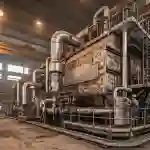
Energy recovery has become an important part of modern steel production. As steel plants look for ways to use energy more efficiently and reduce emissions, Coke Dry Quenching (CDQ) systems have become an effective way to recover heat from hot coke.
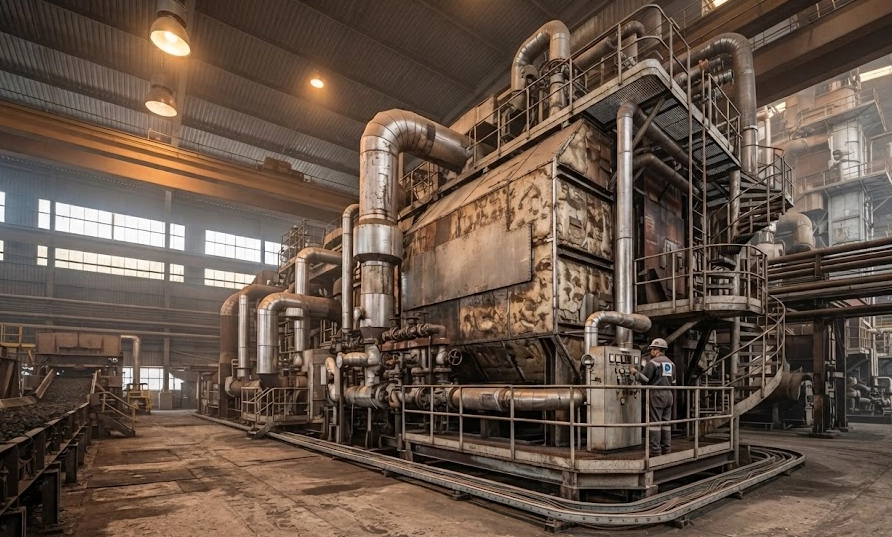
A key part of this process is the custom CDQ heat recovery boiler. The boiler converts heat from the circulating hot gas into useful steam, which can then be used for power generation or other plant processes.
However, not every coking plant operates under the same conditions. Gas temperature, dust content, steam requirements, production capacity, and available installation space can all be different. This is why customized boiler design can be more practical than simply selecting a standard model.
Why CDQ Boilers Need to Be Customized
A CDQ system operates in a demanding environment. Hot inert gas circulates through the system while carrying heat and coke dust. At the same time, the boiler needs to maintain stable steam production despite changes in coke production.
A custom CDQ heat recovery boiler can be designed around the actual operating conditions of a plant.
For example, the boiler design can take into account:
- Changes in coke production and heat load
- Inlet and outlet gas temperatures
- Dust concentration in the circulating gas
- Required steam pressure and capacity
- Available installation space
- Thermal expansion and repeated temperature changes
Matching these factors during the design stage can help the boiler maintain stable operation and reduce problems caused by unsuitable equipment.
Managing Dust on the Gas Side
Dust is one of the major concerns when operating a coke dry quenching boiler. Coke particles can accumulate on heat-transfer surfaces, reducing heat transfer efficiency and increasing the need for cleaning.
The arrangement of heating tubes and the design of dust-removal equipment therefore need careful consideration. Soot-blowing systems can also help remove deposits during operation.
Hailu Heavy Industry focuses on boiler designs that take dust deposition into account. Proper tube arrangements and supporting cleaning systems can help maintain heat-transfer performance during long operating periods.
Materials Need to Handle Harsh Conditions
The working environment inside a CDQ waste heat boiler places significant demands on pressure parts and other components.
The equipment is exposed to high-temperature gas and repeated heating and cooling cycles. Depending on the gas composition and operating conditions, corrosion can also become a concern.
For this reason, material selection is an important part of boiler engineering. Heat-resistant and suitable high-grade steel can help pressure components withstand long-term thermal stress and maintain structural reliability.
Hailu Heavy Industry considers the operating temperature, gas conditions, pressure requirements, and expected service environment when selecting materials for its boilers.
Steam Quality Should Not Be Overlooked
Recovering heat is only part of the CDQ process. The quality of the steam produced by the boiler also matters, particularly when the steam will be sent to a turbine for power generation.
Excess moisture in steam can affect downstream equipment, so steam separation and control need to be included in the overall boiler design.
A properly designed steam drum and moisture separation system can help provide the required steam quality for the plant's energy recovery system.
Why Engineering Support Matters
Choosing a custom CDQ heat recovery boiler involves more than purchasing a pressure vessel. The boiler needs to work together with the CDQ system and match the plant's thermal and operating conditions.
Hailu Heavy Industry provides waste heat boiler engineering and manufacturing services for industrial applications. Its work includes thermal design, manufacturing, and support during installation and operation.
The company also operates a specialized research institute for waste heat boilers. This provides a basis for using simulation and engineering experience when developing customized solutions.
Manufacturing and Project Requirements
Large industrial boilers often involve complex structures and strict manufacturing requirements. Production quality can have a direct effect on the equipment's safety and service life.
Hailu Heavy Industry provides manufacturing capabilities for customized boiler structures and designs its equipment according to applicable pressure-vessel and industrial standards for different markets.
For international steel producers, it is also useful to consider whether the supplier can support the complete project rather than only manufacture the boiler. Design coordination, installation guidance, commissioning, and technical communication can all influence the final result.
Turning Waste Heat Into Useful Energy
The purpose of a CDQ system is to recover energy that would otherwise be wasted. The CDQ heat recovery boiler plays an important role by transferring heat from the circulating gas into steam that can be used elsewhere in the plant.
A well-matched boiler can help maintain stable heat recovery, support power generation, and improve the overall energy utilization of the coking process.
For this reason, buyers should not select a custom CDQ heat recovery boiler based only on its rated capacity or purchase price. Gas conditions, heat load, dust control, materials, steam quality, maintenance, and long-term operating requirements should all be evaluated together.
Conclusion
For modern steel plants, CDQ technology provides an opportunity to recover valuable energy while improving the overall efficiency of the production process. The performance of the system depends heavily on the design and reliability of its waste heat boiler.
A custom CDQ heat recovery boiler can be developed around the actual conditions of a coking plant, including heat load, gas temperature, dust concentration, steam requirements, and installation limitations.
Hailu Heavy Industry combines waste heat boiler design, manufacturing, research, and project support to provide customized solutions for industrial users. For steel producers planning a new CDQ project or improving an existing system, selecting a boiler based on real operating conditions can provide a stronger foundation for long-term energy recovery and reliable production.