
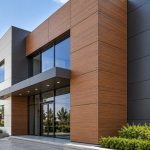

The outside of a building makes the initial impression. Whether it's a business office, residential property, retail space, educational facility, or hotel project, the exterior influences how people see the structure.
A well-designed façade may make a home appear modern, friendly, and properly maintained.
Architects and designers now have access to a diverse range of facade materials, but HPL exterior cladding has emerged as a popular choice for projects that seek to combine attractive design with practical performance. HPL cladding, which comes in a variety of colors, patterns, textures, and finishes, can give buildings a unique and modern appearance.
Modern And Attractive Facade Designs
One of the most significant benefits of HPL exterior cladding is the versatility it offers in facade design. Designers can select from a variety of surface finishes and visual effects to complement the architectural style of a structure.
HPL panels can be stacked in a variety of ways, ranging from clean, minimalist facades to dramatic modern patterns. Horizontal and vertical installations, geometric patterns, contrasting panels, and personalized combinations can all produce intriguing visual effects.
This versatility enables designers to create an appearance that appears purposeful rather than bland.
A Wide Variety Of Colors And Finishes
Color has a significant impact on the appearance of a building. HPL exterior panels come in a variety of hues, allowing designers to coordinate the facade with a company's brand identification, neighboring architecture, or overall project concept.
Neutral shades like gray, beige, white, and black can create a refined look, whilst bolder colors can offer character and visual intrigue.
distinct coatings might produce distinct impressions. Wood-inspired surfaces can provide a warm and natural atmosphere, whilst stone-inspired or solid finishes can provide a more structured and modern appearance.
Creating Natural-Looking Exteriors
Natural materials like wood and stone have long been favored in architecture. Natural materials, on the other hand, may require extensive upkeep depending on the application and environment.
HPL exterior cladding can give beautiful surfaces modeled after natural materials. Wood-look panels, for example, can provide a warm architectural aspect while giving designers more control over panel selection and installation.
This allows for a more natural visual approach while still retaining a consistent facade design.
Adding Depth and Dimensions
A flat facade can sometimes appear basic or monotonous. Cladding systems can be utilized to create depth and visual layers on the exterior.
Panels can be set in various orientations, proportions, and spacing to create shadows and patterns on the facade. These details, when paired with architectural aspects such as windows, balconies, entrances, and lighting, can enhance the building's visual appeal.
As a result, the facade may change subtly depending on the amount of daylight and the viewing angle.
Supporting Contemporary Architecture
Modern architecture frequently emphasizes clean lines, basic forms, and carefully selected materials. HPL exterior cladding can enhance these concepts by offering smooth, consistent surfaces and a variety of contemporary finishes.
A contemporary facade can help business buildings look more professional. For residential complexes, carefully chosen colors and textures can create a stylish and appealing exterior.
The material can also be mixed with glass, metal, concrete, wood, and other facade elements to create harmonious architectural compositions.
Enhancing Brand Identity
For businesses, a building's façade can serve as an extension of their brand. Before visitors enter the building, the facade can convey values such as professionalism, inventiveness, dependability, and modernity.
HPL panels come in a variety of colors and design options that can be tailored to a company's preferred visual identity. Branded color combinations, feature walls, entry sections, and decorative facade patterns can all contribute to a distinctive image.
This is especially effective in workplaces, retail establishments, hotels, showrooms, and other customer-facing enterprises.
Maintaining a Consistent Appearance
A visually pleasing structure should continue to look well after installation. Exterior surfaces are exposed to sunshine, rain, dust, pollution, and other environmental factors.
When correctly specified, installed, and maintained, selecting an appropriate HPL exterior cladding system can aid in the creation of a facade that maintains a constant and polished appearance.
Regular cleaning and proper maintenance are still necessary. Following the manufacturer's guidelines might help to maintain the surface polish and overall appearance over time.
Suitable For Many Building Types
The design versatility of HPL cladding makes it appropriate for a wide range of architectural projects. It is suitable for office buildings, residential developments, schools, medical facilities, shopping malls, hotels, restaurants, and other commercial properties.
Depending on its purpose and architectural style, each building might have a unique blend of colors, textures, panel configurations, and facade elements.
Importance of Professional Planning
A good facade design requires more than just selecting an appealing panel. Panel size, layout, fixing systems, building proportions, ambient lighting, and other architectural features should all be taken into account.
Professional planning and installation can help guarantee that the cladding appears consistent and functions properly as part of the overall facade system.
Conclusion
The façade of a building has a significant impact on its overall character and first impression. HPL exterior cladding offers architects, designers, and property owners numerous possibilities for designing modern and visually appealing facades.
HPL panels, which come in a variety of colors, textures, patterns, and finishes, can provide depth, support contemporary architectural trends, and create unique building exteriors. When combined with smart design, competent installation, and regular maintenance, HPL cladding can help buildings retain an appealing and professional appearance for many years.