
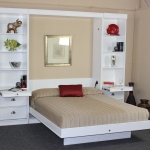




The wall behind the bed is often the main visual focus of a bedroom. A thoughtfully planned bed back wall design can transform a simple bedroom into a more comfortable and visually balanced space without requiring major changes to the entire room.
From wooden panels and upholstered headboards to wall lighting and built-in storage, there are many ways to design the area behind a bed. The right choice depends on the bedroom size, existing furniture, interior style, and personal preferences.
Why the Wall Behind the Bed Matters
The bed usually occupies the largest portion of a bedroom, making the wall behind it an important design element. An attractive feature wall can create a clear focal point and bring the different elements of the bedroom together.
A well-designed bed wall can also:
- Add texture and depth
- Create a focal point
- Complement bedroom furniture
- Provide additional storage
- Hide imperfections on the wall
- Support integrated lighting
- Improve the overall appearance of the room
Choose a Design Based on Your Bedroom Style
The bed wall should complement the rest of the bedroom rather than appear disconnected from it.
For a modern bedroom, simple geometric panels, neutral colors, and clean lines can work well. Traditional interiors may benefit from decorative woodwork, upholstered panels, or more detailed designs.
Popular approaches include:
- Modern minimalist panels
- Wooden feature walls
- Upholstered headboards
- Fluted wall panels
- Decorative molding
- Marble-look panels
- Textured paint
- Wallpaper feature walls
Wooden Bed Back Wall Designs
Wooden finishes can add warmth and texture to a bedroom. They can be used across the entire wall or combined with paint and other materials.
Vertical wooden slats can create the appearance of greater height, while horizontal panels can emphasize the width of the room.
Wood-look laminates and veneers can also provide a similar visual effect with different maintenance and cost considerations.
Upholstered Feature Walls
Upholstered panels can create a softer appearance and may be particularly suitable for bedrooms where comfort and a luxurious feel are priorities.
Panels can be installed behind the entire bed or limited to the headboard area. Different fabrics, textures, shapes, and colors can be selected to complement the bedroom furniture.
Add Built-In Bedside Storage
The wall behind the bed can sometimes be designed to include useful storage. Built-in niches, shelves, drawers, or bedside cabinets can provide convenient places for books, lighting, phones, and other everyday items.
However, storage should not make the wall unnecessarily bulky. The design should maintain sufficient space around the bed for comfortable movement.
Use Lighting to Enhance the Design
Lighting can make a significant difference to a bedroom feature wall. Wall-mounted lights, concealed LED strips, pendant lights, or recessed fixtures can be incorporated into the design.
Bedside lighting should be practical as well as decorative. Reading lights, for example, should be positioned at a comfortable height and angle.
Avoid overly bright lighting directly behind the bed if the bedroom is primarily intended for relaxation.
Consider Color Carefully
The color of the bed wall can influence the overall atmosphere of the bedroom.
Neutral shades such as beige, cream, gray, and soft white can create a calm appearance. Deeper shades can add contrast and make the bed wall stand out.
A useful approach is to select a feature color that complements the bedding, curtains, flooring, and other furniture.
Fluted and Slatted Panels
Fluted and slatted panels are widely used in contemporary interiors because they add texture without requiring complicated decorative detailing.
They can be installed vertically behind the bed and combined with:
- Wood finishes
- Neutral paint
- Upholstered sections
- LED lighting
- Floating bedside tables
The spacing and proportions of the slats should be appropriate for the size of the wall.
Make the Design Suitable for Small Bedrooms
A small bedroom does not necessarily need an elaborate feature wall. In fact, a simple design may work better.
Consider:
- Light colors
- Slim wall panels
- Minimal storage
- Vertical design elements
- Integrated bedside tables
- Wall-mounted lighting
Avoid adding too many shelves, patterns, or bulky cabinets, as they can make a compact room feel crowded.
Match the Bed Wall With Other Woodwork
If your bedroom already contains custom wardrobes, dressing tables, or other wooden furniture, consider using complementary materials and finishes for the bed wall.
Matching every element exactly is not necessary. Similar tones, textures, or hardware can create a more cohesive interior without making everything look identical.
Think About Maintenance
The material selected for the feature wall should be practical for everyday use. Dust can accumulate on textured panels, slats, shelves, and decorative surfaces, so consider how easily each material can be cleaned.
For bedrooms, finishes that can be maintained with routine dusting and gentle cleaning may be more practical.
Custom Bed Back Wall Design
Custom designs can be useful when the bedroom has unusual dimensions or specific storage requirements. A custom unit can combine the headboard, feature wall, bedside tables, lighting, and storage into one coordinated design.
Before manufacturing, accurate measurements should be taken and the position of electrical points should be considered.
How to Plan Your Bedroom Feature Wall
Before starting the project, consider the following:
- Measure the wall accurately.
- Determine the size and position of the bed.
- Choose an interior style.
- Select the primary material.
- Decide whether storage is required.
- Plan lighting and electrical points.
- Select complementary colors.
- Set a realistic budget.
- Review the final design before installation.
This planning process can help avoid unnecessary changes during installation.
Final Thoughts
The wall behind the bed can have a major impact on the overall appearance of a bedroom. Whether you prefer wood panels, upholstered sections, fluted designs, wallpaper, or a minimalist painted feature wall, the design should complement the room while remaining practical.
A successful bed back wall design combines aesthetics, proportions, lighting, materials, and functionality. With careful planning, even a simple bedroom can be given a distinctive and organized appearance.
FAQs
1. What is a bed back wall design?
A bed back wall design is a decorative or functional treatment applied to the wall behind a bed. It may include panels, headboards, lighting, shelves, storage, wallpaper, or other interior elements.
2. Which material is best for a bed back wall?
There is no single best material. Wood finishes, MDF panels, upholstery, wallpaper, paint, fluted panels, and other materials can be suitable depending on the desired appearance, maintenance requirements, and budget.
3. Are wooden panels suitable for bedroom walls?
Yes. Wooden or wood-look panels can add warmth and texture to a bedroom. The appropriate material and finish should be selected according to the room's style and maintenance requirements.
4. How can I design a bed wall in a small bedroom?
Use simple designs, lighter colors, vertical elements, slim panels, and integrated storage. Avoid excessive decoration or bulky structures that reduce usable space.
5. Should the bed back wall match the wardrobe?
It does not have to match exactly. Using complementary colors, materials, textures, or finishes can create a coordinated bedroom without making every element identical.
6. Can lighting be included in a bed wall design?
Yes. LED strips, wall lights, pendant fixtures, and recessed lighting can be incorporated into the design. Electrical points should be planned before installation.
7. How much does a custom bed back wall cost?
The cost depends on the wall size, materials, design complexity, lighting, storage features, hardware, finishing, and installation. A project-specific quotation is the most accurate way to determine the cost.
Explore Our Latest Articles for More Tips and Information.