
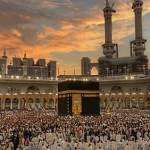
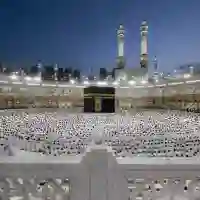
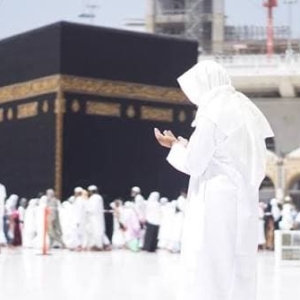

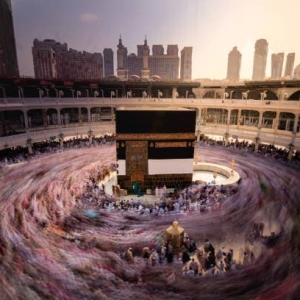
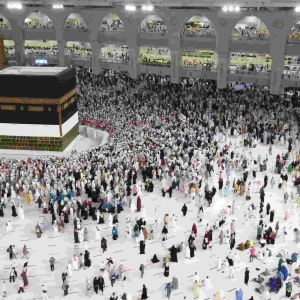

Easter can offer an opportunity for Muslims in the UK to step away from everyday responsibilities and dedicate time to worship in Makkah and Madinah. For those considering Easter Umrah Packages from UK, the experience involves more than arranging flights and accommodation. Thoughtful preparation can help pilgrims approach the journey with greater focus, patience and a clearer sense of purpose.
With Easter 2027 falling on 28 March, some travellers may be considering how to use the spring holiday period for Umrah. Whether this will be a first visit to the holy cities or a return after many years, preparing spiritually and practically can make the experience more meaningful.
Rather than treating Umrah as another holiday, pilgrims can use the weeks before departure to develop habits and intentions that support their worship throughout the journey.
Begin With Your Intention, Not Your Itinerary
The first step towards a meaningful Umrah is reflecting on why you want to undertake it.
For some, the journey may represent an opportunity to seek forgiveness and strengthen their relationship with Allah. Others may be returning to the holy cities after a long absence or hoping to establish a deeper connection with their faith.
There is no need to create an elaborate personal plan. Taking a little time to consider your intentions can help you approach the pilgrimage with sincerity and perspective.
Before booking, consider setting aside a quiet evening to think about what you hope to gain from the experience. You might write down personal duas, reflect on areas of your life where you want to improve or identify habits you hope to leave behind.
Keep these reflections private if you prefer. The purpose is not to measure your spiritual progress against anyone else's, but to give yourself something meaningful to return to during the journey.
Use the Weeks Before Easter to Build Consistent Worship Habits
One of the most useful ways to prepare for Umrah is to begin strengthening your everyday worship before travelling.
It can be tempting to expect a sudden change in routine once you arrive in Makkah. However, developing small habits beforehand may make it easier to maintain concentration when you are surrounded by new places, unfamiliar routines and the excitement of the pilgrimage.
Consider creating a realistic routine that fits around work, family and other commitments.
For example, you could:
- Set aside a few minutes each day for reading the Qur'an and reflecting on its meaning.
- Make time for personal duas after salah.
- Learn or revise the duas and recitations you intend to use during Umrah.
- Reduce unnecessary screen time to create more space for reflection.
- Establish a regular bedtime where possible, especially if your work schedule allows it.
Consistency matters more than attempting an ambitious routine that becomes difficult to maintain.
For UK travellers balancing employment and family responsibilities, even a modest preparation routine can help create a smoother transition from everyday life to the more worship-focused environment of the holy cities.
Learn the Umrah Rituals Before You Travel
A basic understanding of the rites of Umrah can help reduce uncertainty when you arrive.
Although many pilgrims learn from relatives, friends or group leaders, it is useful to familiarise yourself with the process independently.
The main rites include entering the state of Ihram with the appropriate intention, performing Tawaf around the Kaaba, completing Sa'i between Safa and Marwah, and finishing the pilgrimage by cutting or shaving the hair as applicable.
Each stage has its own requirements and considerations. Learning these beforehand can help you understand what you are doing rather than simply following the movement of other pilgrims.
Use reliable Islamic learning resources, and consult a knowledgeable scholar or qualified religious guide if you have questions about specific rulings. Differences in scholarly guidance can arise in certain circumstances, so avoid assuming that every explanation applies to every individual.
It is particularly helpful to understand the restrictions of Ihram before leaving home. This gives you time to prepare suitable clothing and consider any personal circumstances that may require additional guidance.
A small notebook or a saved digital guide can also be useful for revising the sequence of rituals during the journey.
Prepare for the Physical Side of Pilgrimage
Umrah can involve considerable walking, standing and time spent in busy surroundings. Preparing physically is therefore an important part of getting ready for the journey.
This does not mean that pilgrims need to follow an intensive exercise programme. Instead, gradual preparation can help make the walking involved in the pilgrimage feel more familiar.
If your circumstances allow, consider taking regular walks in the weeks before departure. Begin with a comfortable distance and increase it gradually according to your ability.
Choose footwear that is comfortable and appropriate for walking, and avoid relying on brand-new shoes for the first time during your trip.
It is also sensible to consider your individual needs. Older travellers and people with mobility limitations may benefit from discussing their travel arrangements with their healthcare professional and checking what assistance is available through their airline, accommodation provider or relevant authorities.
Pilgrims should not feel that they need to push themselves beyond their physical limits. The purpose of preparation is to make the journey manageable, not to turn worship into a test of endurance.
Make a Personal Dua List for Makkah and Madinah
Many pilgrims arrive in the holy cities with a long list of things they hope to pray for. In the excitement of travelling, however, it can sometimes be difficult to remember everything that was on their mind before departure.
Preparing a personal dua list can provide a simple way to organise your thoughts.
You might divide it into a few areas:
Your relationship with Allah: Consider asking for forgiveness, guidance, sincerity and consistency in worship.
Family and loved ones: Include prayers for parents, children, relatives, friends and anyone who has requested your duas.
Personal challenges: Think about decisions, responsibilities or difficulties for which you seek guidance and ease.
The wider Muslim community: You may wish to include prayers for people experiencing hardship and for peace and wellbeing around the world.
Write your duas in the language in which you feel most comfortable expressing yourself. You can also include Arabic supplications that you know and understand.
Remember that a written list is simply a personal aid. You do not need to complete every item in a particular order, and it should never become a source of pressure during your pilgrimage.
Organise Travel Documents Well in Advance
Spiritual preparation is important, but practical arrangements deserve equal attention before departure.
Travellers from the UK should check the current Saudi entry and Umrah requirements well before their intended travel dates. Requirements can change, and the documents needed may depend on nationality, visa type and individual circumstances.
The official Saudi visa platform and Nusuk are useful starting points for checking relevant information. Pilgrims should also consult GOV.UK's Saudi Arabia travel advice for current entry guidance and other travel considerations.
Check that your passport will meet the applicable validity requirements and that the information on your travel documents is consistent. Keep digital copies of important documents in a secure location, while carrying the necessary originals during travel.
It is also worth confirming your flight arrangements, accommodation details, airport transfers and any services included in your booking.
For those comparing Easter Umrah Packages 2027, reading the package details carefully can help clarify what is included and which arrangements need to be made separately.
Do not assume that visa arrangements, meals, transfers or other services are automatically included. Confirm these details directly with the travel provider before making a commitment.
Pack With Worship and Comfort in Mind
Packing for Umrah does not need to be complicated. A practical approach can help you avoid carrying unnecessary items while ensuring that the essentials are available when needed.
Start by making a list of clothing, toiletries, medication and travel documents. Check the weather forecast for your intended travel dates and destinations closer to departure, as conditions can vary between Makkah and Madinah.
For men, ensure that the appropriate Ihram garments are prepared and that you understand when and how they will be used. Women should pack comfortable, modest clothing suitable for worship and travel.
A small bag for everyday essentials can be helpful when moving between accommodation and the Haram. Depending on your needs, this might include a phone, identification, water, a small dua guide and any essential medication.
Avoid overpacking. Having fewer belongings can make moving through airports, hotels and busy public areas more manageable.
If you are travelling with older relatives or anyone who needs regular medication, make sure their essentials are easy to access and that any relevant medical documentation is prepared.
Leave Room for Patience and Flexibility
Even a carefully organised pilgrimage may not unfold exactly as expected.
Flights can be delayed, transport arrangements may take longer than planned, and busy periods around the holy sites can require patience. Travellers may also find that tiredness affects their concentration or that their preferred schedule needs to change.
Preparing for these possibilities can help you approach the journey with a calmer mindset.
Avoid filling every available hour with a strict itinerary. Allow time for rest, meals, personal worship and unexpected changes.
If you are travelling with others, discuss expectations before departure. Different people may have different energy levels, priorities and approaches to spending time in the holy cities.
Agreeing to remain considerate of one another can make the experience more comfortable for everyone.
Most importantly, remember that meaningful worship is not measured simply by how many activities you complete in a day. Giving yourself time to pray, reflect and show kindness to others can be just as important as following a planned schedule.
Bring the Experience Home With You
The journey does not end when you leave Makkah or Madinah.
Before returning to the UK, consider reflecting on what you have learned and which habits you hope to maintain. You might identify one or two practical changes that can become part of your normal routine after the pilgrimage.
These could include maintaining regular Qur'an reading, protecting time for salah, making more consistent duas or being more mindful in your interactions with others.
Avoid putting pressure on yourself to transform every aspect of your life overnight. Sustainable changes often begin with small, repeated actions.
You could also keep a private journal of reflections from your journey, recording meaningful moments, lessons and duas you want to remember.
Final Thoughts
An Easter Umrah journey offers an opportunity to step away from familiar routines and give greater attention to worship. For UK pilgrims considering travel in spring 2027, preparation can begin long before reaching the holy cities.
By strengthening everyday worship, learning the rituals, preparing physically and organising travel documents in advance, you can approach the journey with greater confidence and fewer avoidable distractions.
Ultimately, the value of Umrah lies not in having a perfect itinerary, but in approaching the pilgrimage with sincerity, humility and a willingness to grow. Thoughtful preparation can help you make space for those priorities throughout your time in Makkah and Madinah.