
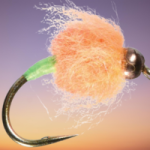

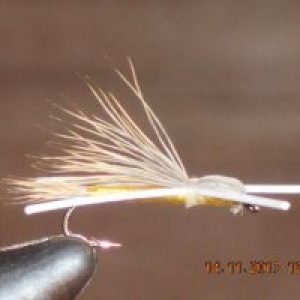
Wet flies for trout are designed to fish beneath the water surface, where trout often feed on emerging insects, drowned insects, aquatic insects, and other small food sources. In Kenya, they can be useful on suitable trout rivers and streams when fish are feeding below the surface rather than taking insects from the top.
Choosing the right pattern involves more than color. Water flow, clarity, temperature, depth, insect activity, fly size, and trout behavior all influence the result.
For anglers targeting Kenyan trout, a practical starting point is to carry several proven wet-fly patterns in different sizes and adjust the presentation according to the water.
What Are Wet Flies for Trout?
Wet flies are artificial flies that anglers present below the surface. Their feathers, hackles, dubbing, and other materials create movement as the fly travels through the water.
A wet fly can imitate an insect moving through the current, an emerging insect, or an insect that has fallen into the water. Some patterns also work because they create a general impression of food rather than copying one particular species.
The main difference is position. Dry flies normally imitate insects on or near the surface, while wet flies operate beneath it. Nymphs generally imitate immature aquatic insects, and streamers are larger patterns that often suggest baitfish or other substantial prey.
Which Wet Fly Patterns Work for Kenyan Trout?
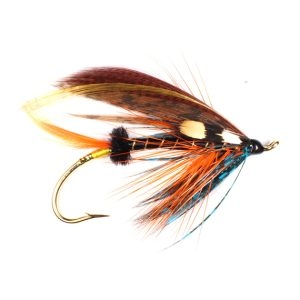
Several traditional patterns are worth considering when building a Kenyan trout fly selection. These include Mrs Simpson, Invicta, Coachman, Bloody Butcher, and Peter Ross.
- Mrs Simpson is a classic wet-fly pattern with a strong profile and contrasting materials. It can be useful when anglers want a noticeable underwater offering.
- Invicta combines movement and contrast and has long been associated with trout fishing.
- Coachman provides a distinctive combination of colors that can help the fly remain visible to trout.
- Bloody Butcher uses dark and contrasting elements to create a clear underwater silhouette.
- Peter Ross is another established wet-fly pattern that anglers may carry as part of a varied trout selection.
These patterns should not be treated as guaranteed choices for every Kenyan river. Trout respond to local food availability and changing conditions, so pattern selection works best when combined with observation.
When Should You Use Wet Flies for Trout?
Use a wet fly when trout appear to be feeding beneath the surface or when surface activity does not provide a clear reason to use a dry fly.
Changing weather can also affect feeding behavior. Cloud cover, rainfall, temperature changes, increased water flow, and insect activity may alter where trout hold and how they take food.
Water clarity matters too. In clear water, a smaller and more natural-looking fly may be appropriate. In slightly colored or faster water, contrast and movement can help trout locate the fly.
The most useful rule is simple: watch the water before choosing the fly.
Where Can You Fish Wet Flies for Trout in Kenya?
Wet flies can be used in suitable Kenyan trout rivers and streams, particularly where current movement allows the fly to travel naturally.
A river with moderate flow can create productive situations because insects and other food drift with the current. Runs, pools, seams, riffles, and current edges can all hold trout depending on water conditions.
Stillwater fishing requires a different approach. Without strong current, anglers may need to control the retrieve and depth more deliberately.
The location of the trout matters as much as the pattern. A perfect fly presented above the fish has little value if the trout are holding several feet deeper.
What Wet Fly Size Should You Use?
Fly size should reflect the available food, water conditions, and trout behavior. Sizes 12–14 and 14–16 can provide useful starting points for several traditional wet-fly patterns.
However, size should remain flexible. If trout seem cautious, reducing the fly size can make the presentation less intrusive. When water is high, slightly colored, or moving quickly, a more visible pattern may help.
Carrying several sizes of the same pattern gives anglers more control than carrying one size and changing patterns repeatedly.
How Do You Fish a Wet Fly for Trout?
Presentation determines how a wet fly behaves underwater.
One traditional method is to cast across the current and allow the fly to swing downstream. The current moves the fly naturally while the hackle and other materials create subtle movement.
A controlled retrieve can also work. Short movements can make the fly appear alive, but aggressive pulling may make it look unnatural.
A dead-drift style presentation can be useful when trout feed on insects moving naturally with the current. In other situations, a gentle swing can trigger a response from fish that notice movement.
Depth matters throughout the process. If trout are feeding close to the bottom, a fly that remains near the surface may pass completely above the feeding zone.
What Leader and Line Setup Is Suitable?
A straightforward trout setup can work well for wet-fly fishing. The leader should allow the fly to move naturally while remaining appropriate for the size of the trout and the surrounding structure.
A floating line can be useful for many traditional wet-fly presentations, particularly when the fly itself provides enough weight to reach the desired depth. Additional techniques or equipment may be appropriate when fish hold deeper.
The objective is not simply to get the fly underwater. It is to place it at the depth where trout are actually feeding.
Can Wet Flies Be Used Alongside Dry Flies and Nymphs?
Yes. An effective trout angler does not need to choose one category permanently.
If trout rise consistently to surface insects, a dry fly may make sense. If fish feed beneath the surface, a wet fly or nymph can become more relevant. When larger prey attracts trout, a streamer may provide another option.
These categories complement one another. The choice should follow trout behavior rather than a fixed preference for one style.
What Should You Look for When Buying Wet Flies in Kenya?
When purchasing wet flies for trout in Kenya, examine construction as well as pattern selection.
A properly tied fly should have secure materials, a suitable hook, consistent proportions, and a profile that remains useful after repeated casts and fish strikes. Durability becomes especially important when fishing around rocks, branches, and strong current.
Local availability can also simplify fly selection. Anglers who can obtain hand-tied patterns in Kenya may avoid unnecessary delays associated with sourcing individual flies from overseas.
Where Can Kenyan Anglers Get Hand-Tied Trout Flies?
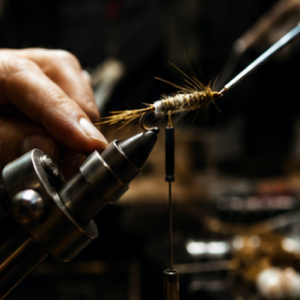
Trout Fly Fishing Flies Kenya produces handcrafted flies from its workshop in the Kenyan highlands. The company focuses on hand-tied patterns designed with durability, consistency, and practical fishing performance in mind.
Its fly-making approach combines traditional tying techniques with modern materials and careful inspection. The range is intended for anglers fishing rivers, streams, and other suitable trout waters.
For anglers looking for Kenyan-made trout flies, hand-tied wet fly patterns, or a local source for trout-fishing flies, Trout Fly Fishing Flies Kenya provides a direct option.
Contact Information
Trout Fly Fishing Flies Kenya
Lr No, Limuru/Rironi 1129, Rironi Kinguru Road
Limuru East, Limuru, Kiambu, Kenya
P.O. Box 937-00217, Kenya
Email: francis@troutflyfishingflieskenya.com
Phone: +254-208-117733 / +254-720-968005
Website: troutflyfishingflieskenya.com
Choosing the Right Wet Fly for Your Next Trout Trip
There is no single wet fly that suits every trout situation. Start with proven patterns such as Mrs Simpson, Invicta, Coachman, Bloody Butcher, and Peter Ross, then adjust size, depth, retrieve, and presentation according to the water.
For Kenyan anglers, the most practical approach combines a varied fly box with careful observation. When you understand where trout are feeding and how the current moves your fly, wet fly trout fishing becomes a matter of adapting rather than guessing.