
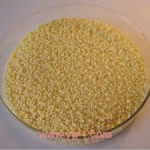


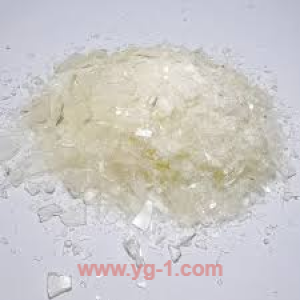
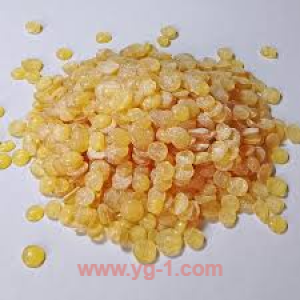
Formulators examine chemical additives that control cure rates inside rubber compounds during daily work. Clear knowledge of each grade reduces risk of uneven results and supports stable output across different production lines. Technical data on the rubber accelerator range appears at yg-1 for those who need specifications suited to natural and synthetic bases. Which factors should shape the first review of available materials for any given compound?
The process starts with exact identification of the polymer and the conditions the finished article will meet. Natural rubber mixes often accept medium-speed grades that keep adequate flow during mixing and extrusion stages. Styrene-butadiene systems may need delayed-action materials able to handle elevated temperatures without premature set. Ethylene-propylene diene monomer compounds usually require packages that hold steady under extended heat. After the base polymer is fixed, attention moves to the target cure curve. Thin sections that must leave the mold rapidly pair with fast-acting grades, while thicker parts gain from materials that hold a long plateau and limit under-cure in the center.
Processing safety stays central at every stage. Scorch time has to match the length of mixing, calendering or injection so the compound remains workable until shaping ends. Delayed-action grades stretch the safe interval yet still allow rapid cross-link formation once the activation temperature arrives. Secondary materials enter in small amounts to adjust overall speed and modulus build. Interaction with activators and fillers must also be checked, since those contacts can shift both the start of cure and the aging behavior of the finished vulcanizate.
Service demands next narrow the field. Tire treads call for combinations that aid abrasion resistance and control of heat build-up. Sealing parts place priority on retention of compression set and resistance to fluids. Latex goods commonly use ultra-fast grades that work at lower temperatures and leave little residue. Light-colored or transparent items add limits on staining, directing attention toward non-staining choices. Rules that restrict certain breakdown products influence selections in medical and food-contact work, drawing interest toward grades built to lower unwanted by-products.
Supply consistency and access to application notes finish the practical check. Uniform particle size, purity and packaging cut variation on the factory floor. Guidance that addresses unexpected contacts during scale-up helps keep trials on track. Teams that record laboratory results for each candidate and then confirm them in pilot runs create the strongest link between early choice and commercial success.
When the full set of grades has been reviewed and laboratory checks confirm the match, production teams proceed with the selected material. Visitors who need further grade data can locate the complete rubber accelerator listing through the product pages at https://www.yg-1.com/ and compare each entry against their own process window, drawing on the technical notes supplied by the company to confirm fit before placing any order.