
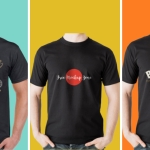

Clothing can say a lot without using many words. A shirt with a name, picture, logo, or short message can show that someone belongs to a team, supports an event, or shares an idea with others. This simple use of clothing has made custom t shirts popular for businesses, schools, sports teams, families, and social groups.
Custom shirts are also useful because they combine a personal design with an everyday product. People can wear them at work, during events, while travelling, or during casual activities. A printed shirt can therefore continue to be useful even after the event or occasion for which it was made.
For businesses, customised clothing can also be part of corporate gifts given to employees, clients, or event participants. The choice of design, fabric, printing method, and size can change how useful and comfortable the final product is.
1. Why Custom T Shirts Are Popular
There are many reasons people choose customised shirts instead of plain clothing. One of the main reasons is that they allow a group or individual to create something that is different from ordinary retail clothing.
A business can add its name or logo to employee shirts. A sports team can print player names and numbers. Families can create matching shirts for a celebration, while event organisers can use them to identify staff and volunteers.
The process also allows people to choose colours, artwork, text, and shirt styles according to their needs. This makes customised clothing suitable for both small personal orders and larger group requirements.
2. How Custom T Shirts Create Group Identity
When several people wear shirts with the same design, they can be recognised as part of the same group. This can be especially useful at busy events where many people are present.
For example, staff at a trade show can wear matching shirts so visitors can identify them easily. Volunteers at a charity event can use printed shirts to make their role clear. Sports teams can use matching designs to create a common appearance during competitions.
The design does not need to be complicated. A simple logo, team name, or colour combination can be enough to create a shared identity.
3. Choosing the Right Fabric
The fabric used for a shirt affects comfort and performance. Different activities may require different materials.
Cotton is commonly selected for everyday clothing because it feels soft and comfortable. Polyester is often used for sportswear because it is lightweight and can handle active use. Cotton-polyester blends provide another option for people who want a mixture of comfort and durability.
The environment should also be considered. A shirt intended for an outdoor event in hot weather may need different fabric properties from one designed for indoor office use.
Selecting the right material before printing can help ensure the finished shirts are comfortable enough to wear.
4. Designing a Clear Shirt
A good shirt design should be easy to understand. Adding too many elements can make the artwork look crowded and may reduce the visibility of important information.
Before finalising a design, it is useful to decide what the main message should be. If the shirt is for a business, the company name or logo may be the main element. For an event, the event name and date may be more important.
Text should be large enough to read, while images should have suitable resolution for printing. Colours should also work well together and provide enough contrast.
A simple design can often have a stronger visual effect than one containing too many details.
5. Custom T Shirts as Corporate Gifts
Companies often provide useful products to employees, clients, and business partners. Corporate gifts can range from stationery and bags to drinkware and clothing.
Customised shirts can be used as gifts when they are connected to an event, team, campaign, or company activity. For example, employees may receive matching shirts for an annual gathering or a sports day.
A useful clothing item can be worn many times rather than being used only once. This makes shirts a practical choice when a business wants to provide something that has an everyday purpose.
The design can be kept simple so that the shirt remains suitable for casual use after the original event.
6. Different Methods for Printing Shirts
There is no single printing method that works for every shirt. The best option depends on the design, fabric, order size, and required appearance.
Screen printing is commonly used for simple designs and larger quantities. It can produce strong prints and is suitable when the artwork uses a limited number of colours.
Direct-to-garment printing allows detailed artwork and photographs to be printed directly onto suitable fabrics. It can be useful for designs containing many colours.
Heat transfer printing uses heat and pressure to apply a prepared design to the fabric. It can work well for smaller orders and certain types of personalised artwork.
Embroidery is another option for names and logos. Instead of ink, the design is stitched into the fabric, creating a raised appearance.
Each method has its own characteristics, so the printing technique should be selected according to the intended use.
7. Where Custom Shirts Are Commonly Used
Customised clothing can be found in many settings. Businesses are only one part of the market.
Common uses include:
- Company events
- Sports teams
- School activities
- Charity campaigns
- Family celebrations
- Staff uniforms
- Trade exhibitions
- Product launches
- Community programmes
- Travel groups
At large events, matching shirts can help staff and volunteers stand out. During family occasions, they can create a shared theme.
Sports teams may include player numbers and names, while schools can add class or activity details.
The wide range of uses is one reason customised shirts remain popular.
8. Why Size and Fit Matter
The design of a shirt is important, but comfort should not be ignored. When clothing is ordered for a group, people may have different body shapes and size preferences.
It is useful to check a supplier's size chart before placing an order. Measurements can differ between manufacturers, so a medium from one source may not fit exactly like a medium from another.
Organisers should also consider the preferred fit. Regular, relaxed, and fitted styles can create different wearing experiences.
For larger group orders, collecting sizes in advance can help reduce problems when the shirts are distributed.
9. Caring for Printed Shirts
Proper care can help keep customised clothing in good condition. Washing instructions depend on the fabric and printing method, so the care label should always be checked.
Turning the shirt inside out before washing can help reduce direct friction on the printed surface. Using suitable water temperatures can also help protect both the fabric and design.
Excessive heat may affect some printing methods. For this reason, drying and ironing instructions should be followed carefully.
Regular care is particularly important for shirts that are worn frequently. A well-maintained shirt can remain useful for a long time.
10. How Custom Clothing Continues to Evolve
Printing technology has changed the way clothing can be customised. Modern methods allow detailed images, multiple colours, photographs, names, and other artwork to be added to garments.
There are also more choices in fabrics, shirt cuts, colours, and finishes than before. This gives individuals and organisations greater freedom when planning a clothing project.
At the same time, the main purpose has remained simple. People customise shirts because they want clothing that represents a group, event, business, interest, or personal idea.
Printing companies such as Zahrat Al Madina Printing are part of this wider market, providing customised clothing alongside other printed products for different requirements.
As clothing and printing technology continue to develop, customised shirts are likely to remain useful because they combine personalisation with something people already use every day.
Final Thoughts
Customised clothing offers a simple way to create a shared identity, remember an occasion, or give people something useful to wear. It can work for a small family gathering just as easily as it can for a large company event.
Custom t shirts are useful because they combine everyday clothing with a design that has a specific meaning or purpose. The right fabric, printing method, design, and fit can make the finished shirt comfortable and long-lasting.
For businesses, corporate gifts can include customised shirts when the product suits the occasion and the people receiving it. Whether worn by employees, teams, volunteers, or event participants, a well-planned custom shirt can remain useful long after the original event has ended.