
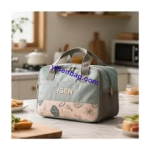


When people choose a Lunch Bag for work, school, travel, or outdoor activities, the outer appearance is usually the first thing they notice, while the materials hidden inside determine how the bag performs during everyday use. An insulated design is not simply an ordinary bag with a thicker wall. It normally contains several layers that work together to reduce heat transfer, protect food from the surrounding environment, and create a practical space for meals and drinks. Yisenbag develops cooler bag solutions with attention to insulation materials, interior structure, fabric selection, closure design, and carrying comfort, so what is actually used inside an insulated Lunch Bag?
The Insulation Layer
The insulation layer is one of the key parts of an insulated food bag. Its main purpose is to slow the movement of heat between the contents and the outside environment. When chilled food is placed inside, insulation can help reduce the influence of warmer surrounding air. When warm food is packed, the same principle helps slow heat loss.
Different designs may use different insulating materials according to the intended application, construction method, cost requirements, and desired flexibility. Foam based materials are commonly found in soft insulated bags because they can provide a lightweight structure while fitting around the shape of the bag. The thickness and density of the insulation also influence the overall construction.
However, insulation should not be considered separately from the rest of the product. A useful food carrier depends on how the insulation works with the lining, outer fabric, zipper, seams, and opening. A carefully assembled structure helps create a stable interior environment during normal carrying and storage.
The Inner Lining
The lining forms the surface that comes into direct contact with the food containers, bottles, ice packs, and other items placed inside the bag. Because meals may contain moisture, sauces, condensation, or small spills, the lining needs to suit the intended use.
A suitable inner lining can create a smoother surface that is easier to wipe after use. It also separates food and moisture from the insulation layer, helping protect the internal structure. Depending on the product design, manufacturers may select materials with water resistant characteristics or surfaces designed for convenient cleaning.
The lining also affects the appearance of the inside. A neat interior can make it easier for users to organize containers and locate smaller items. For a bag intended for office lunches, school meals, picnics, or short trips, practical interior organization can be just as important as temperature retention.
The Outer Fabric
Although the outer fabric sits outside the insulation, it still plays an important role in the overall construction. It protects the internal layers during transportation and daily handling while giving the product its visual character.
Common choices can include polyester, nylon, laminated fabrics, and other textile constructions selected according to the product requirements. The choice depends on factors such as durability, appearance, flexibility, printing requirements, and the environment where the bag will be used.
A lunch carrier designed for commuting may focus on a clean appearance and comfortable handling, while an outdoor model may require a sturdier fabric and reinforced construction. For a branded product, the outer material also provides an area for color matching, printed graphics, labels, or logos.
Zippers, Seams, and Structural Details
A functional insulated bag is made from several panels rather than one continuous piece. These panels need to be joined carefully so that the insulation remains positioned correctly and the bag keeps its intended shape.
The zipper is another important component. A well-positioned closure helps keep the contents enclosed and reduces unnecessary exposure of the interior to surrounding air. The zipper design can also affect how easily users place and remove food containers.
Seams deserve attention as well. Stitching connects the fabric panels and supports the shape of the finished product. Reinforced areas may be useful around handles, shoulder straps, corners, and other points that experience regular pulling or carrying pressure.
These details may seem small when viewed separately, but they influence the experience of using the finished product. A bag that opens smoothly, stands properly, holds its shape, and can be wiped clean is usually easier to integrate into a daily routine.
How the Layers Work Together
The most useful way to understand an insulated bag is to view it as a complete structure rather than focusing on one material. The outer fabric protects the product, the insulation slows heat transfer, and the inner lining creates the food contact area. The zipper, seams, handles, and supporting panels then complete the functional structure.
Temperature retention also depends on how the bag is used. The surrounding temperature, the condition of the food when packed, the use of cold packs, the amount of empty space, and how frequently the zipper is opened can all affect the internal environment.
For this reason, manufacturers need to consider the intended scenario before selecting materials. A compact office lunch carrier has different requirements from a large picnic cooler or an insulated delivery bag. Capacity, opening size, carrying method, insulation thickness, lining selection, and exterior fabric can all be adjusted around the application.
Design for Different Everyday Applications
Insulated food carriers are used in many situations. Office workers may need a compact design that fits meal containers and drinks without taking up unnecessary space. Students may require a lightweight bag that can be carried easily throughout the school day. Families heading outdoors may prefer a larger structure with additional storage space.
Picnic and travel products can also include wider openings, sturdy handles, shoulder straps, or separate pockets. For food delivery applications, capacity and structural stability can become important design considerations. Promotional products may place greater attention on logo placement, colors, packaging, and brand presentation.
This variety explains why custom manufacturing is useful for businesses developing their own bag collections. A single standard construction may not suit every market or customer group.
Customization and Manufacturing Considerations
For brands purchasing insulated bags in bulk, material selection is only one part of the development process. The factory also needs to consider dimensions, compartment arrangement, closure type, handle design, fabric color, logo application, and packaging requirements.
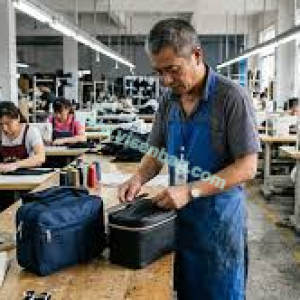
Yisenbag provides OEM and ODM bag manufacturing services and offers customization for cooler bags, including fabric, insulation material, size, color, logo, compartment layout, handles, and zippers. Its cooler bag range includes soft insulated designs, waterproof options, large capacity models, lunch coolers, and other formats intended for food storage and outdoor use.
A suitable production partner can help turn a general product concept into a bag with a defined structure and practical application. Sample development is particularly useful because it allows the manufacturer and buyer to examine the interior space, material combination, closure operation, carrying method, and visual presentation before final production.
For buyers, this process can also make communication clearer. Instead of focusing only on the appearance of a finished sample, they can discuss the intended users, food containers, carrying conditions, insulation expectations, cleaning needs, and branding requirements with the factory.
Choosing the Right Internal Structure
There is no single internal construction suitable for every insulated bag. A compact lunch carrier may need a flexible body and easy-clean lining, while an outdoor cooler may call for stronger insulation and a larger internal compartment. A promotional design may need to balance functional construction with brand presentation.
The important point is that each layer should have a clear purpose. Insulation handles heat transfer, the lining protects the internal compartment, the outer fabric supports the exterior, and the closure and seams help complete the structure. When these elements are planned together, the finished bag can provide a practical solution for carrying meals, drinks, snacks, and chilled products.
For brands, retailers, distributors, and organizations developing food carrying products, Yisenbag offers a range of manufacturing and customization options, and its product information can be reviewed through https://www.yisenbag.com when selecting an insulated Lunch Bag design suited to a specific market, carrying habit, or branding project.