

What Is the Difference Between a Manual and Electric Pepper Grinder?
A Pepper Grinder is a simple kitchen accessory, yet its operating method can change the way users prepare and season food. Manual and electric models are designed for the same basic purpose, but their structures, controls, power sources, and handling experiences are quite different. A manual model depends on hand movement, while an electric version uses a motor to complete the grinding process. For consumers, retailers, restaurants, kitchenware distributors, and private-label brands, understanding these differences can help when selecting a suitable product. So, what separates a manual pepper grinder from an electric one, and which features deserve attention?
How Does a Manual Pepper Grinder Work?
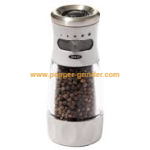
A manual pepper grinder uses physical rotation to move an internal grinding mechanism. The user normally turns the upper section, handle, or knob, causing whole peppercorns to pass through the grinding core. Depending on the design, the mechanism can produce fine, medium, or coarse particles.
One reason manual models remain popular is their straightforward construction. There is no motor, charging port, or battery compartment involved in the basic grinding process. Users simply fill the container with peppercorns and rotate the grinder when seasoning is required.
Manual designs can also provide a direct sense of control. The user decides how long to grind and how much pepper to release. For people who enjoy traditional kitchen tools, this physical interaction can be part of the cooking experience rather than an inconvenience.
The design also works well in places where electrical power is unavailable. A manual grinder can be used at a dining table, outdoor cooking area, camping site, restaurant, or home kitchen without needing a power source.
How Does an Electric Pepper Grinder Work?
An electric model replaces hand rotation with a motor-driven grinding system. After the user activates the control, the motor turns the internal grinding mechanism and processes the peppercorns.
The operation is generally simple. A button, switch, or other control starts the grinding action, allowing the user to season food without manually rotating the grinder. This can be useful when cooking requires frequent seasoning or when one-handed operation is preferred.
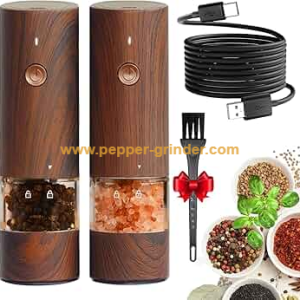
Electric models can also include different functional configurations. Depending on the product, buyers may find adjustable grinding settings, rechargeable power systems, battery-operated designs, illumination, portable structures, or one-hand controls.
Funansheng's electric product range includes models with different configurations, including rechargeable grinders, portable designs, adjustable coarseness, lighting, and one-hand operation. This allows kitchenware buyers to consider several product directions when building a collection.
Grinding Control Is an Important Difference
Grinding control is an important consideration when comparing manual and electric products. Pepper is used in many types of dishes, and the preferred particle size can vary depending on the recipe.
Fine pepper can work well with sauces, soups, dressings, and dishes where a subtle texture is preferred. Coarser particles may be selected for grilled meat, salads, roasted vegetables, and table seasoning. Because of these different requirements, an adjustable grinding mechanism can be useful.
Manual grinders generally allow users to adjust the mechanism directly. Some designs use a knob at the bottom or top of the grinder, while others use an internal adjustment structure.
Electric grinders can also provide adjustable coarseness. The operating method may be different, but the goal is similar: allowing users to select a grinding texture according to their cooking preferences.
For manufacturers and distributors, adjustable grinding functions can also expand the potential applications of a single product design. A grinder that supports several particle sizes can be presented to a wider group of kitchenware customers.
Convenience and User Experience
Convenience is another major difference. A manual grinder requires repeated hand movement, which some users enjoy and others may find inconvenient during frequent cooking.
An electric model reduces this physical action. The user can activate the grinder with a control instead of repeatedly rotating the body. This feature can be particularly useful when someone is preparing food while holding another utensil.
However, convenience does not mean that every user will prefer an electric product. Some consumers appreciate the mechanical simplicity of manual grinders. They may prefer a product that does not depend on batteries or charging and can be used immediately whenever needed.
This difference in user preference creates separate opportunities for both product categories. A kitchenware brand does not necessarily need to choose only one direction. Manual and electric grinders can serve different customer groups within the same product portfolio.
Materials and Construction
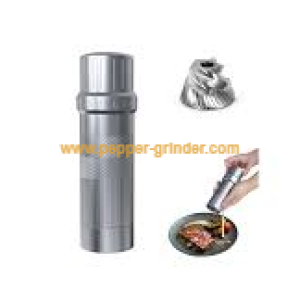
The materials used in a grinder can influence its appearance, handling, durability, and market positioning. Stainless steel is commonly used in modern kitchenware because it provides a clean appearance and works well with contemporary product designs.
Manual grinders may also use wood, acrylic, ceramic components, or combinations of different materials. The choice depends on the desired appearance, target market, manufacturing process, and internal grinding mechanism.
Electric grinders require additional structural consideration because the housing needs to accommodate the motor, power system, control components, and grinding mechanism. Rechargeable products may also require space for a battery and charging interface.
For B2B buyers, examining the complete construction is important. A visually attractive grinder still needs a practical internal structure, suitable grinding components, convenient filling access, and an operating method that matches its intended market.
Refill Design and Daily Maintenance
The way peppercorns are added to the grinder can affect daily use. A practical container should allow users to refill the product without unnecessary steps. Transparent sections can also let users see the remaining contents, while an opaque body can create a cleaner exterior appearance.
Maintenance should also be considered during product development. A grinder is regularly exposed to food ingredients, so the grinding area and container need to be designed with practical cleaning in mind.
Manual models have relatively simple operating structures, although users still need to keep the grinding mechanism dry and clean. Electric models require similar care around the grinding chamber, while the electrical components require additional attention.
For rechargeable products, charging and storage also become part of the user experience. A well-designed charging structure can fit naturally into everyday kitchen use without creating unnecessary complexity.
Which Model Fits Different Applications?
Manual and electric grinders can both serve household kitchens, restaurants, hotels, dining tables, gift sets, and kitchenware collections, but the preferred design can vary by application.
Manual models may suit traditional kitchenware ranges and consumers who appreciate mechanical operation. They can also be useful for outdoor situations because they do not depend on electricity.
Electric models can fit modern kitchen collections, premium-looking tableware, gift products, and households that value push-button operation. Portable electric designs can also be considered for consumers who want a compact seasoning tool.
For distributors, carrying both types can provide a broader selection. A retailer may offer a basic manual model alongside a rechargeable electric version, allowing customers to choose according to their habits and budget.
What Should Wholesale Buyers Consider?
For wholesale buyers, product selection involves several factors beyond appearance. Grinding performance, adjustment structure, materials, operating method, container capacity, packaging, production consistency, and customization options can all influence a purchasing decision.
The target market should be considered first. A traditional kitchenware collection may require a different appearance and operating method from a modern smart-looking kitchen accessory line. Similarly, hospitality buyers may focus on practical operation, while gift-product brands may pay closer attention to presentation.
Packaging can also be important for retail products. A suitable package can protect the grinder during transportation while presenting the product clearly to consumers.
Customization is another consideration for private-label businesses. Depending on the project, buyers may require a particular body finish, color, logo, packaging design, product combination, or structure. Working directly with a manufacturer can simplify communication between product requirements and production.
Why Manufacturer Experience Matters
A manufacturer with experience in both manual and electric categories can provide useful options when a buyer is developing a kitchenware range. Instead of sourcing each product from a separate supplier, a buyer may be able to discuss related product categories with one factory.
Yongkang Funansheng Industry & Trade Co., Ltd. has been operating since 2012 and focuses on pepper mills and coffee grinders. Its product lines include electric salt and pepper mills, manual salt and pepper mills, manual coffee grinders, and spice jars. The company also states that its products are produced to meet certifications and standards including CE/EMC, FDA, LFGB, RoHS, ISO9001:2015, and BSCI.
Its current product range covers several electric designs, including rechargeable models, stainless steel grinders, portable products, adjustable models, and one-hand operation versions. The manual range also includes stainless steel and ceramic grinding options.
This product variety can be useful for importers and kitchenware brands that are comparing different specifications for different markets. Instead of viewing manual and electric grinders as competing products, buyers can treat them as separate solutions for different consumer preferences.
Selecting the Right Pepper Grinder for a Product Line
When choosing a grinder for a commercial product line, it is useful to consider the complete user journey. How will the product be filled? How will the grinding setting be adjusted? Is the operation suitable for the target consumer? Does the product need a rechargeable system? What type of packaging will be used? Will the product be sold individually or as part of a kitchenware set?
These questions can help buyers define the required product structure before contacting a factory. They can also reduce unnecessary changes during development.
For brands that want a traditional product, a manual grinder may provide the desired mechanical experience. For a modern kitchenware collection, an electric model may fit the intended product style. There is also room for different combinations, such as stainless steel bodies, ceramic grinding mechanisms, adjustable settings, rechargeable systems, and compact designs.
For buyers looking for a Pepper Grinder supplier with both manual and electric product options, Yongkang Funansheng Industry & Trade Co., Ltd. provides a range that can support different kitchenware concepts, from traditional hand-operated mills to rechargeable electric models, and its product collection can be explored at https://www.pepper-grinder.com/product when reviewing models for wholesale, private-label, or customized kitchenware projects.