
A sports injury can make even simple movements uncomfortable. Athletes may struggle with running, jumping, lifting, throwing, or getting through a normal workout. When pain continues after an injury, knowing which treatment may help can be just as important as identifying the injury itself. Sports injury treatment in Ennis may include several approaches, depending on whether the problem involves a muscle, tendon, ligament, joint, or bone.
Treatment does not always mean surgery or complete rest. Many sports injuries are initially managed with conservative care and a gradual rehabilitation program. The right approach depends on the injury, its severity, the athlete’s activity level, and how the body responds to treatment. A proper evaluation can help determine which combination of treatments may support recovery.
What are the Main Treatments for Sports Injuries?
Sports injury care is usually tailored to the individual. A mild strain may improve with activity changes and rehabilitation, while a serious ligament or tendon injury may need additional medical treatment. The goal is generally to reduce symptoms while restoring normal movement, strength, stability, and function.
For athletes in Ennis, treatment may involve a sports medicine physician, physical therapist, orthopedic specialist, or other qualified healthcare professional. The five approaches below are commonly considered when managing sports-related muscle, joint, tendon, and ligament problems.
1. Activity Modification and Early Injury Care
The first step for many sports injuries is reducing activities that increase pain or swelling. This does not necessarily mean staying completely inactive. Depending on the injury, gentle movement may be encouraged while high-impact or painful activities are temporarily reduced. Early care may also involve ice, compression, elevation, or temporary protection of the injured area.
This approach gives irritated or injured tissues time to recover while avoiding unnecessary stress. For example, an athlete with an ankle sprain may temporarily reduce running and jumping while gradually restoring movement. The appropriate level of activity depends on the injury, and returning to full training too quickly may interfere with recovery.
2. Physical Therapy and Rehabilitation
Physical therapy for athletes in Ennis can be an important part of recovery, particularly when an injury causes weakness, stiffness, reduced balance, or limited movement. A physical therapist can develop exercises that match the athlete’s condition and gradually increase the difficulty as recovery progresses.
Rehabilitation may begin with basic movement and strengthening exercises before progressing to balance, coordination, endurance, and sport-specific activities. For an athlete returning to running, for example, therapy may eventually include controlled running drills. For a basketball player, rehabilitation may focus on jumping, landing, cutting, and lower-body control.
3. Pain and Inflammation Management
Managing pain can make it easier for patients to move comfortably and participate in rehabilitation. Depending on the injury and the patient’s health history, a healthcare professional may recommend appropriate pain-relief strategies. These may include certain over-the-counter medicines, activity changes, ice, or other treatments.
Pain management should not be viewed as a substitute for treating the underlying injury. If pain repeatedly returns when an athlete resumes training, the cause may need further evaluation. A healthcare professional can help determine whether continued rehabilitation, additional testing, or another treatment approach is appropriate.
4. Bracing and Supportive Treatment
Some sports injuries benefit from temporary support while the affected area heals. Depending on the injury, this may include a brace, splint, walking boot, compression support, athletic tape, or crutches. Support can reduce stress on an injured joint and may make everyday movement more comfortable during the early stages of recovery.
Supportive treatment is not the same for every injury. An ankle sprain, knee injury, and shoulder problem may each require a different type of support. As symptoms improve, the healthcare professional may recommend gradually reducing reliance on the brace or other device while rebuilding strength and stability through rehabilitation.
5. Injections or Surgical Treatment When Needed
Some injuries do not improve enough with conservative treatment. Depending on the condition, a healthcare professional may consider an injection to help manage pain or inflammation. Injections are not appropriate for every injury, and the type of injection, potential benefits, and risks should be discussed with a qualified provider.
Surgery is generally considered when the injury is significant or when appropriate nonsurgical treatment does not restore adequate function. Certain complete tendon tears, unstable ligament injuries, fractures, or other structural problems may require surgical evaluation. Rehabilitation is often an important part of recovery after surgery as well.
How Do You Choose the Right Sports Injury Treatment?
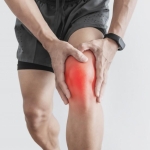
The right treatment depends on what has actually been injured. Pain in the knee, for example, can have several different causes, and treating the pain without identifying the source may not address the underlying problem. A medical evaluation can help determine whether the issue is related to a muscle, tendon, ligament, cartilage, bone, or another structure.
A Ennis sports doctor consultation may include a review of your symptoms, activity level, previous injuries, and the event that caused the problem. The affected area may also be examined for movement, strength, swelling, tenderness, and stability. Imaging may be recommended when additional information is needed.
Why Rehabilitation is Important for Athletes?
Returning to sport is about more than feeling less pain. An athlete may still have weakness, reduced flexibility, poor balance, or limited joint control even after symptoms begin to improve. These issues can make demanding sports movements difficult and may affect how the body handles training.
A structured rehabilitation program can gradually rebuild these abilities. Depending on the injury, therapy may focus on strength, flexibility, balance, coordination, endurance, and sport-specific movement. The progression should be adjusted according to the athlete’s response to treatment rather than following an identical schedule for everyone.
Finding the Right Sports Medicine Clinic in Ennis
When looking for a sports medicine clinic Ennis athletes can access, consider the type of injury and treatment you may need. Some clinics provide sports medicine evaluations, while others focus primarily on physical therapy or orthopedic care. A coordinated approach may be useful when an injury requires both medical assessment and rehabilitation.
Ennis has several facilities offering sports medicine, orthopedic, and physical therapy services. Patients can ask about the provider’s experience with their specific injury, available treatment options, rehabilitation services, and the expected process for returning to physical activity.
What is Orthopedic Sports Therapy?
Ennis orthopedic sports therapy focuses on restoring function after injuries affecting the muscles, joints, tendons, ligaments, and other parts of the musculoskeletal system. Treatment may involve exercises, manual techniques, movement training, balance work, and gradual strengthening.
The program can be adjusted according to the athlete’s sport and recovery needs. Someone recovering from an ankle injury may need balance and lower-leg strengthening, while someone with a shoulder problem may need exercises focused on shoulder movement and upper-body control.
When Should You Seek Treatment?
Consider a medical evaluation if sports pain continues despite rest or activity changes. You should also seek professional care when swelling, weakness, instability, limited movement, or difficulty bearing weight interferes with normal activities.
More urgent assessment may be appropriate after a serious accident or when there is severe pain, obvious deformity, significant swelling, or an inability to use the injured body part. Prompt evaluation can help identify injuries that may require more specialized care.
Frequently Asked Questions
What is the first treatment for a sports injury?
Initial treatment often involves protecting the injured area and reducing activities that increase pain or swelling. Ice, compression, elevation, and appropriate rest may be useful for certain acute injuries. However, the exact approach depends on the injury. Persistent or severe symptoms should be evaluated rather than managed indefinitely at home.
Is physical therapy better than complete rest?
Complete rest is not necessary for every sports injury. Once it is safe to move, controlled activity and rehabilitation may help restore strength, flexibility, balance, and function. The type and timing of exercise should depend on the injury. A physical therapist can help determine which movements are appropriate during recovery.
Can a sports injury heal without surgery?
Yes. Many sports injuries can improve with nonsurgical care such as activity modification, physical therapy, pain management, and supportive devices. However, some serious injuries may require surgical evaluation. The decision depends on the specific tissue involved, the severity of the injury, symptoms, and functional limitations.
How do I know when I am ready to return to sports?
Pain improvement is only one part of recovery. The injured area may also need adequate strength, movement, balance, stability, and control before full sports activity is resumed. A gradual return can allow the athlete to increase activity while monitoring symptoms and physical performance.
Can treatment prevent another sports injury?
Rehabilitation may help address weakness, poor balance, reduced flexibility, or movement problems that can contribute to repeated injuries. Strength and conditioning can also support the demands of a particular sport.
Conclusion
The right treatment can depend greatly on the type and severity of a sports injury. From early activity modification and physical therapy to supportive devices, pain management, injections, or surgical evaluation, treatment should be selected according to the individual condition. If an injury is keeping you away from sports, exercise, or normal activities, consider getting a professional evaluation. Sports injury treatment in Ennis can help you understand your treatment options and develop a recovery plan suited to your needs.