

A toothache can be easy to dismiss at first. You may take extra care while chewing, avoid cold drinks, or wait to see whether the discomfort settles. But when symptoms continue, it is worth finding out what is causing them.
For patients searching for root canal treatment in Adajan, the biggest question is often simple: “What will happen if my dentist recommends a root canal?” Understanding the process can make the situation less uncertain.
The Toothache May Be a Clue, Not a Diagnosis
Dental pain can feel different depending on the underlying problem.
Some people experience sharp pain when biting. Others notice lingering sensitivity after hot or cold foods. There may also be tenderness, swelling, or discomfort that seems difficult to pinpoint.
These symptoms can occur with several dental conditions, so it is important not to assume that every toothache means a root canal is required.
A dentist needs to examine the tooth before recommending treatment.
Understanding the Pulp
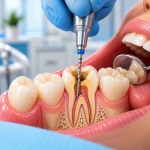
The pulp is located at the center of a tooth. It contains nerves and blood vessels and is surrounded by harder layers of tooth structure.
When deep decay, trauma, cracks, or other problems damage the pulp, inflammation or infection can develop.
Root canal therapy is designed to address this internal problem. Instead of removing the entire tooth, the dentist treats the inside and retains the natural tooth when clinically appropriate.
What Makes Root Canal Treatment Different From a Filling?
A filling generally repairs a tooth after decay has affected its outer structure.
Root canal treatment goes further because it addresses the pulp and root canal system inside the tooth.
During a root canal, the dentist accesses the pulp chamber, removes affected tissue, cleans the canals, and seals them. The tooth can then be restored according to its condition.
Understanding this difference can help patients better understand why a dentist may recommend one treatment instead of another.
Preparing for Root Canal Treatment
If your dentist recommends root canal treatment in Adajan, ask questions before beginning.
You can ask your dentist to explain:
- What is happening inside the tooth
- Why root canal therapy has been recommended
- How the treatment will be performed
- Whether additional restoration will be needed
- How to care for the tooth afterward
There is no need to feel embarrassed about asking for an explanation. Knowing what to expect is an important part of feeling comfortable with dental care.
What Happens After the Root Canal?
The tooth may feel different for a short period following treatment. Your dentist will provide specific instructions based on your case.
You may need to be careful about chewing until the tooth receives its final restoration. Maintaining normal oral hygiene remains important, including brushing and cleaning between your teeth.
If you experience significant or continuing discomfort after treatment, contact your dentist rather than trying to manage the issue indefinitely on your own.
Protecting Your Natural Tooth
A root canal is intended to treat the inside of a tooth while allowing the natural tooth to remain when appropriate.
But treatment is only one part of long-term dental care. The treated tooth still needs regular cleaning and protection from excessive forces. Follow-up appointments can also help your dentist monitor the tooth and its restoration.
Good everyday oral hygiene remains important even after the immediate dental problem has been addressed.
When Should You Seek Professional Advice?
If tooth pain keeps returning, sensitivity lingers, or you notice swelling around a tooth, consider arranging a dental examination rather than waiting for the symptoms to become more disruptive.
If you are researching root canal treatment in Adajan, professional evaluation can help determine whether root canal therapy is actually appropriate for your situation.
Take the Next Step With White Nest Dental
If you have been searching for root canal treatment in Adajan because of persistent tooth discomfort, White Nest Dental can help you take the next step toward understanding the problem. An appointment gives you an opportunity to describe your symptoms, have the affected tooth examined, and discuss the treatment options available for your situation. If root canal therapy is recommended, you can ask questions about the procedure, restoration, and aftercare before making a decision. The goal is to help you approach your dental care with clear information rather than uncertainty or assumptions.