
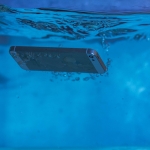


The 3-proof phone market is gaining attention as mobile users increasingly look for devices that can remain dependable in demanding environments. Unlike conventional smartphones that are primarily designed for everyday indoor use, 3-proof phones focus on durability and resilience. Their designs are intended to provide protection against common environmental challenges such as water exposure, dust, accidental drops, impacts, and rough handling. This combination makes them attractive to people who work outdoors, travel frequently, participate in adventure activities, or simply want a mobile device built for demanding daily routines.
One important trend shaping this segment is the growing interest in rugged mobile phones, which combine practical communication capabilities with reinforced construction. Users increasingly expect their phones to remain functional when exposed to challenging surroundings. This expectation is encouraging manufacturers to focus on stronger outer structures, protected ports, reinforced screens, secure buttons, and designs that can tolerate physical stress. The result is a category that sits between conventional consumer smartphones and highly specialized communication equipment.
Durability as a Core Product Feature
Durability is becoming a central consideration when consumers evaluate mobile devices. A phone can be exposed to rain during outdoor work, dust at industrial locations, accidental drops while traveling, or impacts during recreational activities. For these users, physical protection is not simply an additional feature. It can influence the overall usefulness of the device.
Three-proof construction generally emphasizes protection from water, dust, and physical impact. Manufacturers can approach this objective through reinforced frames, sealed openings, protective materials, and carefully designed internal components. These features help create phones that are better suited to environments where conventional devices may require additional protection.
The focus on durability also changes the way consumers think about smartphone ownership. Instead of selecting a phone solely according to appearance, camera capabilities, or processing performance, some users are considering how well a device can withstand their lifestyle. This creates opportunities for brands that can successfully combine toughness with convenient everyday functionality.
Growing Appeal Among Outdoor Users
Outdoor activities represent an important area of interest for 3-proof phone manufacturers. Hiking, camping, cycling, trekking, fishing, and other recreational activities can expose smartphones to moisture, dust, falls, and temperature changes. A durable device can provide users with greater confidence when they take their phones into less controlled environments.
Outdoor workers can also benefit from phones designed for demanding surroundings. Construction personnel, agricultural workers, logistics teams, maintenance professionals, and field technicians may need reliable mobile communication throughout their working day. In such environments, a phone with additional protection can become a practical work tool rather than simply a personal communication device.
This broader appeal allows the market to serve both professional and consumer audiences. Manufacturers can develop products with different combinations of durability, battery endurance, connectivity, display visibility, and software capabilities depending on the intended user.
Technology and User Expectations
Modern users still expect durable phones to provide familiar smartphone functionality. A rugged design alone is no longer enough to differentiate a product. Consumers may also consider display quality, cameras, battery performance, connectivity, navigation capabilities, storage, software usability, and overall handling.
This creates an interesting product-development challenge. Manufacturers need to strengthen devices without making them unnecessarily bulky or difficult to use. A successful 3-proof phone therefore needs to balance protection with portability and convenience.
Design innovation can play a major role in this process. Improvements in protective materials, internal component placement, sealing techniques, and screen protection can help manufacturers create more practical devices. At the same time, software improvements can make these phones useful for professional applications, outdoor navigation, communication, documentation, and productivity.
Opportunities Across Professional Applications
The professional market provides another important opportunity. Field-based businesses often depend on mobile devices for communication, scheduling, documentation, navigation, inventory management, and operational coordination. A phone designed to withstand demanding working conditions can reduce concerns associated with accidental physical damage.
Industries involving construction, transportation, manufacturing, agriculture, utilities, security, and field services can therefore represent potential application areas. Employees working outside traditional office environments may value reliability more than a conventional premium smartphone design.
The expansion of connected workplace tools could further increase the usefulness of durable mobile devices. As phones become more integrated into professional workflows, businesses may look for hardware capable of supporting those workflows in difficult conditions.
Future Direction of the Market
The future of the 3-proof phone market is likely to center on the combination of durability, functionality, and user-friendly design. Manufacturers will need to respond to consumers who want protection without sacrificing the experience associated with modern smartphones.
Another important direction is product specialization. Different users have different requirements, so manufacturers may continue developing devices for industrial workers, outdoor enthusiasts, emergency-oriented applications, and general consumers seeking greater durability.
Overall, the market is evolving around a straightforward consumer need: dependable mobile technology that can handle more demanding surroundings. As mobile devices become increasingly important for communication, work, navigation, and entertainment, durability can become an increasingly valuable part of product design.
FAQs
1. What is a 3-proof phone?
A 3-proof phone is a mobile device designed with enhanced protection against environmental and physical conditions such as water, dust, and impacts.
2. Who can benefit from 3-proof phones?
Outdoor enthusiasts, field workers, travelers, construction professionals, logistics personnel, and consumers seeking a more durable mobile device can benefit from 3-proof phones.