
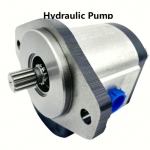
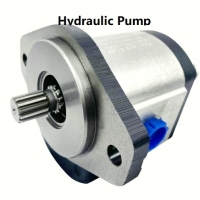
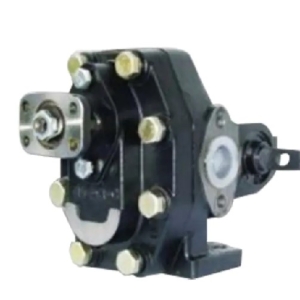
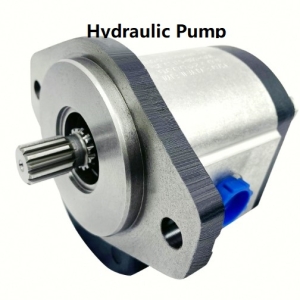
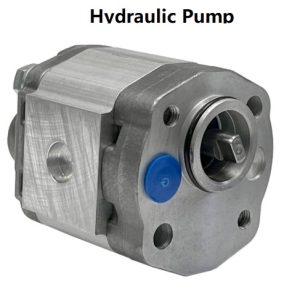
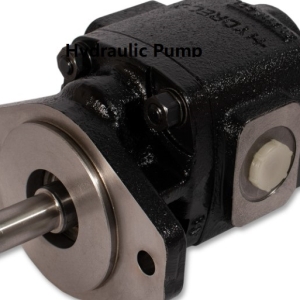
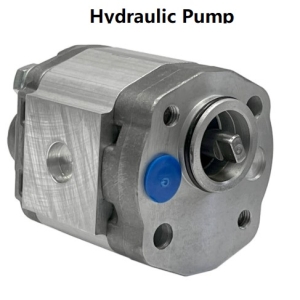
When industrial equipment needs consistent hydraulic power, choosing the right pump can make everyday operations smoother and easier to manage. A KP Gear Pump is worth considering for machinery that requires a practical way to move hydraulic fluid, while a Hydraulic Gear Pump can support different equipment designs depending on its specifications and operating conditions. Before selecting a KP Gear Pump for a new installation or replacement project, buyers should understand how a Hydraulic Gear Pump fits into the system, what performance factors matter most, and how proper maintenance can help control operating costs.
Understand What Makes Gear Pumps Practical
Gear pumps work through a relatively straightforward mechanical principle. Inside the pump housing, rotating gears move fluid from the inlet toward the outlet. The close fit between the gears and casing helps direct the fluid through the pump, allowing mechanical rotation to produce hydraulic flow.
This design is useful in applications where a compact pumping unit and predictable fluid delivery are important. Depending on the model, gear pumps may be incorporated into industrial machinery, mobile equipment, agricultural systems, and other hydraulic installations.
Their straightforward construction can also make inspection and servicing more manageable than with some more complex pump designs. However, simplicity does not mean every pump is suitable for every application. Internal clearances, material quality, operating pressure, and manufacturing precision all influence performance.
For equipment owners, the important question is not simply whether a gear pump can move fluid. It is whether the selected model can deliver the required flow under the actual conditions in which the machine operates.
Match Pump Specifications to Real Operating Needs
A pump should be selected according to the hydraulic system's requirements rather than appearance or price alone. Choosing a model with unsuitable specifications may result in slow actuator movement, unnecessary heat, excessive energy use, or premature component wear.
Several factors deserve attention before purchasing:
-
Displacement and flow rate: Determine how much hydraulic fluid the system needs and how quickly the equipment must respond.
-
Operating pressure: Confirm the required working pressure and ensure the pump is rated for the intended application.
-
Rotational speed: Check the drive motor or engine speed against the pump's permitted operating range.
-
Fluid characteristics: Verify that the hydraulic fluid's viscosity and composition are compatible with the pump and its seals.
-
Installation dimensions: Confirm the shaft configuration, mounting flange, port locations, and available space.
These specifications should be considered together. For example, increasing pump speed may increase theoretical flow, but it can also affect inlet conditions, noise, temperature, and component wear.
It is equally important to distinguish between theoretical output and actual delivered flow. Internal leakage and operating conditions can affect the amount of fluid reaching the hydraulic circuit. Reviewing manufacturer specifications helps buyers make a more realistic comparison.
Explore Application Options With Liming-Machine
Different industries place different demands on hydraulic equipment. A construction machine may need consistent power for lifting and positioning, while agricultural machinery may require reliable operation across changing workloads. Manufacturing equipment may place greater emphasis on repeatable movement and predictable operating cycles.
When evaluating a pump for these applications, consider the complete hydraulic system rather than the pump in isolation. Valves, cylinders, filters, hoses, reservoirs, and drive components all influence how the system performs.
For replacement projects, recording the existing pump's model number and specifications is a useful starting point. However, an identical-looking replacement is not necessarily compatible. Confirm the displacement, pressure rating, rotation direction, shaft dimensions, and port arrangement before ordering.
For new installations, provide the supplier with the machine type, required flow, operating pressure, drive speed, and working environment. This information makes technical comparisons more meaningful and can help avoid unnecessary modifications during installation.
A suitable pump should meet the machine's actual requirements while remaining practical to install, operate, and maintain over time.
Recognize Performance Problems Before They Grow
Changes in pump behavior can provide early clues that something in the hydraulic system needs attention. Unusual noise, slower movement, overheating, fluid leakage, or inconsistent performance may indicate a problem with the pump or another system component.
Not every symptom means the pump itself has failed. A restricted inlet, contaminated hydraulic oil, a blocked filter, air entering the circuit, or an incorrect pressure setting can also affect performance.
A sensible troubleshooting process starts with basic checks. Inspect fluid levels, look for visible leaks, review filter condition, and check whether the equipment is operating within its intended limits. More detailed diagnosis should follow the manufacturer's instructions and appropriate safety procedures.
Hydraulic systems can retain dangerous pressure even after machinery stops. Before inspection or repair, equipment must be safely shut down, isolated, and depressurized according to the applicable service procedure.
Addressing problems early can reduce unexpected downtime and help prevent damage from spreading to other hydraulic components.
Improve Service Life Through Consistent Maintenance
Regular maintenance helps keep hydraulic equipment operating more predictably. Clean hydraulic fluid is particularly important because particles can damage internal surfaces and accelerate wear. Following the recommended filtration and fluid-replacement schedule helps protect the pump and the rest of the circuit.
Installation quality also matters. Correct alignment, suitable couplings, secure mounting, and properly connected inlet and outlet lines can help prevent avoidable operating problems. The pump should be started and operated according to the manufacturer's instructions, including any requirements for priming or initial lubrication.
Keep records of operating hours, inspections, fluid changes, and repairs. These records can reveal recurring problems and help maintenance teams plan service before a failure interrupts production.
Ultimately, selecting a suitable pump involves balancing technical performance, compatibility, and long-term maintenance needs. To explore gear pump products and related hydraulic equipment, visit https://www.liming-machine.com and compare available options with your machinery's requirements.