


Gate Hinges For Heavy Gates require careful evaluation before buyers commit to a particular design, especially when the entrance must support frequent movement, outdoor exposure, and demanding operating conditions. For contractors, distributors, property developers, and gate manufacturers, choosing suitable hardware involves more than checking the appearance of a product. Dimensions, load requirements, mounting arrangements, material selection, and maintenance expectations all influence whether a hinge can meet the needs of a specific project. A structured purchasing process helps buyers communicate their requirements clearly and reduce avoidable installation problems.
One of the first considerations is the weight and construction of the gate itself. A steel entrance with a solid infill may place different demands on its supporting hardware than a lighter design made from aluminum or timber. Buyers should consider the complete assembled weight, overall height, width, and expected frequency of operation. The way the weight is distributed also matters because a wide gate can create leverage around its attachment points. Providing these details to a manufacturer helps establish whether a proposed configuration is appropriate for the intended application.
Mounting conditions deserve similar attention. Some entrances use posts, masonry walls, steel frames, or specially fabricated supports. Each arrangement can affect the available fixing space and the method used to secure the hardware. Before ordering, purchasers should confirm the required mounting style, hole positions, fixing dimensions, and clearance around the moving panel. These details are particularly important for replacement projects, where existing structures may limit the available options. Accurate measurements and clear drawings can help buyers and suppliers identify compatibility issues before fabrication or installation begins.
Material selection is another important part of the decision. Outdoor entrances may encounter rain, humidity, temperature changes, dust, and airborne contaminants. The surrounding environment should therefore guide the choice of metal and protective finish. Stainless steel may suit certain exposed locations, while coated steel can be appropriate for other applications when the coating and maintenance plan match the conditions. Buyers should ask about material grades, surface preparation, finishing processes, and recommended care. Coastal sites or locations exposed to industrial pollutants may require additional attention to corrosion resistance and routine inspection.
The opening pattern and daily operating conditions should also influence product selection. A pedestrian entrance used occasionally has different demands from a large vehicle entrance that opens several times each day. Buyers should identify whether the gate swings in one direction or both directions, whether it needs a wide opening angle, and whether automated equipment will be installed. They should also check for potential interference with walls, fences, adjacent panels, or nearby walkways. Discussing these conditions with the manufacturer can help determine the required arrangement and identify installation considerations before the project moves forward.
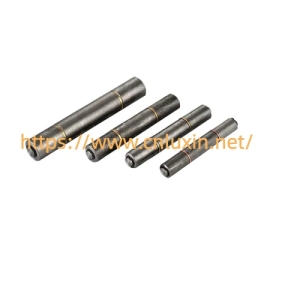
Product specifications should be reviewed alongside practical installation requirements. Important details may include overall dimensions, pin diameter, mounting plate design, fixing methods, allowable operating conditions, and compatibility with the gate structure. Where load ratings are provided, buyers should confirm how those ratings were determined and whether they apply to the intended configuration. Installation quality remains important even when the selected product matches the project requirements. Suitable supports, correctly positioned fasteners, accurate alignment, and compliance with the installation instructions all contribute to stable operation.
Maintenance planning is worth discussing before an order is placed. Depending on the design and environment, routine care may involve checking fasteners, inspecting the finish, removing accumulated debris, and following the manufacturer's lubrication recommendations. Buyers managing multiple properties may prefer to establish a regular inspection schedule and keep records of repairs or adjustments. For distributors and contractors, clear maintenance guidance also helps support communication with end users after installation. Asking about replacement components and technical documentation can make future servicing easier to organize.
Supplier communication can make the purchasing process more efficient. Buyers should prepare drawings, photographs, measurements, operating requirements, expected quantities, and delivery expectations before requesting a quotation. It is also useful to confirm customization options, sample availability, packaging arrangements, production lead times, and inspection procedures. For projects involving several gate types, organizing requirements into a specification sheet can reduce misunderstandings and make quotations easier to compare. Rather than relying on appearance alone, purchasers can evaluate each proposal against the actual demands of the project.
For manufacturers, wholesalers, and project buyers, successful sourcing begins with clear specifications and realistic expectations. Luxin provides a starting point for discussing gate hardware requirements, product configurations, and project needs with a supplier. By comparing structural details, environmental conditions, installation arrangements, and maintenance considerations, buyers can make informed decisions for their intended applications. To review available product information and discuss suitable options for upcoming projects, visit https://www.cnluxin.net/product/ and connect your purchasing requirements with the relevant product range.