



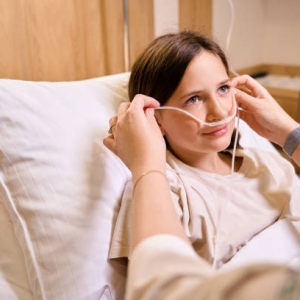
Caring for a patient who depends on a ventilator requires careful planning, consistency, and professional guidance. A structured daily routine can help families manage essential care tasks, monitor changes in the patient's condition, and maintain comfort throughout the day. Ventilator Care At Home In Dubai allows eligible patients to receive respiratory support in a familiar environment, with trained healthcare professionals helping families follow an individualized care plan. A Doctor at Home service may also support appropriate medical reviews and follow-up when available and clinically suitable. By organizing daily activities, equipment checks, hygiene, nutrition, and rest, caregivers can create a safer and more manageable home care environment.
Understand the Patient's Individual Care Plan:
Every patient receiving home ventilation has different medical needs, so the daily routine should be based on instructions from the treating clinician and the home healthcare team. The plan may include prescribed ventilator settings, medication schedules, airway care, feeding arrangements, positioning instructions, and monitoring requirements. Caregivers should understand which tasks they can safely perform and which require a trained healthcare professional. Ventilator settings must never be changed without authorization from the treating clinician. Before establishing a routine, families should ask the care team to explain the patient's normal condition, warning signs, emergency procedures, and the appropriate contact for questions. Keeping written instructions in an accessible place can help everyone involved follow the same care process.
Begin the Day With Equipment and Safety Checks:
Morning checks can help caregivers identify obvious equipment issues before continuing with the day's activities. The ventilator, tubing, connections, humidification equipment, and other prescribed accessories should be checked according to the manufacturer's instructions and the patient's care plan. Caregivers should confirm that alarms are functioning as instructed and know how to respond if an alarm sounds. They should also check that the power supply is secure and any prescribed backup equipment is available. These checks do not replace professional equipment servicing or clinical assessment. If equipment appears damaged, the ventilator repeatedly alarms, or breathing support seems interrupted, caregivers should follow the emergency instructions provided by the clinical team and seek urgent help when needed.
Follow a Consistent Personal Hygiene Routine:
Personal hygiene is an important part of daily care because it supports comfort, skin health, and infection prevention. The timing and type of bathing, oral care, and grooming should reflect the patient's mobility, medical condition, and airway support needs. Caregivers should wash their hands before and after care activities and follow professional instructions when handling respiratory equipment or a tracheostomy. If the patient has a tracheostomy, site care and suctioning should only be performed by people who have received appropriate training and are authorized to carry out those tasks. A daily hygiene checklist may include:
-
Providing oral care according to the care plan.
-
Helping the patient wash, bathe, and groom safely.
-
Checking skin for redness, irritation, or pressure-related changes.
-
Keeping bedding and clothing clean and dry.
-
Following prescribed tracheostomy and airway care instructions.
-
Reporting unusual secretions, bleeding, swelling, or other concerning changes.
Organize Medication and Nutrition Schedules:
Medication and nutrition routines should follow the patient's prescriptions and recommendations from the healthcare team. Some ventilator-dependent patients can eat and drink normally, while others may need modified food textures, swallowing assessments, or tube feeding. Families should never assume that a patient can safely eat or drink without confirming this with the treating clinician, especially if swallowing difficulties are present. Use a written schedule to record medication names, prescribed doses, feeding times, and any instructions about timing or administration. Do not change doses or stop prescribed medication without medical advice. Caregivers should document missed doses, feeding difficulties, vomiting, or other unexpected problems and contact the healthcare team for guidance when necessary.
Schedule Regular Monitoring Throughout the Day:
Monitoring helps caregivers recognize changes in a patient's condition and communicate useful information to healthcare professionals. The specific observations and frequency should be determined by the clinical team rather than applying the same schedule to every patient. Depending on the care plan, monitoring may include breathing pattern, oxygen saturation, heart rate, temperature, alertness, comfort, and changes in secretions. Record observations in a notebook or approved monitoring chart, including the time and any symptoms noticed. Equipment readings should be interpreted in the context of the patient's condition and clinical instructions. Severe breathing difficulty, blue or grey lips, sudden confusion, unusual unresponsiveness, or suspected interruption of ventilation requires urgent action under the patient's emergency plan and may require emergency services.
Include Safe Movement and Comfortable Positioning:
Appropriate positioning and movement can support comfort and may help reduce the risk of pressure injuries for patients who spend long periods in bed or a chair. However, the correct approach depends on the patient's diagnosis, mobility, airway equipment, and any medical restrictions. Follow recommendations from the treating clinician, nurse, or physiotherapist regarding repositioning, transfers, range-of-motion exercises, and mobility assistance. Make sure ventilator tubing and other connections remain safely arranged during movement, and never pull on airway equipment. A daily routine can include scheduled position changes, skin checks, and prescribed exercises when appropriate. Stop an activity and seek clinical guidance if the patient develops unusual breathlessness, pain, distress, or other concerning symptoms.
Create a Calm Schedule for Rest and Communication:
Rest, reassurance, and communication are essential elements of patient-centred care. Patients who use ventilators may experience fatigue, discomfort, anxiety, or difficulty communicating, depending on their condition and ventilation method. Families can plan quiet periods, comfortable activities, and opportunities for the patient to express preferences and concerns. Communication boards, writing tools, gestures, or approved assistive devices may be helpful for some patients. Keep the sleeping area comfortable and arrange equipment so that caregivers can access it safely without creating trip hazards. Night-time care requirements should be clearly established with the healthcare team, including who will monitor the patient, respond to alarms, and provide assistance when necessary.
Prepare a Clear Night-Time Care Routine:
An organized evening routine helps caregivers prepare the patient and equipment for overnight care. Before bedtime, follow the prescribed instructions for hygiene, medication, positioning, and equipment checks. Ensure the ventilator and any required backup power arrangements are ready, and keep emergency contact details accessible. Caregivers should understand whether continuous observation or a trained overnight professional is required for the individual patient; this should be determined by the clinical team, not by convenience alone. Never disable alarms or ignore equipment warnings to avoid disturbing sleep. If the patient's breathing changes, the ventilator malfunctions, or a serious warning sign develops, follow the emergency plan immediately.
Keep a Daily Care Checklist and Communicate With Professionals:
A written checklist can make daily care more consistent, especially when multiple family members or professional caregivers share responsibilities. It can also help the healthcare team identify patterns and make informed decisions during follow-up appointments. A practical checklist may include:
-
Morning equipment and safety checks.
-
Hygiene, skin care, and prescribed airway care.
-
Medication and nutrition records.
-
Monitoring observations required by the care plan.
-
Repositioning, mobility, and comfort measures.
-
Equipment concerns, alarms, or unusual symptoms.
-
Evening checks and overnight care arrangements.
-
Questions or updates for the treating healthcare team.
The checklist should remain flexible enough to accommodate medical appointments, changing symptoms, and individual preferences. Families should promptly report significant changes rather than waiting for the next routine review.
Know When to Seek Medical Assistance:
Even a carefully planned routine cannot prevent every complication, so caregivers must know when to seek help. New or worsening breathing difficulty, persistent changes in prescribed monitoring readings, fever, unusual secretions, signs of infection, or repeated equipment alarms should be reported promptly according to the care plan. Severe respiratory distress, blue or grey lips, loss of consciousness, or suspected failure of ventilation requires emergency action. Caregivers should follow the patient's emergency instructions and contact local emergency services when indicated. They should not attempt unfamiliar procedures or change ventilator settings unless specifically trained, authorized, and directed to do so under the patient's care plan.
Final Thoughts.
Creating a daily care routine for a patient on a home ventilator requires coordination, consistency, and individualized clinical guidance. By organizing equipment checks, hygiene, medication, nutrition, monitoring, positioning, rest, and emergency preparation, families can make everyday care more manageable while supporting patient comfort and safety. Regular communication with qualified healthcare professionals helps ensure that the routine remains appropriate as the patient's needs change. With a clear care plan and reliable support, Ventilator Care At Home In Dubai can help eligible patients and their families manage long-term respiratory care in a familiar environment.