

Preparing your home before a medical visit can help make prescribed intravenous treatment more organized, comfortable, and safe. For patients who require professional support during recovery, Glucose Drip at Home in Dubai may be an option when a qualified healthcare professional determines that intravenous glucose is medically necessary. A Doctor at Home service can assess the patient's condition, review medical history, and decide whether this treatment is appropriate. Before the appointment, patients and family members should prepare a clean space, organize medical information, and understand the basic safety requirements. Proper preparation supports the healthcare professional's work, but it does not replace clinical assessment, sterile procedures, or monitoring during the infusion.
Understand the Purpose of the Glucose Drip Before the Visit:
Before preparing for a glucose drip service, patients should understand why the infusion has been recommended and what it is intended to treat. Intravenous glucose delivers a sterile glucose-containing solution directly into a vein, but it is not a routine treatment for tiredness, fever, poor appetite, or every type of dehydration. Some glucose solutions do not contain sufficient electrolytes to replace salts lost through vomiting or diarrhea. A qualified clinician should determine whether glucose, an electrolyte-containing fluid, oral rehydration, or another treatment is appropriate for the patient's condition. Patients should ask about the purpose of the infusion, expected duration, possible risks, and any monitoring requirements before the appointment. This helps ensure that home treatment follows a clear medical plan.
Choose a Clean and Comfortable Treatment Area:
Selecting an appropriate treatment area is one of the simplest ways to prepare for a professional home visit. Choose a clean, well-lit room where the patient can sit or lie comfortably and the healthcare professional has enough space to assess the patient and arrange necessary equipment. A stable surface may be useful for supplies, provided the professional determines where equipment should be placed. Keep pets, unnecessary visitors, clutter, and distractions away from the treatment area. Ensure that the patient can access the space without difficulty, especially if they have limited mobility. The healthcare professional remains responsible for preparing the equipment and maintaining appropriate infection-control standards, while a tidy environment can make the visit more organized.
Keep Medical Records and Medication Information Ready:
Having relevant medical information available can help the healthcare professional assess whether a glucose drip is suitable and identify precautions before treatment begins. Patients should prepare an updated list of prescribed medications, over-the-counter products, supplements, known allergies, existing medical conditions, and recent symptoms. Recent test results or discharge instructions may also be useful when relevant to the patient's current condition. It is particularly important to disclose diabetes, kidney disease, heart conditions, fluid restrictions, and previous reactions to intravenous treatment. Patients should explain any recent vomiting, diarrhea, fever, reduced urine output, or difficulty eating and drinking. Accurate information helps the clinician make appropriate decisions and determine whether further assessment or a different treatment is necessary.
Confirm the Appointment With a Qualified Healthcare Provider:
Before the scheduled visit, confirm the appointment details and ensure that the provider has the information needed to plan appropriate care. Patients arranging Glucose Drip at Home in Dubai should choose a reputable service that uses appropriately licensed healthcare professionals and follows safe clinical procedures. Ask whether the treatment has been prescribed or approved by a qualified clinician, what the service includes, and how monitoring and follow-up will be handled. The provider should explain any preparation instructions that are specific to the patient's condition. Patients should not purchase or prepare intravenous solutions themselves, and they should never attempt to insert an IV line without appropriate training. If symptoms become severe before the appointment, urgent medical assessment may be more appropriate than waiting for a home visit.
Prepare the Patient for the Home Visit:
Patients should wear comfortable clothing that allows the healthcare professional to access a suitable IV insertion site without unnecessary difficulty. They should follow any specific instructions provided by the clinician and avoid making medication or dietary changes unless advised to do so. It is helpful to have a family member or caregiver available when the patient needs assistance communicating symptoms, moving safely, or understanding aftercare instructions. Patients should also mention anxiety about needles, previous difficulties with IV access, or any pain and swelling around a potential insertion site. There is no universal fasting requirement for every glucose infusion, so patients should ask their provider whether any specific food or fluid instructions apply to their treatment plan.
Follow Infection-Control and Equipment Safety Guidance:
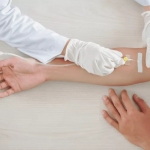
Professional intravenous therapy requires appropriate infection prevention and careful handling of medical equipment. The healthcare professional should perform hand hygiene, prepare the insertion site using suitable clinical procedures, and use sterile equipment as required. Patients and family members should avoid touching the IV catheter, tubing connections, or prepared supplies. The line should not be moved, disconnected, or adjusted by an untrained person. Before treatment begins, patients may ask the professional to explain how the insertion site will be monitored and what symptoms should be reported. The professional should also check that the prescribed solution and administration instructions are correct. Preparing the room is helpful, but patients should leave equipment setup, sterile procedures, and infusion management to qualified personnel.
Understand What Happens During and After the Infusion:
During a professional glucose drip visit, the healthcare provider assesses the patient, administers the prescribed treatment, and monitors the patient's response according to the care plan. Depending on the patient's condition, monitoring may include vital signs, blood glucose checks, observation of the IV site, or other relevant clinical measurements. Patients should promptly report pain, redness, swelling, leakage, dizziness, unusual sweating, palpitations, or any sudden change in how they feel. After the infusion, the professional should provide instructions about IV site care, follow-up, and symptoms requiring further medical attention. Patients should not assume that the infusion will resolve the underlying cause of weakness or dehydration. If symptoms continue or worsen, further assessment may be necessary.
Use a Simple Home Preparation Checklist:
A short checklist can help patients and caregivers prepare without attempting to perform medical tasks themselves. Before the appointment, confirm the treatment plan, organize relevant records, and make the patient's space accessible. The following steps can support a smooth visit:
-
Confirm the appointment and the clinician's treatment instructions.
-
Prepare a clean, well-lit, comfortable area.
-
Keep medication lists, allergy details, and relevant medical records available.
-
Arrange assistance for patients with limited mobility if needed.
-
Keep children, pets, and unnecessary distractions away from the treatment area.
-
Ask questions about monitoring, potential side effects, and aftercare.
-
Keep the healthcare provider's contact details accessible for follow-up.
Recognize When Home Treatment May Not Be Appropriate:
Preparing for a home infusion should never delay urgent medical care when a patient is seriously unwell. Persistent vomiting, markedly reduced urine output, worsening dizziness, or an inability to retain fluids may require prompt assessment. Severe breathlessness, chest pain, collapse, new confusion, difficulty waking, or signs of a serious allergic reaction require emergency assistance. Patients with diabetes who develop severe symptoms related to abnormal blood glucose should follow their emergency care plan and seek urgent help. A glucose drip is not a substitute for investigating the cause of these symptoms, and some patients need hospital-based evaluation or a different treatment. If the patient's condition deteriorates before the scheduled visit, contact an appropriate medical service rather than relying on the appointment alone.
Final Thoughts
Preparing your home for a professional glucose drip service involves more than arranging a comfortable place for treatment. Patients should understand why the infusion is needed, provide accurate medical information, confirm that qualified professionals will administer it, and follow all safety instructions. Glucose Drip at Home in Dubai should only be provided when medically indicated and supported by appropriate monitoring. A clean environment and organized records can help the visit proceed smoothly, but clinical assessment and infection-control procedures remain the responsibility of the healthcare team. By preparing thoughtfully, asking questions, and recognizing warning signs, patients and families can support safer home healthcare while keeping individual medical needs at the center of treatment.