
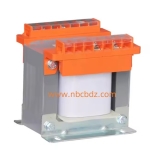

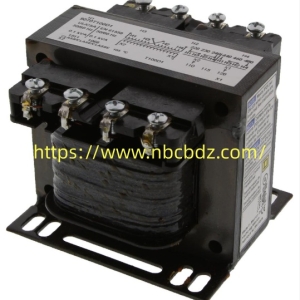


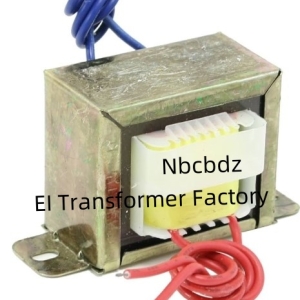
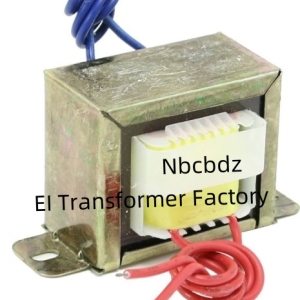
Inside many electrical products, transformers help establish the electrical relationship between a power source and the circuits that depend on it. When evaluating an EI Transformer Factory, buyers should consider how the core structure, winding arrangement, insulation system, connection layout, and manufacturing process work together. These factors influence not only the transformer's electrical role but also its suitability for assembly, servicing, and integration into different types of equipment.
The core is one of the defining elements of an EI transformer. Its E-shaped and I-shaped laminations form a magnetic path around which the windings are arranged. Electrical steel is commonly used for laminated cores because its magnetic properties support transformer operation while helping manage energy losses. The quality of the laminations, their alignment, and the way they are assembled can affect the finished component's consistency and mechanical stability.
Winding construction determines how the transformer transfers energy between its circuits. Copper wire is frequently used because of its electrical conductivity and suitability for coil production. The winding arrangement must correspond with the intended electrical design, while the physical organization of the coils needs to fit the core and available enclosure space. Careful winding practices can support consistent construction and make it easier to protect conductive parts during subsequent assembly.
Insulation materials deserve attention throughout the development process. Coated wire, insulating paper, films, sleeves, and bobbins may be used to separate conductive elements and support the required electrical isolation. Their selection depends on the operating environment, thermal conditions, and applicable safety requirements. Insulation quality is influenced not only by the materials themselves but also by their placement, handling, and compatibility with the complete transformer structure.
Purchasing decisions should begin with the equipment's actual needs. An EI transformer intended for an appliance may have different design priorities from one installed in industrial control equipment, a power supply, or an electronic instrument. Buyers should clarify the transformer's role in the circuit, the expected operating conditions, the connection arrangement, and the available installation space. Supplying circuit diagrams or mechanical drawings can help manufacturers assess whether a standard design is suitable.
Manufacturing compatibility is another consideration. The core, coil assembly, terminal arrangement, and protective components must work together within the planned production process. For equipment manufacturers, a transformer that is easy to position and connect can simplify assembly and reduce avoidable handling. Reviewing mounting methods and terminal accessibility before approving a design can also help prevent conflicts with neighboring components or internal wiring.
The technical operation of an EI transformer is based on electromagnetic induction. Alternating current in the primary winding produces a changing magnetic field in the core, which induces voltage in the secondary winding. The relationship between the windings is determined by the electrical design. In a finished device, transformer behavior is also influenced by the connected circuit and operating conditions, so selection should be based on the complete application rather than the core shape alone.
Mechanical construction can influence noise and vibration. The relationship between core laminations, winding assembly, fastening methods, and the surrounding enclosure may affect how the transformer behaves during operation. In applications where audible sound is noticeable, equipment developers should consider the transformer together with its mounting structure and neighboring components. Appropriate design review and product testing can help determine whether the component suits the intended environment.
Thermal management is closely connected to materials and assembly. Energy losses in the core and windings produce heat, while insulation, ventilation, mounting, and enclosure layout influence how that heat is managed. A transformer installed in a compact electronic device may experience different conditions from one mounted in a more open electrical assembly. Designers should evaluate the complete installation environment rather than treating thermal behavior as a separate component feature.
Quality control should cover the stages that can influence finished-product consistency. Core preparation, winding, insulation placement, terminal connection, assembly, and finishing all require appropriate process management. Inspection may include visual examination, connection checks, electrical continuity, and insulation-related testing, depending on the product and relevant requirements. Buyers can ask suppliers which checks are performed and what documentation is available for product acceptance.
The experience of installation and maintenance personnel also matters. Clearly arranged leads and accessible terminals can make wiring easier to understand, while a stable mounting arrangement helps the transformer remain properly positioned within the equipment. Product identification and clear connection information can support inspection or replacement. These practical features are especially valuable for manufacturers producing equipment that will be serviced throughout its working life.
Design and appearance influence how the transformer fits into the wider product structure. A neatly assembled core, organized winding layout, secure connections, and appropriate protective materials can contribute to a consistent manufacturing finish. Depending on the application, customized terminal positions or mounting features may help the transformer fit a particular enclosure. Such changes should be evaluated alongside electrical requirements and production feasibility to avoid creating conflicts during assembly.
Ningbo Chuangbiao Electronic Technology Co., Ltd. manufactures transformer-related products for electrical and electronic applications. For projects involving EI transformer selection or customization, buyers can provide circuit information, installation drawings, connection requirements, and relevant inspection expectations to support a focused discussion with the supplier. Further information about the company's transformer products and related manufacturing services is available at https://www.nbcbdz.com/product/.