
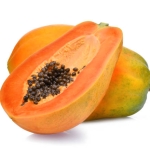





Papaya Market innovation involves more than developing new products; it also includes improving the way fruit is cultivated, handled, transported, and presented to consumers. Papaya suppliers operate across agricultural and commercial environments where product freshness, consistent quality, and timely delivery are important. Growers must respond to changing field conditions, while distributors work to preserve fruit quality as products move between locations. Retailers also need packaging and merchandising approaches that protect produce and make it appealing to shoppers. Practical innovation across these activities can help businesses strengthen their operations and respond to evolving market requirements.
Developments in papaya cultivation and supply chain practices can support a more coordinated approach to fruit production and distribution. Farm-level planning, suitable harvesting methods, effective sorting, and improved communication between suppliers can help reduce operational problems. Innovation does not always require expensive equipment or complex technology. In some situations, better staff training, clearer quality standards, and more organized delivery schedules can produce meaningful improvements. Businesses can assess their existing processes to identify avoidable delays, product damage, and information gaps before deciding which improvements are most appropriate.
At the cultivation stage, growers can explore farming methods that improve crop monitoring and resource management. Regular observation of plant health, soil conditions, water availability, and pest activity can help farmers make more informed production decisions. Digital tools may assist with recording field activities and tracking changes over time, but their usefulness depends on cost, accessibility, and ease of use. Farmers should select methods that suit local growing conditions and available resources. Practical training and access to agricultural guidance are also important for ensuring that new techniques can be implemented consistently rather than remaining isolated experiments.
Harvesting and post-harvest handling provide further opportunities for process improvement. Papayas require suitable treatment because rough handling can lead to bruising and reduce their market appeal. Careful picking, appropriate containers, sorting procedures, and organized movement through packing facilities can help protect fruit quality. Businesses can review how frequently products are handled and whether packaging adequately protects them during transportation. Staff training can reinforce consistent practices across different teams. By examining the journey from harvesting to delivery, suppliers may identify opportunities to reduce waste, improve product presentation, and deliver fruit in a condition that better meets buyer requirements.
Packaging innovation should balance product protection, practicality, cost, and customer expectations. Papaya packaging may need to accommodate differences in fruit size, maturity, transport duration, and sales channel. Retail packaging must also be easy to handle and display, while bulk packaging needs to support efficient movement and storage. Businesses can evaluate materials and designs that help reduce physical damage without creating unnecessary expense or waste. Packaging decisions should consider the actual distribution environment rather than appearance alone. Working with retailers and logistics providers can help suppliers determine which formats are most suitable for their operational needs.
Distribution technology and improved information sharing can make papaya supply chains easier to manage. Inventory records, digital orders, delivery schedules, and product tracking can help businesses coordinate activities between farms, warehouses, wholesalers, and retailers. Better visibility may support more accurate purchasing decisions and help identify delays before they become major problems. However, systems should be selected according to business size, workforce skills, connectivity, and budget. Smaller suppliers may benefit from simple digital records before investing in more advanced platforms. The objective is to improve communication and reliability, not to adopt technology without a clear operational purpose.
Product innovation can also help papaya reach different customer groups. Fresh fruit remains important, but the fruit can be used in beverages, desserts, prepared fruit offerings, and other food applications. Food manufacturers and food-service businesses may explore formats that suit their customers, provided they maintain appropriate quality and safety controls. Product development should consider flavor, texture, storage requirements, packaging, and consumer acceptance. Businesses can gather feedback before expanding production or distribution. By combining a clear understanding of the target audience with careful product testing, companies can assess whether a new format offers practical commercial potential.
The future of the Papaya Market will depend partly on how effectively businesses turn useful ideas into consistent operating practices. Growers can improve crop monitoring and harvesting, packhouses can strengthen handling procedures, and distributors can refine inventory and delivery coordination. Retailers can contribute by sharing quality feedback and communicating changing customer needs. Innovation will look different across regions because infrastructure, growing conditions, and commercial resources vary. Businesses that identify specific problems, test suitable solutions, and evaluate their results can build a more practical improvement strategy while supporting dependable papaya quality throughout the supply chain.
FAQs
How can technology support papaya farming?
It can help monitor crops, record field activities, and support resource planning.
Why is papaya packaging important?
Suitable packaging helps protect fruit and supports efficient transportation.
Where can papaya product innovation occur?
It can occur in cultivation, handling, distribution, retail presentation, and food processing.