
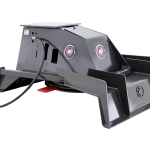


Ask any land manager what their biggest headache is going into fall and you’ll hear about the same thing, overgrown ground and nobody available to deal with it. Crews are booked out for weeks. Quotes keep climbing. And the work still has to get done, because brush doesn’t wait around for your schedule.
So a lot of folks are doing something different. They’re skipping the outside crew and running a mini excavator brush cutter themselves, on a machine they already own or can pick up without much fuss. It sounds like a big shift, but honestly it’s not that complicated once you see how it plays out on an actual job. The excavator’s boom gives you reach, the cutter head does the chewing, and you can work slopes, ditch lines and tight corners without dragging a bigger rig out there.
The Real Cost of Hiring Out Clearing Work
Here’s the thing nobody likes to say out loud. Contracting out brush work isn’t cheap, and it’s rarely a one-time expense. You pay for the crew, the travel, the machine time, sometimes a minimum day rate even if the job only takes half of it. Then next year it grows back and you’re calling again.
For a farm operator with fence lines to keep clear, or a municipal crew managing roadside right-of-ways, those bills stack up fast. Same for landscapers who clear lots a few times a month. When you’re basically renting the same service over and over, owning the tool starts making sense, even if the upfront number feels bigger than a single invoice.
Why a Mini Excavator Works So Well for This
A mini excavator isn’t just a digging machine. The long arm and the ability to swing and angle the head means you can reach down embankments, cut along creek edges, or get into spots where a skid steer or tractor would struggle to even park. Tracked machines also sit steady on uneven ground, which matters a lot when you’re working a slope and don’t want to white-knuckle it for six hours.
And it’s compact. Narrow gates, tight trails, backyards with limited access, that’s where these machines get hired in the first place. Pair that with a cutter head and you’ve got a clearing setup that fits places the big contractors skip over, or charge extra for.
Who’s Actually Doing This
It’s not just one type of buyer, which is kind of interesting. Contractors use it for site prep before a build, knocking down brush so the surveyors and grading guys can get in. Farmers run them on fence rows, pond banks, and those back acres that never quite get mowed. Landscapers pick them up for lot clearing and overgrown property cleanups, where the money is good but only if you can finish fast.
Government and municipal buyers are in on it too, mostly for roadsides, drainage ditches and utility corridors. Budgets there are tight and procurement is slow, so having your own equipment beats waiting on a contract cycle. Then you’ve got regular equipment owners, folks with acreage and a mini excavator sitting in the barn, who realize they can turn it into a land clearing machine for a lot less than buying a dedicated mulcher.
Picking the Right Setup, and Not Overbuying
Matching matters more than people think. Your excavator’s hydraulic flow and pressure need to line up with what the cutter asks for, otherwise it bogs down or you burn through hoses and seals way sooner than you should. A standard flow unit works fine for most mini excavators, you don’t always need a high flow monster.
Check the cutting width against your typical jobs too. Bigger isn’t automatically better when you’re working narrow trails. And look at blade and rotor construction, because brush with a bit of rock and dirt mixed in will chew up cheap cutters quick. Spartan Equipment builds their cutters for this kind of everyday abuse, so you’re not babying the thing every time you hit something harder than a sapling.
Running It Safely and Getting the Most Out of It
Don’t skip the basics. Clear obvious rocks and metal first if you can, keep bystanders well back since debris can fly, and cut in controlled passes instead of trying to swallow everything in one go. Working top down on slopes helps, and letting the machine do the work instead of forcing it saves wear on both the cutter and the hydraulics.
Keep an eye on your blades. A dull cutter leaves ragged stumps and makes your machine work harder than it should. Quick check before each job, sharpen or swap when needed, and it’ll run a lot longer.
Does the Math Actually Work Out?
Usually, yeah, if you’ve got recurring clearing work. One season of avoided contractor bills can cover a good chunk of the attachment cost, and after that it’s mostly fuel and maintenance. Even for occasional users, the flexibility of doing the work when you want, not when a crew’s available, has real value that doesn’t show up on a spreadsheet.
A good mini excavator attachment also isn’t a one-trick purchase. The same machine that clears brush can dig, trench and move material the next day, so you’re spreading the investment across a lot more jobs.
Wrapping It Up
Land managers aren’t ditching crews because they’re stubborn or trying to cut corners, it’s more that the numbers and the timing finally make sense for doing it in-house. A mini excavator brush cutter gives you reach, control and the ability to work when the job needs it, not weeks later. For anyone who clears land regularly, picking up the right mini excavator attachment is a pretty straightforward way to stop renting someone else’s schedule.
If you’ve been thinking about it, now’s a decent time. Spartan Equipment is running 25% OFF SITEWIDE with code DIESEL25 this October, so it’s worth a look before the winter rush kicks in.